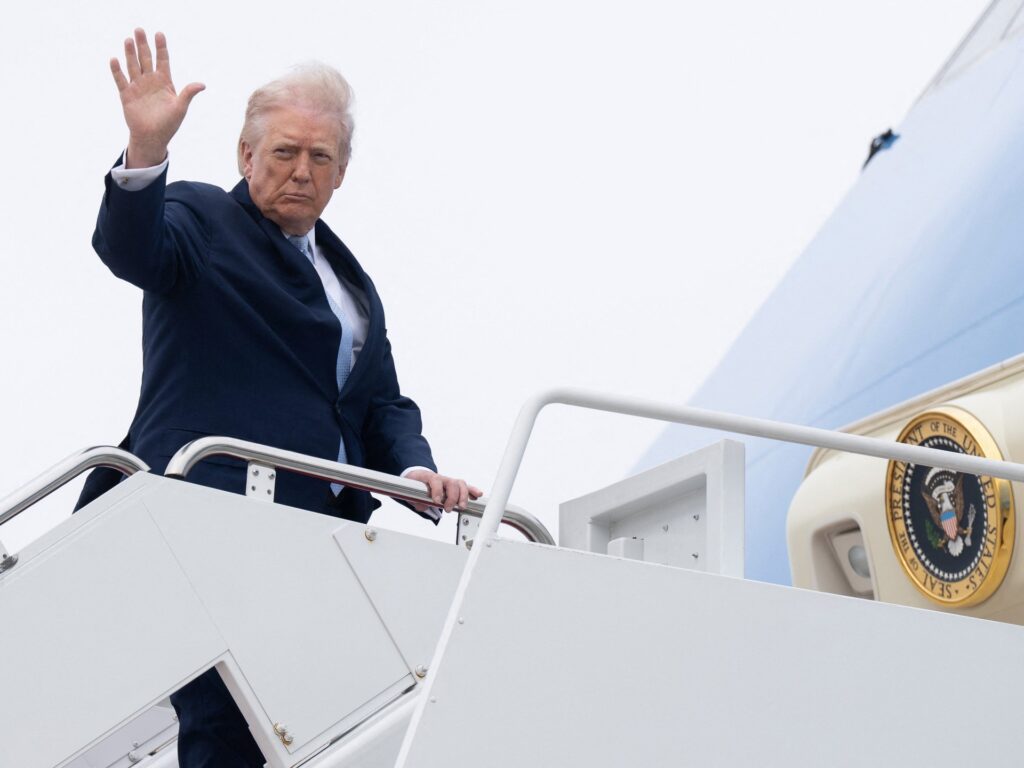
In a recent development amidst the ongoing Homeland Security shutdown, US President Donald Trump has issued a stern threat to deploy Immigration and Customs Enforcement (ICE) agents to airports across the country. This move is part of Trump’s broader strategy to enforce immigration laws more rigorously during the governmental impasse.
The president specifically called for immigration agents to place a “heavy emphasis” on the arrests of Somali immigrants. This statement has stirred significant controversy and concern among immigration advocacy groups and civil rights organizations, who argue that such targeted enforcement could lead to racial profiling and civil liberties violations.
The Homeland Security shutdown has created a complex and challenging environment for immigration enforcement agencies. The lack of funding and operational capacity has hampered the ability of agencies like ICE and Customs and Border Protection (CBP) to carry out their duties effectively. Despite these hurdles, President Trump’s directive signals a prioritization of immigration enforcement even in the face of budgetary constraints.
Deploying ICE agents at airports would drastically increase the scrutiny of travelers, particularly those entering or exiting the United States. Airports have traditionally been focal points for immigration enforcement, but ramping up ICE presence could lead to longer wait times, increased detentions, and heightened tension among travelers.
Advocates for immigrant communities have condemned the president’s call for targeted arrests of Somali immigrants, highlighting the risks of discrimination and the negative impact on community trust. Somalis represent a vulnerable group, many of whom are refugees or have asylum status, and this targeted approach could undermine the values of refuge and protection that the US seeks to uphold.
The political context of the Homeland Security shutdown surrounds broader debates over border security, immigration policy, and government funding. The shutdown has led to a partial halt in various government services, with immigration enforcement being one of the critical areas affected.
Critics argue that the president’s approach politicizes immigration enforcement, using it as leverage in budget negotiations and to send a message to his political base. Proponents, on the other hand, praise the tough stance on immigration, claiming it is necessary for national security and the rule of law.
Experts warn that increasing ICE operations at airports without adequate resources could further strain an already overburdened system. The shutdown has reduced staffing levels, slowed processing times for detention and deportation, and complicated coordination with local law enforcement.
In response to the threat of deploying ICE agents more aggressively, some airports and local governments have signaled resistance, citing concerns about the disruption to services and possible violations of rights.
As the shutdown continues, the unfolding situation raises critical questions about the balance between security and civil rights, the impact of political brinkmanship on governance, and the treatment of immigrant communities in the United States.
The deployment of ICE agents to airports, particularly with a focus on Somali immigrants, represents a notable escalation in immigration enforcement strategy during a period of government gridlock. Observers are closely watching how this will affect immigration policies, airport operations, and community relations in the coming weeks.