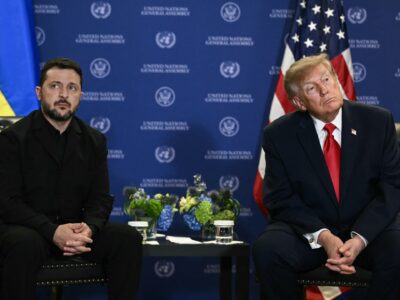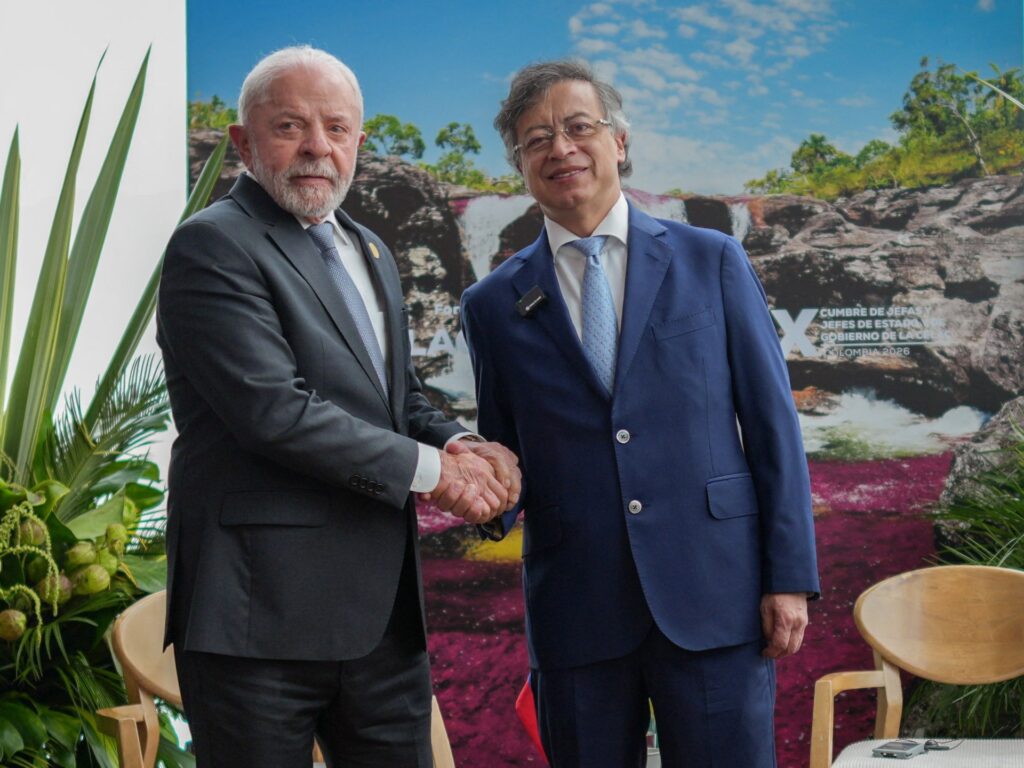
Brazilian President Luiz Inácio Lula da Silva has issued a stern warning against what he perceives as foreign interference in Latin America, a region historically fraught with external influence and intervention. In recent remarks, Lula criticized the actions of the United States in the region, highlighting the ongoing struggle of Latin American countries to maintain sovereignty in the face of foreign powers seeking to impose their will. Although he did not directly mention former US President Donald Trump, Lula’s comments are widely seen as a critique of past US policies under Trump’s administration.
Lula’s statement, “They want to colonise us,” reflects deep-seated concerns about the intentions behind foreign policies targeting Latin America, suggesting that external governments aim to exert control similar to historical colonialism. This perspective resonates with many in the region who view US involvement as a continuation of a long history of political and economic domination.
As a left-wing leader, Lula has positioned himself as a staunch defender of Latin American autonomy. His presidency marks a return to leftist policies that emphasize social justice, economic independence, and regional solidarity. Such an approach often contrasts with the neoliberal policies supported by traditional Western powers.
Throughout his career, Lula has been vocal about the need for Latin America to forge its own path without undue influence from global superpowers. His administration has sought closer ties with other Latin American nations, promoting cooperation through regional blocs such as MERCOSUR and CELAC. These alliances aim to strengthen the political and economic resilience of member states against external pressures.
The president’s comments must be understood within the broader geopolitical context. The United States has historically played a dominant role in Latin America, often intervening directly or indirectly in the internal affairs of countries to protect its interests. From the Cold War era interventions to economic strategies and diplomatic pressure, US actions have left a complex legacy.
In recent years, Latin America has witnessed a resurgence of leftist governments, which challenge traditional US influence and advocate for more autonomous development strategies. Lula’s warning thus signals a continuing tension between these forces and foreign actors seeking to maintain or expand their influence.
Brazil, as the largest country in Latin America, plays a critical role in shaping regional dynamics. Lula’s administration is expected to push for policies that prioritize Brazilian and Latin American sovereignty, economic diversification, and partnerships with emerging global powers such as China and Russia.
Critics of Lula argue that his rhetoric may inflame nationalist sentiments and complicate diplomatic relations. However, supporters see his stance as a necessary defense of Latin American dignity and a rejection of neocolonial tendencies.
As Brazil navigates its role on the world stage, the message from its president is clear: Latin America must be free from external domination and chart its own future based on the interests of its people. This call for independence resonates deeply across the continent and highlights the ongoing struggle of nations to assert their sovereignty in a complex global order.