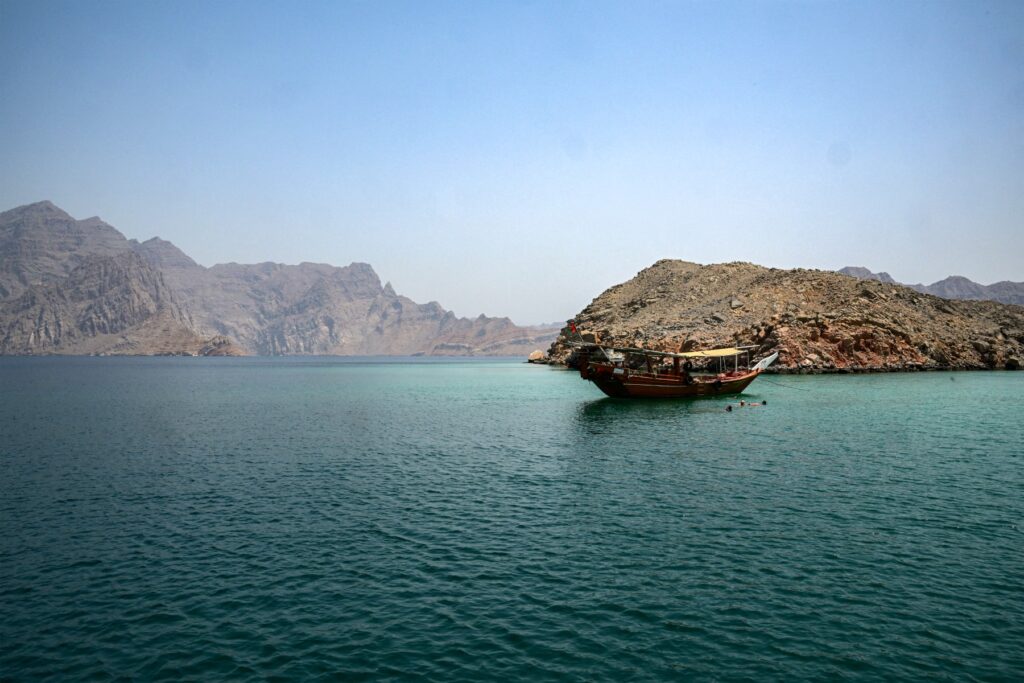
A dhow sails in the waters of the Strait of Hormuz off Khasab in Omans northern Musandam peninsula on June 25, 2025. (Photo by Giuseppe CACACE / AFP)
Iran has announced that it will permit Japanese ships to transit the strategically vital Strait of Hormuz, a major chokepoint through which a significant portion of the world’s oil supply passes. This decision carries considerable geopolitical and economic implications, especially for Japan, which relies heavily on this route for its energy needs.
The Strait of Hormuz is critically important as it serves as the transit corridor for a large share of the global oil trade. More than 20% of the world’s petroleum passes through this narrow waterway, linking the oil-rich Middle East with global markets. For Japan, the Strait is particularly significant because the country imports approximately 90% of its crude oil from Middle Eastern producers. This dependence makes Japan sensitive to any disruptions in the shipping lanes of the Strait.
Iran’s announcement comes amid ongoing regional tensions and heightened scrutiny of maritime security in the Persian Gulf. Tehran’s move to allow Japanese vessels safe passage could be viewed as a diplomatic gesture to maintain stable energy supplies and reassure Japan of uninterrupted access to its crude oil imports. It also highlights Iran’s strategic leverage over energy transit routes and its role in global energy security.
Japan’s energy security is a major national concern since its economy is heavily reliant on imported fossil fuels due to limited domestic resources. Maintaining open and safe shipping lanes through the Strait of Hormuz ensures steady energy supplies and helps stabilize the Japanese economy. Disruptions due to geopolitical conflicts in the region have the potential to cause spikes in global oil prices and economic uncertainty.
The decision by Iran may reduce the risk of conflict escalation affecting Japanese vessels and could create a framework for enhanced maritime cooperation between Tokyo and Tehran. It is also likely to have broader implications for international naval presence and diplomacy in the Persian Gulf region.
While Iran’s statement is a positive signal for safe transit, the broader context remains complex. The Strait of Hormuz has been the site of previous confrontations involving various international actors, and tensions could still flare up amidst shifting geopolitical alliances and sanctions regimes.
Japan will likely continue to closely monitor the situation and work through diplomatic channels to ensure continued security of its energy shipments. The country’s deep economic ties to the Middle East, combined with Iran’s strategic position at the Strait of Hormuz, underscore the importance of this waterway for global trade and energy markets.
In summary, Iran allowing Japanese ships to transit the Strait of Hormuz marks a significant development in safeguarding key maritime routes for energy exports. It reflects the intertwined nature of regional security, international diplomacy, and global energy demands. Both Iran and Japan stand to benefit from stable passage through one of the world’s most crucial oil transit chokepoints, impacting economic stability and geopolitical relations far beyond the region.