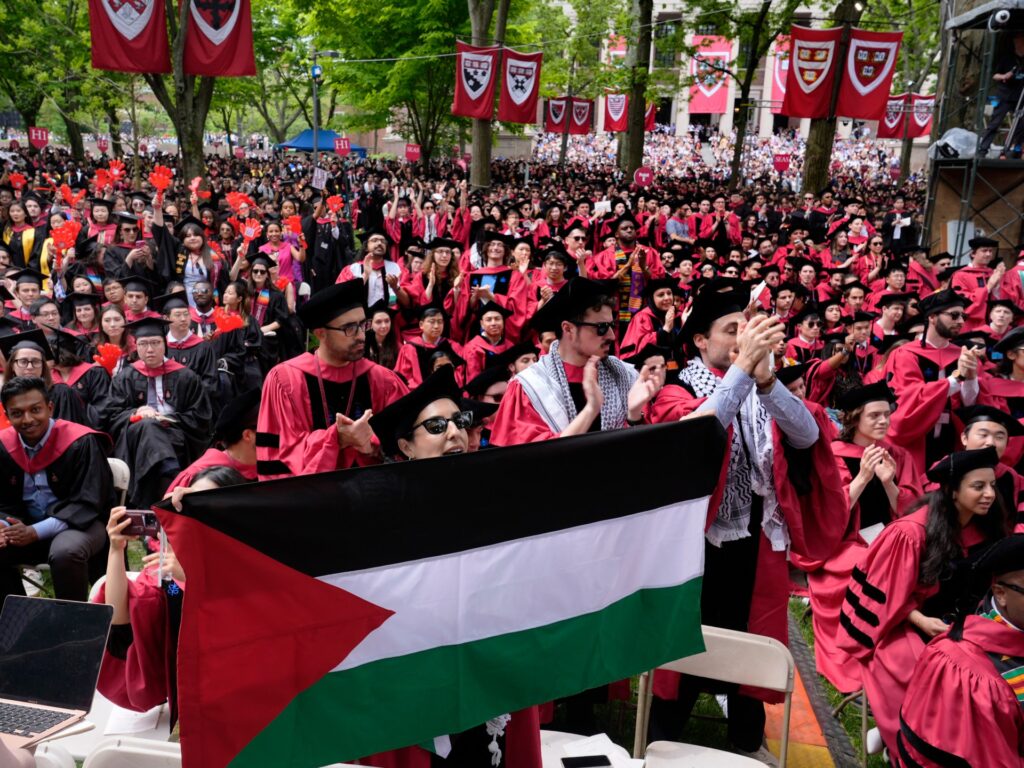
In a high-profile legal confrontation, the Trump administration has initiated a lawsuit seeking billions of dollars from Harvard University, alleging significant anti-Semitism on the institution’s campus. This action forms part of a broader federal initiative aimed at addressing perceived discriminatory practices and fostering accountability among elite educational institutions.
Harvard University has firmly rejected the complaint, labeling it as “another pretextual and retaliatory action” orchestrated by the Trump White House. University officials argue that the lawsuit lacks substantive basis and is politically motivated, diverting attention from genuine efforts to combat discrimination.
The lawsuit asserts that Harvard has allowed an environment that tolerates or even promotes anti-Semitic sentiments, which allegedly affects Jewish students’ rights and their campus experiences. The administration claims that this conduct warrants significant financial penalties and strict federal oversight to ensure compliance with anti-discrimination laws.
Legal experts note that the case could set an important precedent, not only for Harvard but for higher education institutions nationwide, especially on how alleged discrimination based on religion is addressed. They highlight the complexity of proving institutional bias and the legal thresholds required for such claims.
The Trump administration’s actions have drawn both support and criticism from various sectors. Advocates argue the move is necessary to uphold civil rights and protect marginalized groups, while critics view it as politicizing legal complaints and potentially undermining academic freedom.
This controversy unfolds amid ongoing national debates about campus free speech, diversity, and inclusion. Harvard, known for its commitment to diversity initiatives and robust anti-discrimination policies, is now under intense scrutiny.
The lawsuit is expected to prompt vigorous legal battles, with implications that could affect university policies, federal involvement in education, and the future framework for addressing anti-Semitism and other forms of discrimination in academic settings.
As this case progresses, stakeholders from the education sector, civil rights groups, and political entities will be watching closely to see how the courts navigate these complex issues. The outcome may redefine how anti-Semitism and discrimination are handled in universities across the United States, potentially leading to reforms in institutional practices and legal standards.
Harvard continues to maintain that it is committed to fostering an inclusive environment and will vigorously defend itself against what it considers unfounded allegations. The university has stated it will remain transparent and cooperative in any investigations but stands firm against what it perceives as politically charged litigation.
The trial’s developments and final resolutions will likely resonate beyond Harvard, influencing public discourse on anti-Semitism, social justice, and the role of government in regulating educational institutions.