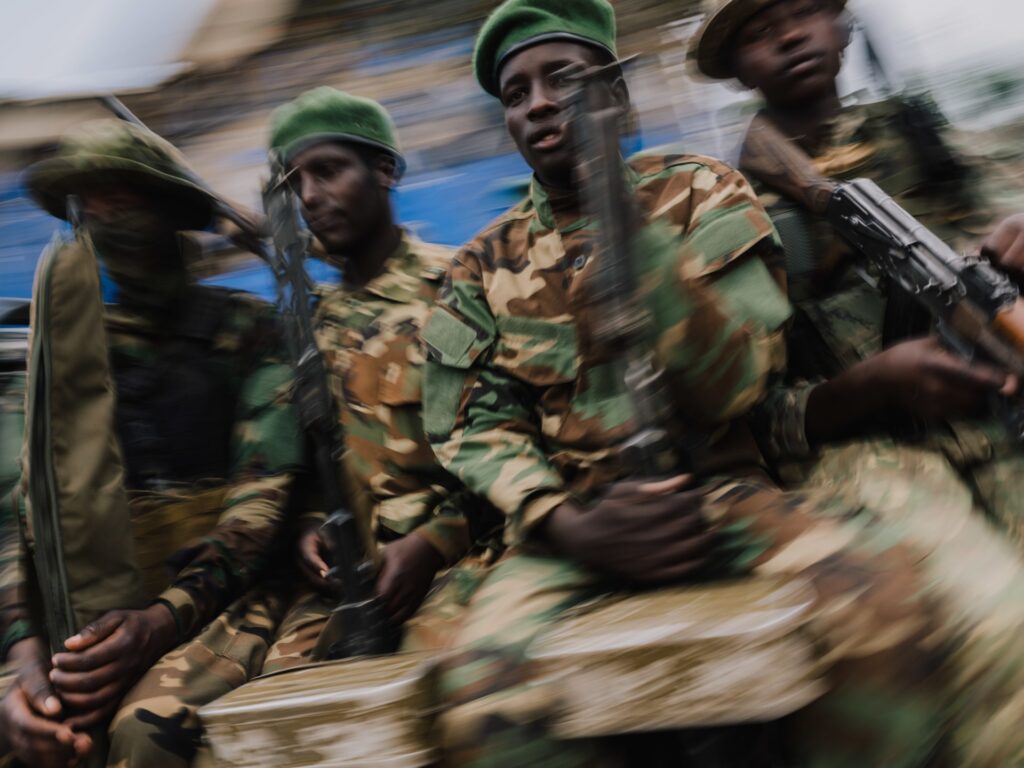
The United States has imposed sanctions on the Rwandan army and several top officials over allegations of supporting the M23 rebel group operating in the Democratic Republic of Congo (DRC). This move has sparked contrasting reactions from Kinshasa and Kigali, with the former welcoming the sanctions and the latter condemning them as unjust.
The sanctions target key individuals and entities linked to the Rwandan military, accusing them of providing support to the M23 militia, which has been involved in ongoing conflicts in the eastern region of the DRC. The M23 group, known for its insurgent activities, has been implicated in destabilizing efforts and human rights abuses in the area.
Kinshasa, the capital of the DRC, expressed approval of the U.S. sanctions, viewing them as a necessary step to curb external interference that fuels the conflict and exacerbates insecurity. Officials in the DRC government have long accused Rwanda of backing rebel groups to exert influence over the mineral-rich eastern provinces.
In contrast, Kigali, Rwanda’s capital, criticized the U.S. decision, labeling the move as unjust and unfairly targeting Rwanda. The Rwandan government denied any involvement in supporting the M23 militia, calling the sanctions a mischaracterization of its role in the region.
The United States has been vocal in its concern over the volatile situation in eastern DRC, emphasizing the need for peace and stability. The sanctions aim to pressure those believed to be obstructing peace efforts by sustaining rebel groups that terrorize local populations.
The conflict in eastern DRC has caused significant humanitarian crises, including displacement of civilians, human rights violations, and economic disruption. Multiple attempts at peace negotiations have struggled to achieve lasting solutions, often hindered by external influences and internal divisions.
The U.S. Treasury Department has outlined specific individuals and military entities subject to asset freezes and travel bans. These measures intend to limit their operational capabilities and send a strong message against support for armed groups like M23.
International bodies and regional governments have been urged to remain vigilant and support efforts to restore stability in the DRC. The sanctions are expected to influence diplomatic engagements and may prompt renewed negotiations or recalibrations of foreign policy in the region.
While Kigali maintains its innocence, the sanctions underscore rising international pressure on Rwanda to clarify its position and contribute constructively to peace processes. Meanwhile, Kinshasa views this as validation of its longstanding allegations and a step forward in combating rebel insurgencies.
The dynamics between the United States, Rwanda, and the DRC highlight the complexities of regional security in Central Africa. With vested interests and historical tensions, achieving sustainable peace requires collaborative efforts addressing underlying political, economic, and social issues.
The situation remains fluid, with potential implications for regional stability and international relations. Continued monitoring and engagement by the global community are anticipated as the sanctions come into effect and their impact unfolds.
This development marks a significant moment in international diplomacy concerning Central Africa, reflecting broader challenges of addressing conflict involving state and non-state actors. The coming months will be crucial in determining whether these sanctions contribute to de-escalation or further tension in the region.