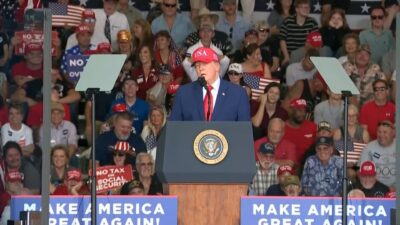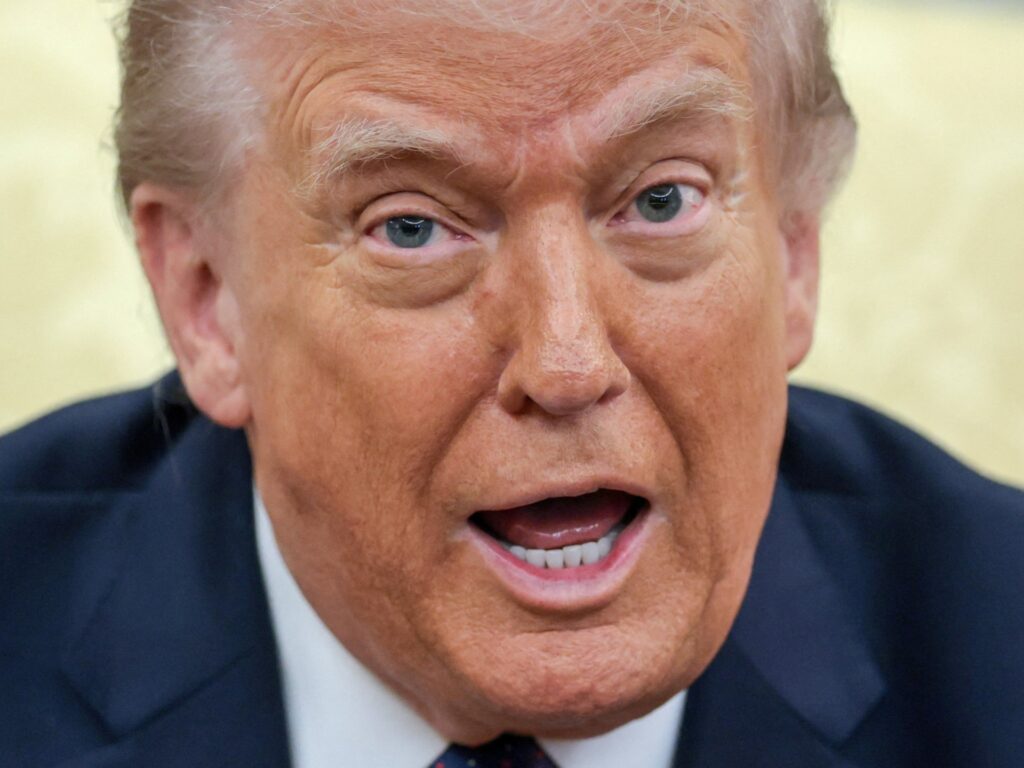
In a recent and unexpected statement from the Oval Office, former President Donald Trump announced his intention to cut off all trade with Spain. During a heated tirade, Trump targeted the country specifically, expressing strong discontent with Spain and signaling a significant shift in trade policy should he regain influence or office.
The announcement came as a surprise to many, given the longstanding trade relations between the United States and Spain, which have been mutually beneficial for decades. The specifics motivating Trump’s strong stance have not been fully detailed in his remarks, leaving observers and international trade experts speculating on the potential causes behind this abrupt declaration.
Trade between the U.S. and Spain encompasses a wide range of goods and services, including agricultural products, machinery, automobiles, and technology sectors. Spain, as a member of the European Union, also plays an important role in broader U.S.-EU trade relationships.
Analysts are concerned about the possible economic repercussions if such a trade embargo were to be implemented. This move could disrupt supply chains, impact business operations on both sides, and potentially escalate tensions between the two countries.
President Trump’s comments came during a broader discussion on international trade and economic policies, where he has often advocated for more stringent trade measures and renegotiations of existing deals to favor American interests.
The Spanish government has yet to officially respond to Trump’s statements. However, diplomatic sources suggest that Spain may seek clarification and possibly engage in dialogue to avoid escalation.
Economic experts emphasize that cutting off trade is a drastic measure that could lead to retaliation, harming sectors in both economies. The move would likely require Congressional approval and face significant legal and procedural hurdles.
This announcement marks one of the most direct and confrontational trade positions taken by Trump in recent times, showcasing his ongoing approach to reshaping U.S. foreign economic policy.
The global community is watching closely, as this development could set precedent for future trade relations between the U.S. and other countries, particularly within Europe.
As details remain sparse, businesses involved in import and export between the U.S. and Spain are advised to monitor the situation and prepare for potential changes in trade regulations.
This episode underscores the volatile nature of international trade politics and the influence individual political leaders can have on global economic landscapes.