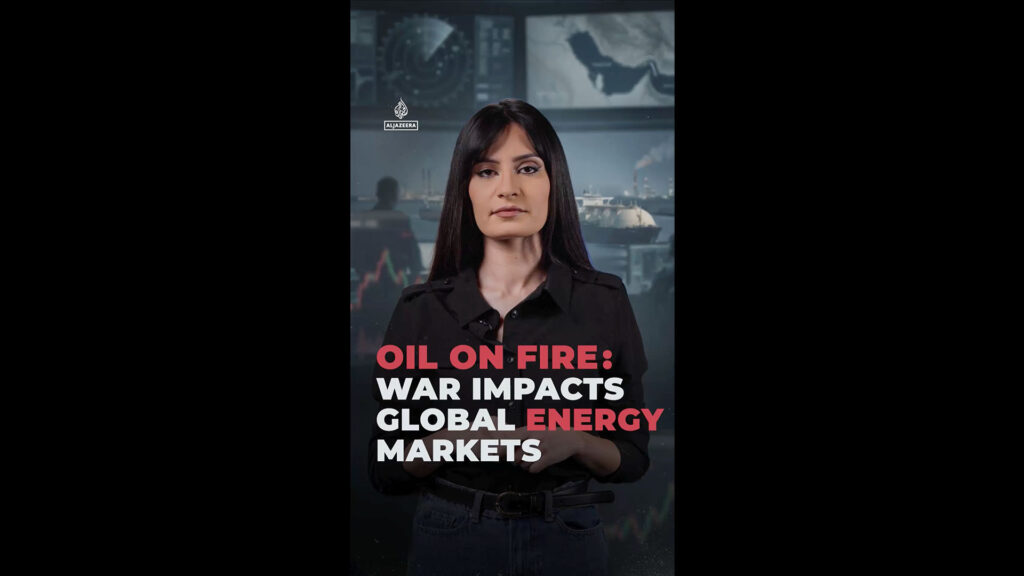
The ongoing conflict in the Middle East has sent shockwaves through global energy markets, significantly impacting oil and gas prices worldwide. Attacks on key energy facilities and the strategic blockade of the Strait of Hormuz by Iran have created a volatile environment, raising concerns about the stability of energy supplies and the potential for prolonged disruptions.
The Strait of Hormuz, a critical chokepoint through which approximately 20% of the world’s petroleum passes, has become a focal point in the escalating tensions. Iran’s blockade of this narrow waterway has led to fears of supply shortages, pushing crude oil prices upward as traders anticipate restricted flow of energy resources.
In addition to the geopolitical strife, targeted attacks on oil refineries and gas processing plants in the region have further exacerbated the situation. These attacks have not only damaged vital infrastructure but also caused operational shutdowns, reducing the global output of oil and natural gas. Consequently, the supply-demand balance is being disrupted, contributing to price volatility.
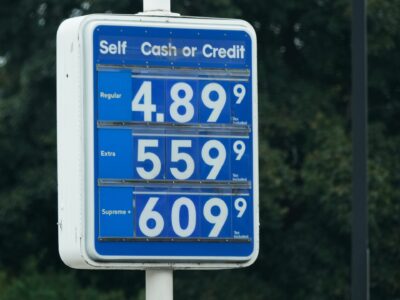
Global economies are feeling the impact of rising energy costs. Higher oil and gas prices translate into increased production expenses for manufacturers and higher transportation costs, which often trickle down to consumers through increased prices for goods and services. Inflationary pressures may rise as a result, complicating recovery efforts in economies still struggling from the aftermath of the COVID-19 pandemic.
Energy-importing countries are particularly vulnerable, facing the dual challenge of securing sufficient supplies while managing the economic strain of higher energy expenditures. Some nations are seeking alternative energy sources or accelerating their transition to renewable energy to reduce dependence on volatile fossil fuel markets.
Meanwhile, energy-exporting countries stand to benefit from higher prices, although prolonged instability could deter investment and disrupt long-term production plans. International bodies and energy organizations are closely monitoring the situation, urging all parties to seek a peaceful resolution to avoid further market destabilization.
The conflict’s implications highlight the interdependence of geopolitical stability and energy security. With global energy demand expected to rise in the coming years, ensuring safe and uninterrupted access to energy supplies is critical for economic stability and growth worldwide.
In summary, the war-driven attacks on energy facilities and Iran’s blockade of the Strait of Hormuz are causing global energy prices to surge, imposing complex challenges for both producers and consumers. The international community is called upon to address these issues diplomatically to stabilize markets and secure energy futures.