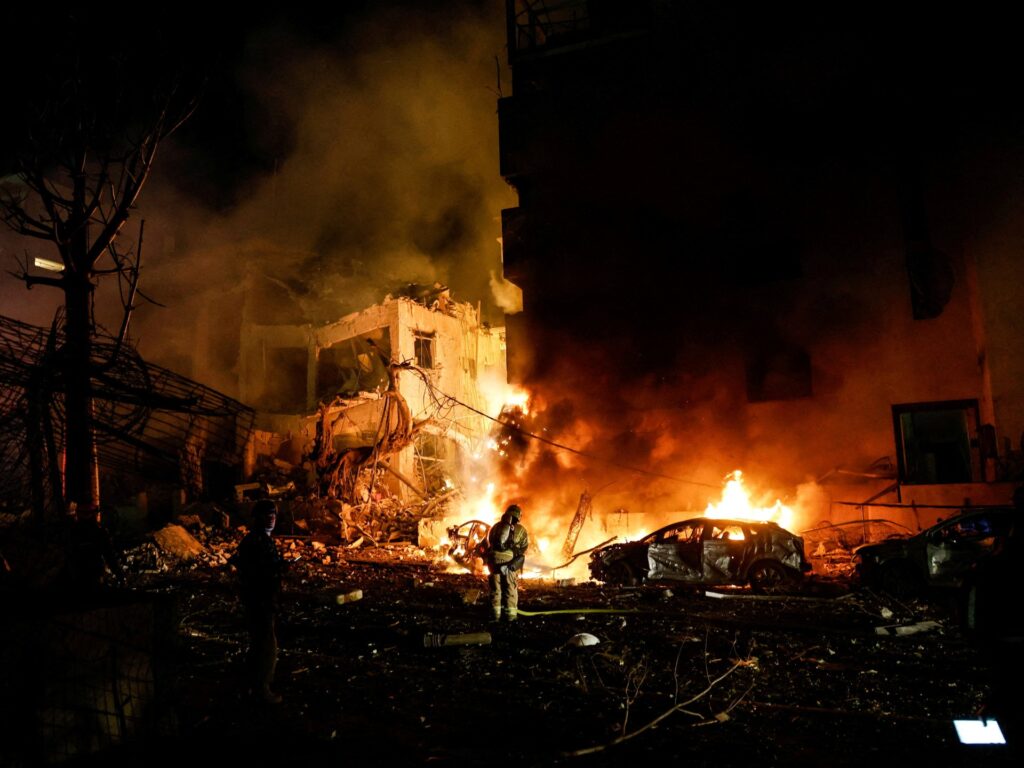
As the conflict in the Middle East intensifies, Israel’s strategic objective concerning Iran has become increasingly evident: regime change. The ongoing bombing campaigns underscore a broader intent beyond immediate military goals. Israel’s leadership perceives Iran’s current regime as an existential threat that must be dismantled to secure regional stability and national security.
The military actions targeting Iranian interests are indicative of a calculated effort to weaken the regime’s power structures and inhibit its operational capabilities. By striking critical infrastructure and strategic locations tied to Iran’s military and intelligence apparatus, Israel aims to destabilize the ruling establishment.
Interestingly, Israel’s approach appears less concerned with how this transition unfolds. The primary focus is the removal of the regime itself rather than ensuring a peaceful or orderly transformation. This stance suggests a willingness to accept potential instability and uncertainty in the aftermath of regime change, as long as the perceived threat from Iran is neutralized.
The context of this strategy is rooted in longstanding tensions between the two nations. Iran’s support for proxy groups, missile development programs, and nuclear ambitions have been persistent sources of conflict with Israel. In this light, regime change is viewed as a necessary step to curtail these activities and shift the balance of power.
However, the risks associated with such a policy are significant. A destabilized Iran could lead to chaos within the region, potentially creating a power vacuum that extremist groups might exploit. The international community remains divided on this approach, with some nations urging caution and diplomatic engagement to avoid escalating violence.
Despite these concerns, Israel’s determination reflects its prioritization of self-defense and regional dominance. Historical precedents show that Israel has acted decisively when facing threats perceived as existential, and the campaign against Iran is no exception.
The broader implications of this conflict extend beyond military objectives. Regional allies and global powers will be closely watching developments, judging how Israel manages the aftermath of potential regime change and the impact on geopolitical stability.
In summary, Israel’s war aim in Iran has crystallized around the concept of regime change. The ongoing bombing campaigns are tactical maneuvers within this larger strategic framework. Yet, Israel’s apparent indifference to the nature of the transition highlights the complexities and uncertainties that lie ahead for Iran and the region as a whole. Ultimately, the pursuit of regime change underscores the high-stakes diplomatic and military contest unfolding in one of the world’s most volatile regions.