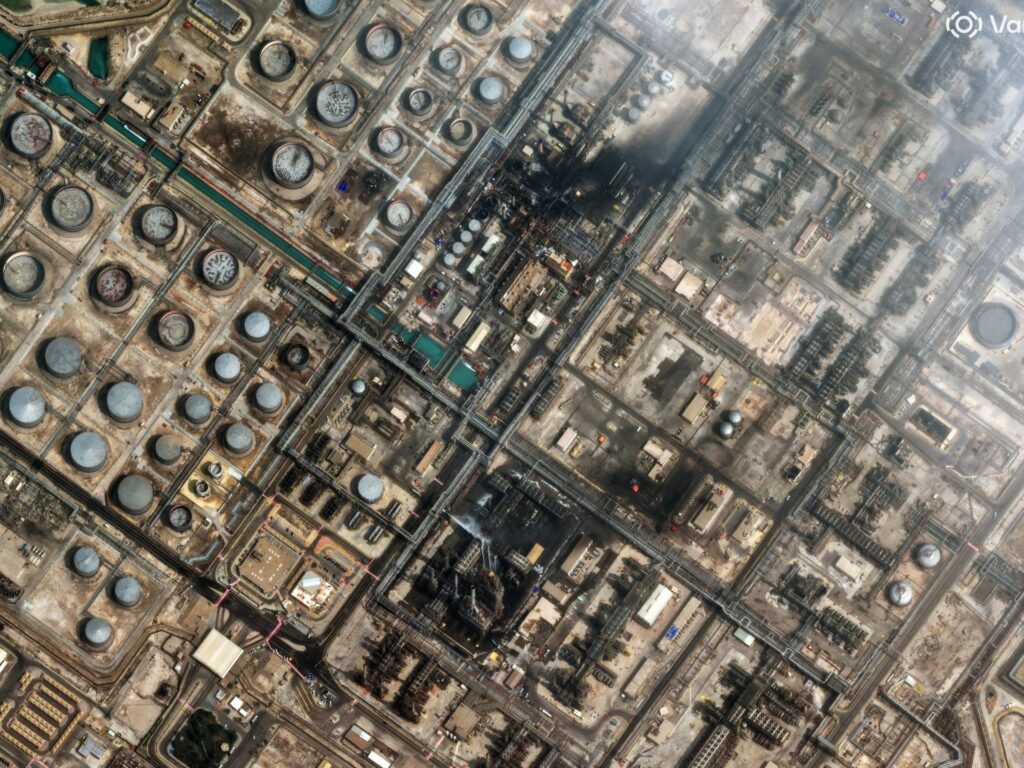
On the fourth day of US and Israeli military actions targeting Iran, tensions in the Middle East have dramatically increased. Washington has warned that “harder hits” are expected as the conflict escalates. This intensification follows a series of coordinated air and missile strikes aimed at strategic locations within Iran, purportedly to curb Tehran’s influence and its nuclear ambitions.
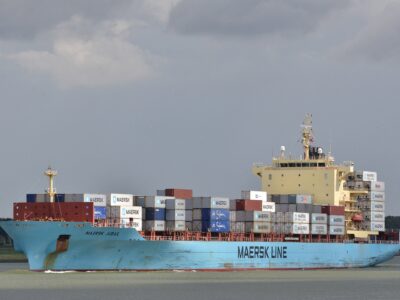
Iran has responded fiercely, with Tehran announcing the closure of the strategic Strait of Hormuz. This waterway is a critical chokepoint through which approximately 20% of the world’s oil supply passes, making its closure a significant move with far-reaching economic and geopolitical consequences.
The closure of the Strait has already triggered instability in global oil markets, with prices surging amid fears of disrupted fuel shipments. Regional countries and international powers are closely monitoring the situation, with concerns mounting over potential wider military confrontations.
The US administration has signaled that the ongoing and forthcoming operations aim to deliver more significant blows to Iran’s military capabilities, particularly its missile systems and nuclear infrastructure, in an effort to diminish Tehran’s regional influence and nuclear threat.
Meanwhile, Israeli authorities have expressed solidarity with US efforts, asserting the necessity of dismantling Iran’s expanding role in supporting militant groups across the Middle East. Israel’s involvement underscores the strategic alliance between the two nations amid escalating conflict.
Iran’s retaliation by closing the Strait of Hormuz is seen as a strategic move to leverage its geographic advantage, aiming to pressure the US and its allies to reconsider their military posture in the region. The Iranian government has vowed to defend its sovereignty and respond to any further attacks with increased force.
International reactions have been mixed. Some global powers have called for restraint and diplomatic engagement to avoid a broader conflict, while others have supported the US and Israeli stance on confronting Iran’s nuclear program and regional behavior.
The situation remains highly volatile, with the possibility of further military engagements looming. The international community is urging both sides to seek dialogue amidst the rising risk of a protracted conflict that could destabilize not only the Middle East but also global economic and security frameworks.
As the world watches, the fourth day of this confrontation marks a critical juncture with the potential to reshape geopolitical dynamics and test the limits of international diplomacy in an already fragile region.