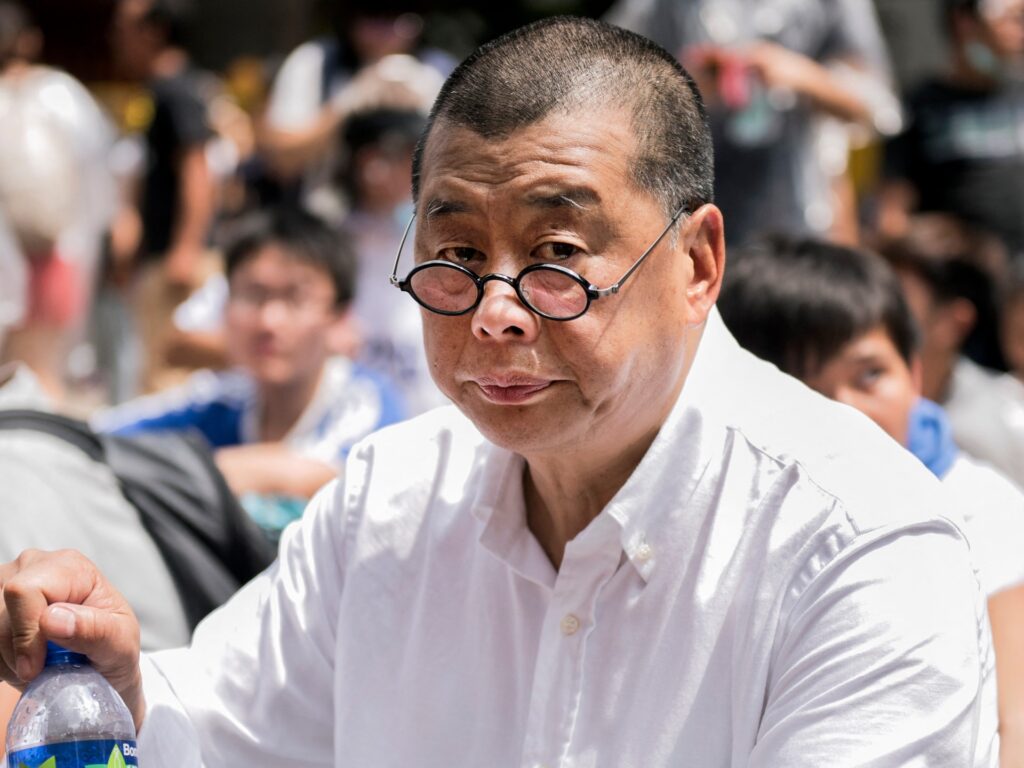
In a surprising judicial development, the Hong Kong appeals court has overturned the fraud conviction of Jimmy Lai, a prominent media mogul known for his pro-democracy stance. This decision comes just weeks after Lai was convicted and sentenced to 20 years in prison on national security charges, raising significant attention both locally and internationally.
Jimmy Lai, founder of the popular Apple Daily newspaper, has long been a vocal critic of Beijing’s policies in Hong Kong, making him a contentious figure in the ongoing political struggle within the city. His previous conviction on theft and fraud charges had compounded his legal troubles, which many observers believed were politically motivated.
The appeals court ruling states that the evidence used to convict Lai of fraud was insufficient and did not meet the legal standards required for a conviction. This overturning reflects the judiciary’s re-evaluation of the case, highlighting potential discrepancies in the prosecution’s approach.
Legal experts suggest that this ruling could have broader implications for the high-profile cases emerging from Hong Kong’s tightened national security environment. The decision also underscores the complexities faced by the city’s legal system, which is navigating the challenging balance between maintaining sovereignty under the “One Country, Two Systems” framework and enforcing stringent national security laws.
International human rights groups and press freedom advocates have welcomed the overturning of the fraud conviction, viewing it as a rare win amidst what they describe as a crackdown on dissent. They continue to call for the release of Lai and other activists jailed under the national security law.
While the overturning of the fraud charge offers some relief for Lai, his 20-year sentence on national security grounds remains in place, keeping him incarcerated. His legal team has hinted at further appeals and emphasized that Lai’s case symbolizes the struggle for democratic freedoms in Hong Kong.
The case has drawn widespread condemnation and concern from Western governments, who argue that the use of national security legislation in Hong Kong suppresses political opposition and undermines the region’s autonomy.
Hong Kong’s legal environment remains highly scrutinized internationally as this case unfolds. Many see Lai’s trials as indicative of the city’s shifting political landscape and the diminishing space for free expression.
The recent appeal court decision is a significant twist in this ongoing saga, offering a glimmer of judicial independence. However, the broader implications for political activists and the media environment in Hong Kong remain uncertain amid tighter governmental control.
In conclusion, the Hong Kong appeals court’s decision to overturn Jimmy Lai’s fraud conviction represents an unexpected judicial move amid a politically charged atmosphere. While Lai remains imprisoned on national security charges, this ruling may influence public discourse and judicial proceedings in Hong Kong’s sensitive political climate.