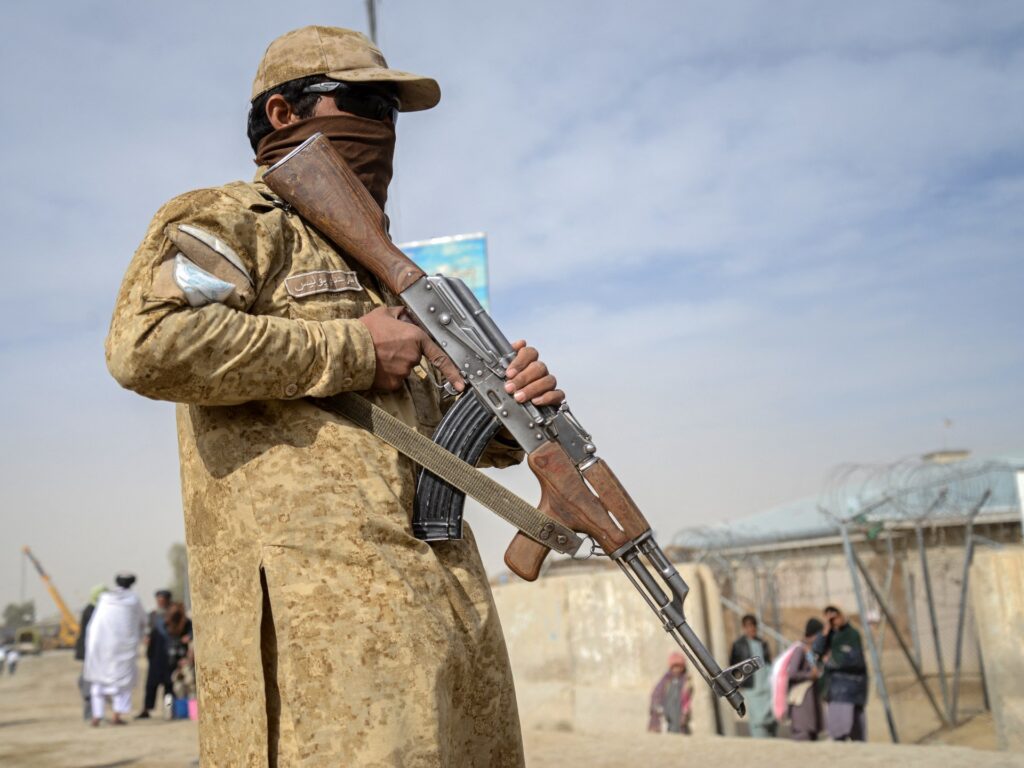
Tensions along the Afghan-Pakistani border have once again flared after a series of deadly strikes, resulting in fresh clashes between the two neighboring countries. Both Afghanistan and Pakistan have accused each other of initiating unprovoked fire near their long-contested and sensitive frontier, exacerbating an already fragile situation.
The border, which has historically been a hotspot for skirmishes due to its complex tribal regions and the presence of militant groups, saw escalated conflict following recent air and ground attacks. Pakistani officials claim that Afghan forces and militants operating within Afghanistan launched attacks that targeted Pakistani border posts and civilian areas. Conversely, Afghan authorities argue that Pakistani military forces crossed the border in aggressive maneuvers and opened fire without provocation.
This recent violence adds to a series of confrontations that have strained the two countries’ diplomatic relations, which were already tense due to ongoing security and political disputes. The Afghan-Pakistani border spans approximately 2,670 kilometers, encompassing remote mountain terrains and areas difficult to control, creating challenges for both governments in maintaining peace.
International observers have expressed concern over the escalation, warning that renewed hostilities could undermine regional stability and affect counterterrorism efforts in an area critical for combating extremist groups. Both nations are home to complex ethnic groups and have experienced decades of conflict, making border peace crucial for wider peace prospects.
The clashes have resulted in casualties on both sides, including military personnel and civilians, raising fears of a broader conflict that could destabilize the region. Local populations along the border have been affected, with reports of displacement and disruption to daily life.
Calls for calm have been issued by various governments and international organizations, urging Afghanistan and Pakistan to engage in dialogue and respect existing agreements aimed at border management and conflict resolution. Analysts note that while the situation is volatile, diplomatic channels remain open, offering hope for de-escalation.
The renewed fighting emphasizes the urgent need for robust communication mechanisms between Afghan and Pakistani border forces, alongside joint efforts to address cross-border militancy. Security experts highlight that without trust and cooperation, the cycle of accusations and retaliations is likely to continue.
Both nations face internal challenges, including insurgent factions that exploit border instability. Coordinated efforts are essential to dismantle these groups and prevent further clashes from spiraling out of control.
In summary, the recent border hostilities between Afghanistan and Pakistan represent a significant setback in regional security efforts. While both sides blame each other for the unprovoked attacks, the underlying issues of territorial control, militant activity, and political mistrust persist. Moving forward, sustained diplomatic engagement, confidence-building measures, and effective border management are crucial to preventing future violence and fostering long-term peace along this troubled frontier.