Al Jazeera’s correspondent Nils Adler, who has reported from Ukraine throughout the four years of Russia’s war, shares his observations of profound changes within the Ukrainian psyche. Initially struck by shock and resilience, Ukrainians have gradually succumbed to feelings of numbness and hopelessness as the conflict drags on.
The war, which began with heightened hopes for a swift resolution, has deeply scarred the social and emotional fabric of the nation. Communities across Ukraine have endured relentless violence, loss, and displacement, leading to pervasive trauma that affects all generations.
In the early days, expressions of solidarity and resistance were widespread, reflecting a collective determination to defend sovereignty against aggression. However, as time has passed, the continued suffering and uncertainty have resulted in emotional exhaustion.
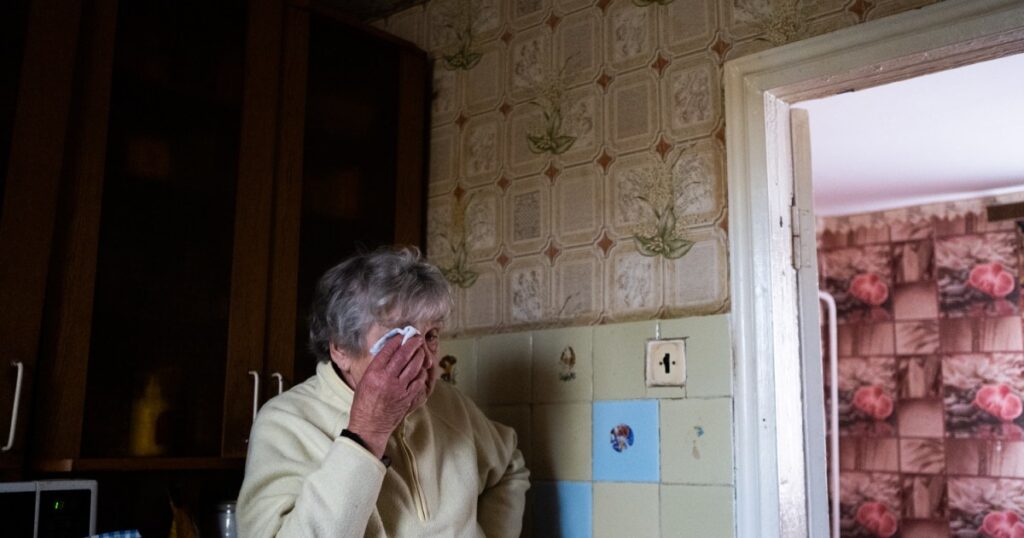
Nils Adler notes that the initial shock has given way to a jaded numbness among many Ukrainians. This emotional fatigue is compounded by the bleak outlook for the near future. The constant presence of war has normalized fear and insecurity, making hope a rare commodity.
Families fragmented by conflict, children growing up amidst ruins, and communities torn apart by death and displacement illustrate the human cost of the protracted war. Mental health services are overwhelmed, yet many victims of the conflict remain untreated and unsupported.
Economic hardship, infrastructure destruction, and disrupted education systems contribute to a sense of despair. For many young Ukrainians, aspirations have diminished, and the dream of a peaceful, prosperous life feels increasingly distant.
Despite this, there remain pockets of resilience and determination. Grassroots organizations, humanitarian workers, and civilians continue to provide aid and foster community bonds. These efforts are vital lifelines amid the pervasive hopelessness.
International attention and aid help sustain these efforts, but the long-term recovery and healing pose enormous challenges. Adler emphasizes the need for comprehensive support addressing both material reconstruction and psychological recovery.
The story of Ukraine is now one of enduring hardship and resilience, where the initial shock of war has evolved into a complex battle against despair. The world must not lose sight of the human dimension behind the headlines—a society struggling to reclaim hope and rebuild their future amid ongoing conflict.