In a significant humanitarian development, the Rafah crossing between Gaza and Egypt has been reopened, allowing wounded Palestinians to leave Gaza for medical treatment. This move comes after intense international pressure and ongoing conflict in the region.
The Rafah crossing will operate for only six hours daily, with strict regulations permitting only 150 patients to exit Gaza each day. These patients are primarily those requiring urgent medical care that cannot be provided within Gaza itself.
Medical personnel and aid organizations have welcomed the reopening, emphasizing the critical need for access to specialized health services unavailable in the besieged territory. The limited operating hours and patient quota, however, highlight the challenges still faced in addressing the healthcare needs of Palestinians in Gaza.
Israel’s decision to open the Rafah crossing aligns with calls for easing humanitarian restrictions, but also comes amid heightened security concerns. Both the Israeli and Egyptian authorities will monitor the crossing closely to regulate and manage the flow of people.
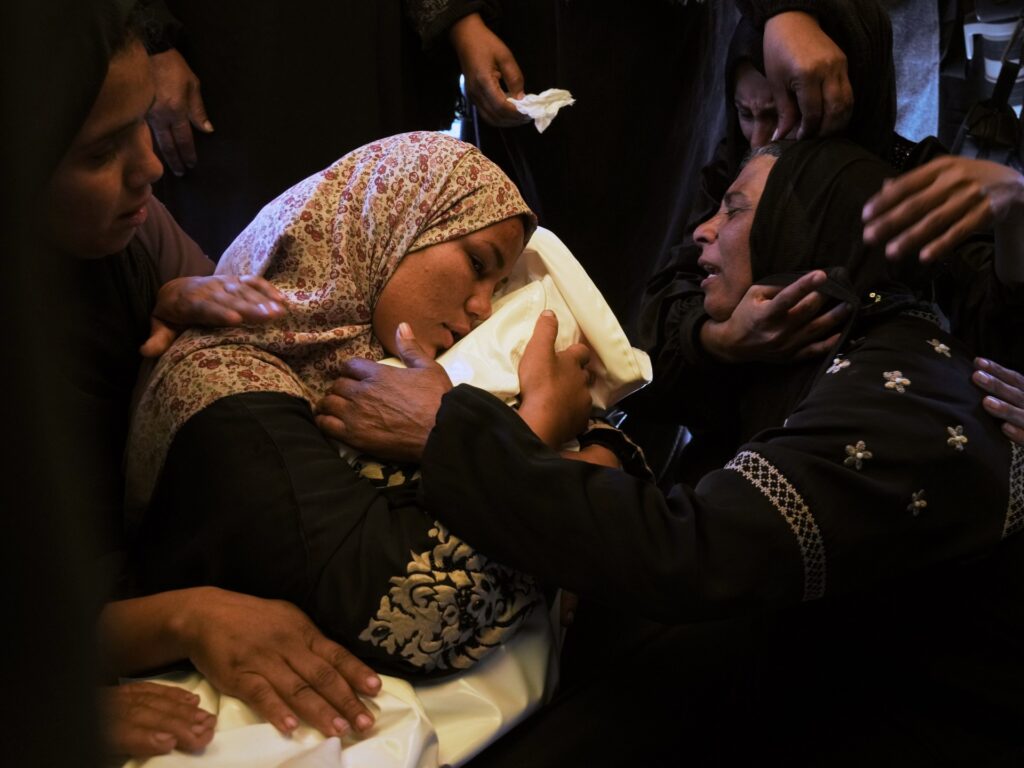
Families of the wounded have expressed cautious relief, hoping that the limited access will be expanded in the near future to allow more people in need to receive treatment. Humanitarian groups are advocating for a sustained and expanded operation of the crossing to address the ongoing medical crisis.
The international community continues to call for sustained peace and the protection of civilians amidst the conflict. Meanwhile, the reopening of Rafah provides a small but vital respite for those most affected by the violence, offering a chance for recovery and relief.
As operations commence, updates will follow on the functioning of the crossing and the impact on wounded Palestinians who begin to leave Gaza. The situation remains fluid, with ongoing diplomatic and humanitarian efforts aimed at easing the crisis and preventing further suffering.