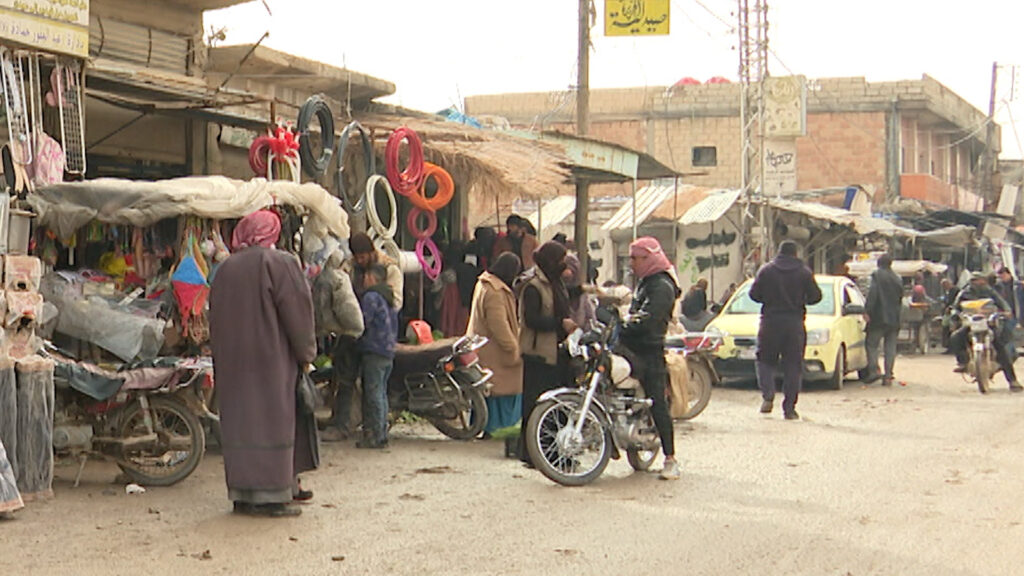
Recent developments in Syria have brought renewed attention to the complex dynamics in areas previously under the control of the Kurdish-led Syrian Democratic Forces (SDF). One of the most significant locations is Hasakah, a key region in northeastern Syria where Syrian government troops have been poised to enter for quite some time.
Hasakah has been a focal point of conflict and control shifts during the ongoing Syrian civil war. For years, the Kurdish-led SDF has maintained strong control over the area, establishing a relatively autonomous administration that sought stability amid widespread chaos. However, recent moves by the Syrian government to reclaim these territories have introduced a mixture of hope and fear among the local population.
The Syrian government’s intent to reassert authority over Hasakah symbolizes a potential step towards national unity and restoration of state control in regions fractured by years of conflict. Supporters of the government view this development as an opportunity to regain sovereignty and rebuild war-torn communities.
Conversely, many residents and SDF-affiliated individuals harbor deep concerns about the return of Damascus’ control. Fears revolve around possible repression, loss of the relative autonomy currently enjoyed, and the uncertain future of Kurdish political and cultural rights.
The tension is palpable as government forces await entry into Hasakah. The city’s strategic significance is underscored by its location and resources, making it a valuable asset for all parties involved. The situation encapsulates the broader struggle in Syria between competing factions, each with their own vision for the country’s future.
International observers have urged caution and dialogue to ensure that the transition of control does not escalate violence or result in humanitarian crises. Ensuring the safety and rights of civilians remains a crucial challenge as the Syrian government prepares to extend its reach.
This moment in Hasakah reflects the broader complexities of the Syrian conflict: a tapestry of intertwined local hopes, fears, and geopolitical interests. While some view the government’s advance as a hopeful sign of reunification and peace, others see it as a harbinger of instability and loss.
The coming days and weeks will be critical in determining whether Hasakah transforms into a model of reconciled governance or a flashpoint of renewed discord. For now, the eyes of the world remain fixed on this city, eager to see how the delicate balance of hope and fear will play out on the ground.