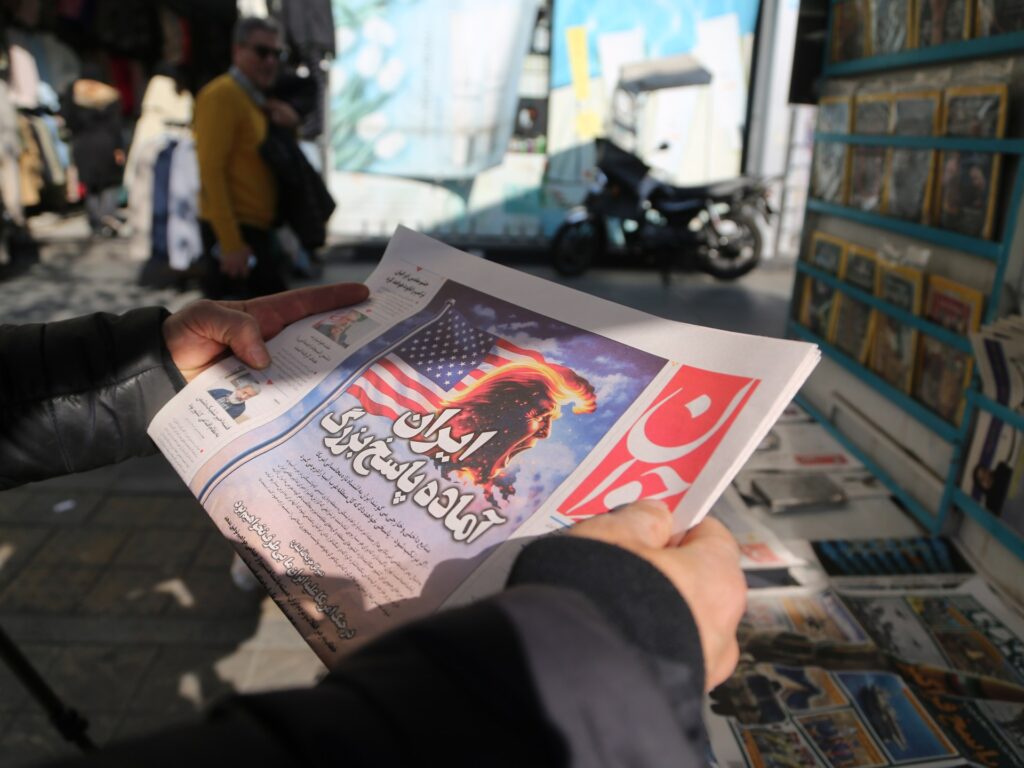
Tensions between Iran and the United States have escalated once again, as former US President Donald Trump issued a stark warning to Tehran. Trump stated that Iran faces a clear choice: to negotiate what he describes as a ‘fair and equitable deal’ or to confront the deployment of a US ‘armada’—a powerful naval force intended as a show of strength and deterrence.
In response, Iranian officials have pushed back strongly against these threats. Tehran’s government warned of a quick and decisive retaliation if provoked, emphasizing their readiness to defend national sovereignty against any acts of aggression. Iran’s leadership expressed that they remain open to negotiations but reject any form of coercion or intimidation.
This latest exchange marks a significant increase in diplomatic and military rhetoric between the two nations, raising concerns in the international community about potential conflict in the volatile Middle East region. Analysts note that Trump’s return to aggressive policy stances signals a hardening of his approach toward Iran, differing from prior engagements focused on diplomatic dialogue.
Iran has stated that it seeks peaceful resolution through dialogue, calling on international mediators to help de-escalate the situation. However, the mention of a US armada suggests a potential buildup of military assets that could heighten risks on both sides.
The historical context of US-Iran relations, marked by longstanding mistrust and previous confrontations, underscores the fragility of peace efforts. Observers urge caution as any miscalculation could spark a broader conflict with global implications.
As of now, both nations are closely monitoring developments, and the international community watches anxiously for signs of either escalation or a return to diplomatic negotiations. The coming days will be critical in determining whether tensions will ease or lead to a potentially dangerous standoff.