an-individual-wearing-a-dark-purple-short-sleeved-top-with-a-chest-emblem-and-a-dark-blue-helmet-wit.jpg
As England prepares for their day-night Ashes encounter against Australia at the Gabba, former captain Joe Root has voiced his skepticism regarding the necessity of a pink-ball Test in cricket’s oldest rivalry. England finds themselves 1-0 down in the five-match series following their defeat in Perth and will be looking to even the score at a venue where they haven’t secured a victory since 1986.
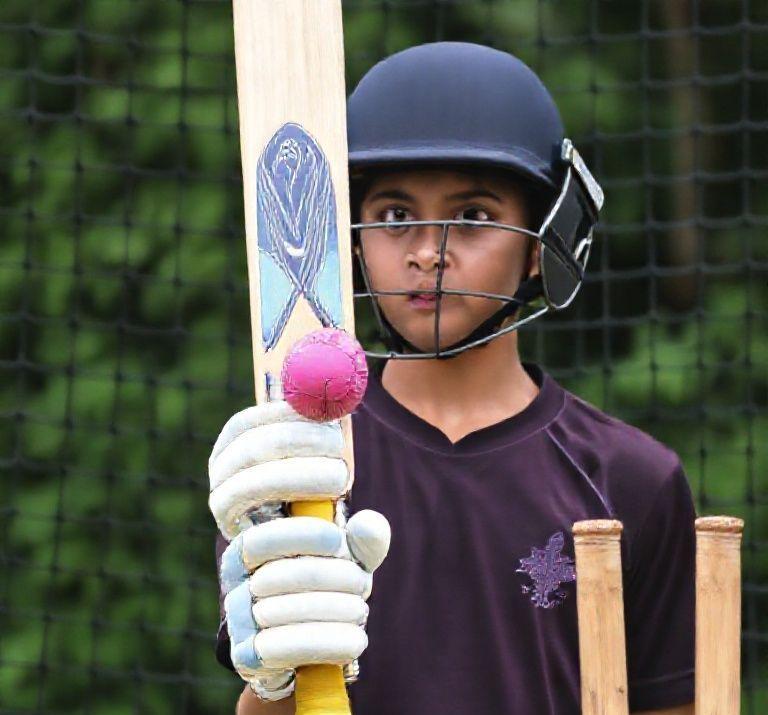
The International Cricket Council sanctioned day-night Tests in 2015, hoping to boost audience engagement. Australia has largely embraced this concept, hosting 13 of the 24 day-night Tests played globally and boasting an impressive record of 13 wins from 14 such matches worldwide. England, in contrast, has won only two of their seven pink-ball Tests, with three of those defeats occurring on Australian soil.
When asked by reporters about the inclusion of a day-night Test in the Ashes, Root stated, “I personally don’t think so.” He acknowledged the format’s success and popularity in Australia, as well as the home team’s strong record, explaining, “You can see why we’re playing one of those games.” Root added that teams are aware of the fixture well in advance, making preparation key. “A series like this, does it need it? I don’t think so, but it doesn’t mean it shouldn’t be here either,” he concluded.
Conversely, Australian batter Travis Head offered a differing perspective, telling reporters, “We’ve embraced it. We’ve been able to put out a good product and play really well with it.” He emphasized, “Pink ball, white ball, red ball – who really cares? Does it need it, does it not? It’s a great spectacle and we’re going to have huge crowds again.” Head suggested that opinions might differ based on a team’s performance, but ultimately, he believes it’s “great for the game” and offers a “different atmosphere” while maintaining the five-day format.
Australia’s only pink-ball Test defeat came at the Gabba last year, a surprising loss to the West Indies. While day-night Tests have been traditionally popular in Adelaide, the current Ashes schedule has shifted, with Adelaide now hosting a day-time third Test. However, the pink-ball fixture remains, strategically placed to ensure prime-time television viewing for the east coast of Australia by opening the series with matches in Perth and Brisbane.
Root, who has participated in all seven of England’s pink-ball Tests, highlighted the significant change in conditions under floodlights. “At different phases of the day it can feel quite placid, you can feel out of the game with the ball and things can turn around,” he explained. He also noted the challenge for batters in seeing the pink ball, despite its similar swing and seam movement compared to the red ball. Australia’s Mitchell Starc, known for his high-speed deliveries, leads all bowlers in day-night Test wickets.
Despite the challenges, Root remains optimistic. “There will be different elements to contend with, but that is all part of the fun, right?” he stated. “Can we be skilful enough and brave enough to be better than Australia in those big moments.”
However, a potential setback for England is the likely absence of their fastest bowler, Mark Wood, due to left knee soreness. Millenium TV understands that England may consider Josh Tongue as a like-for-like replacement or opt for a spin option such as Shoaib Bashir or Will Jacks.
Root, despite his recent low scores against Mitchell Starc, did not participate in the England Lions’ pink-ball fixture. He expressed confidence in his abilities, saying, “I know I’m a good player, I know I’m going to be able to score runs again. It’s just making sure I’m really clear about how I’m going to construct an innings against the pink ball in these conditions against this attack.”
© Millenium TV