Winter weather in Gaza continues to wreak havoc, exposing the dire situation caused by the collapse of the region’s infrastructure. Recent flooding and strong winds have intensified the hardships faced by residents who are now left defenseless against the storm’s impact.
The Gaza Strip, already struggling with political and economic challenges, faces an additional crisis as its aging and severely damaged infrastructure fails to cope with increasingly severe weather conditions. Roads, drainage systems, and essential utilities have deteriorated or been destroyed due to years of conflict and blockade.
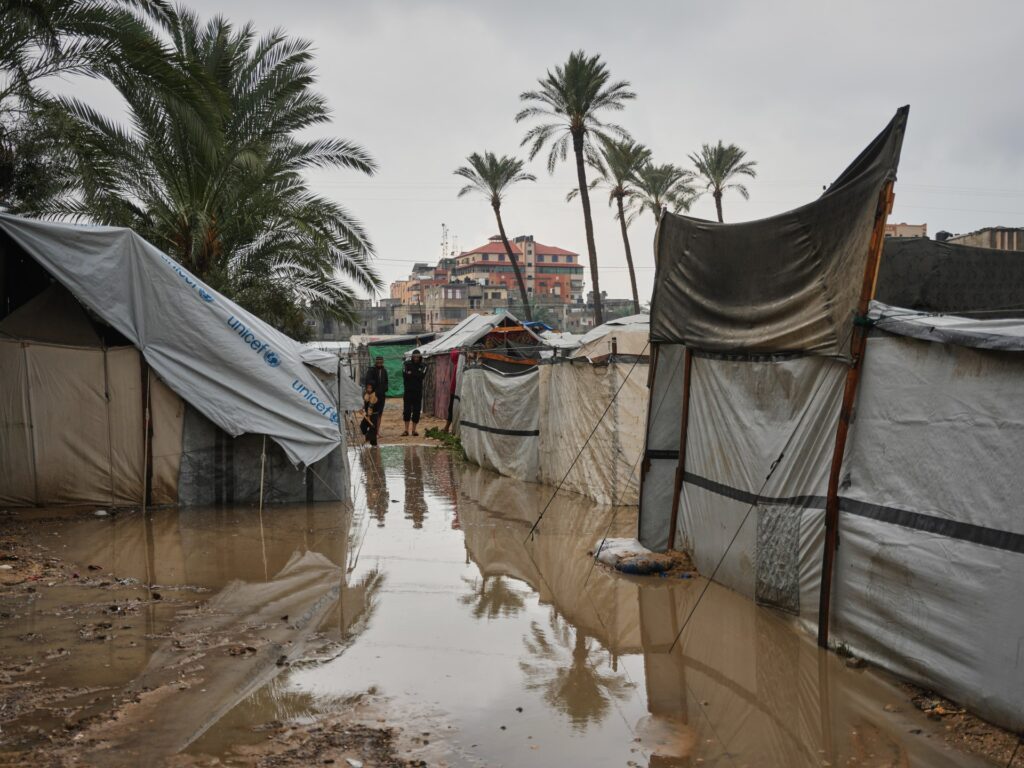
Heavy rains have overwhelmed the inadequate drainage networks, leading to widespread flooding in residential areas. Many homes, particularly those of the most vulnerable populations, have been inundated, displacing families and causing significant property destruction. The flooding has also disrupted electricity and clean water supplies, compounding public health risks.
Strong winds accompanying the storms have caused structural damage to buildings, uprooted trees, and led to power outages, further isolating communities and hindering emergency response efforts. With limited resources and access to aid, local authorities and humanitarian organizations face immense difficulties in providing relief and reconstruction.
The humanitarian situation is exacerbated by the blockades restricting the flow of construction materials and essential supplies, impeding efforts to repair the broken infrastructure. Residents are forced to endure these conditions without adequate shelter or protection against the harsh winter elements.
Health facilities are under strain, grappling with increased cases of waterborne diseases and respiratory infections as the floods create unsanitary conditions and cold exposure. Vulnerable groups, including children and the elderly, are at heightened risk.
International agencies have called for urgent assistance to mitigate the impact of the winter storms and address the critical infrastructure needs. There is a pressing demand for investment in sustainable water management systems, resilient housing, and emergency preparedness.
Local communities have shown resilience, with volunteers and grassroots groups mobilizing to assist those affected, distributing aid, and conducting repairs despite the challenges. However, long-term solutions require comprehensive political will and cooperation to lift restrictions and rebuild Gaza’s devastated infrastructure.
As winter persists, the population remains vulnerable to further weather-related disasters unless immediate and coordinated action is taken to restore basic services and protect Gaza’s residents from the growing climate risks they face.