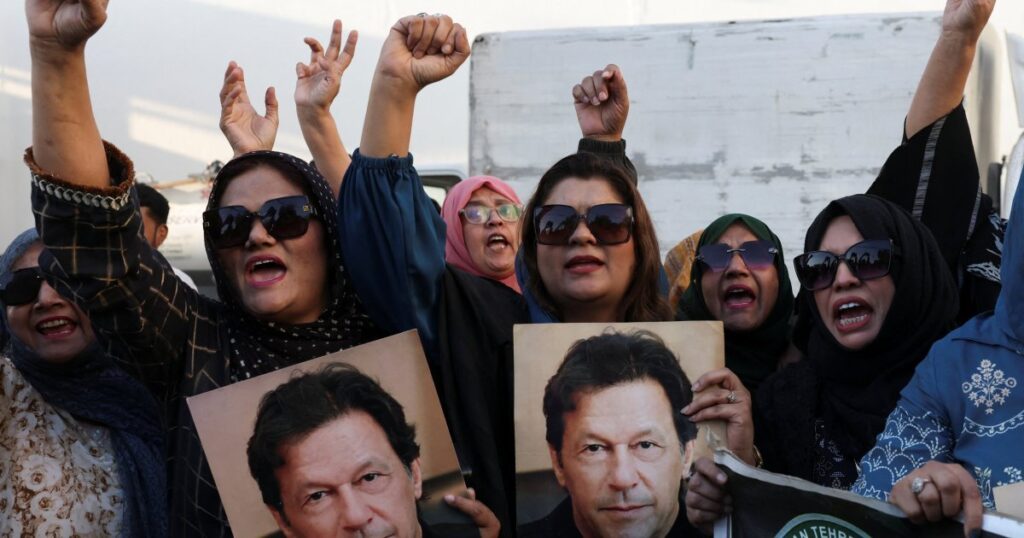
Former Prime Minister of Pakistan, Imran Khan, was taken to a government hospital in Islamabad for treatment during the night and was subsequently returned to prison. This incident has triggered a demand from the Pakistan Tehreek-e-Insaf (PTI), Khan’s political party, for immediate access to their leader. Imran Khan, who has been jailed, is currently under custody, and the overnight hospital visit has raised concerns regarding his health and the conditions of his imprisonment. The PTI has voiced its insistence on the right to visit Khan and assess his medical needs firsthand. The party claims that the decision to take Khan to the hospital came at the last minute and without prior notification, heightening fears among his supporters about his well-being. The hospital transfer added to the already tense political atmosphere in Pakistan, where Khan remains a highly influential and controversial figure. His imprisonment follows a series of legal battles and political conflicts, which have polarized the nation. The PTI has stated that transparency regarding Khan’s health is crucial and that denying them access undermines fundamental human rights. This call for access to Khan is also seen as a broader plea for accountability in how political detainees are treated in Pakistan. Observers note the symbolic weight of this episode, which spotlights ongoing issues in Pakistan’s political and judicial landscape. The health and safety of political prisoners have consistently been a subject of debate and international concern, with advocates stressing the need for humane treatment. As the situation develops, the PTI is likely to intensify its campaigns both domestically and internationally to ensure that the former Prime Minister receives appropriate medical care and that his rights as a prisoner are respected. Meanwhile, government officials have not disclosed detailed information about Khan’s medical condition or the circumstances leading to his hospital visit. The hospital’s handling of the case and the swift return to incarceration have been criticized by human rights groups, who call for impartial investigations. Imran Khan’s supporters continue to rally for his release and better treatment, leveraging social media and public demonstrations to draw attention to his plight. This episode adds to the complex narrative surrounding Imran Khan, whose political career has been marked by both widespread popularity and fierce opposition. The demand for access and transparency reflects broader concerns about governance, justice, and political freedom in Pakistan. As the former Prime Minister remains behind bars, the political dynamics in Pakistan are likely to remain volatile, with significant implications for the country’s future direction and stability.