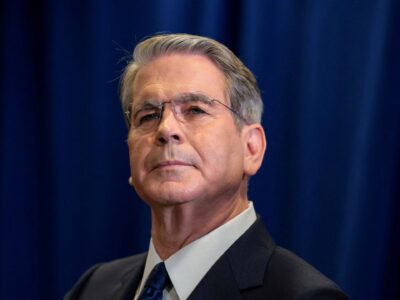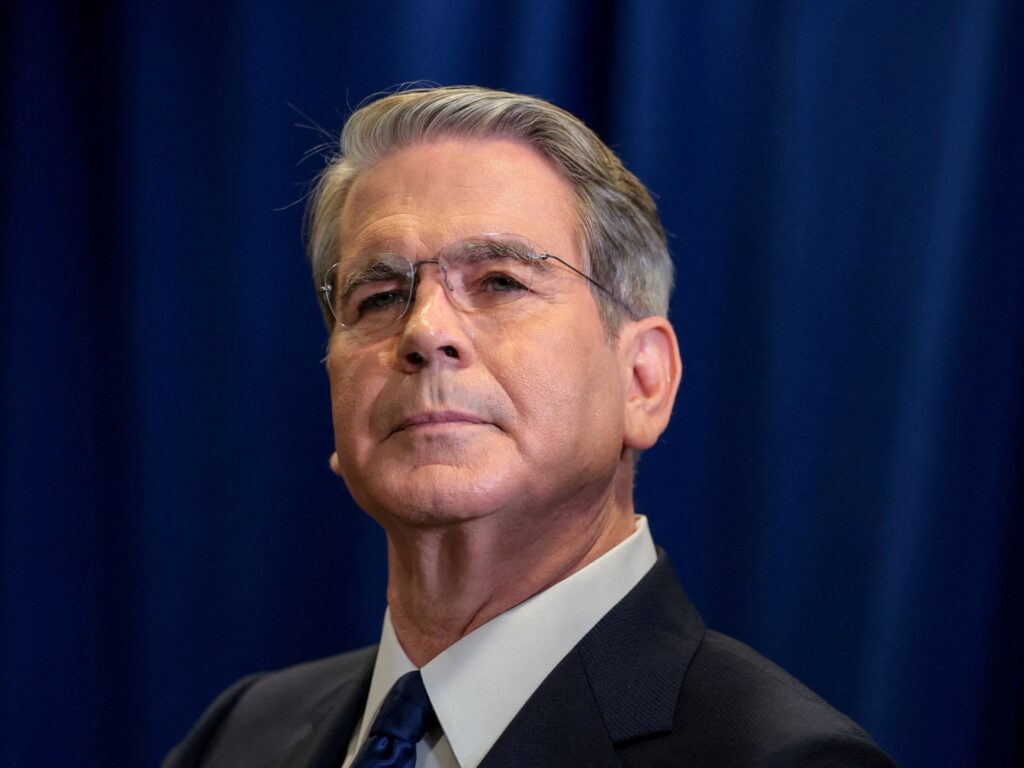
In a recent and alarming development, US Treasury Chief Bessent has been moved to a secure military base due to credible threats linked to Iran. This decision comes after reports surfaced indicating that Iranian operatives may have geo-located Bessent’s $12.5 million mansion located in Washington, DC. The incident underscores an escalating tension between US officials and foreign threats, highlighting the risks faced by high-profile government figures.
According to intelligence sources, the threat emerged after a photo of Bessent’s lavish property was published, enabling Iranian agents to pinpoint its exact location. The Washington, DC residence, valued at $12.5 million, is situated in an exclusive neighborhood and was previously regarded as a secure and private domicile. However, the exposure of the property’s image in public or media outlets has raised significant security concerns, prompting immediate action from US authorities.
The Treasury Department and the US government as a whole have treated the matter with utmost seriousness. National security teams conducted a thorough threat assessment, concluding that the risk to Bessent’s personal safety was grave enough to warrant relocation to a fortified military facility. This type of relocation is rare for civilian officials and signals the severity of foreign intelligence threats targeting senior US leaders.
Iran’s alleged geo-location of Bessent’s mansion is viewed as part of a larger pattern of intimidation and surveillance directed at US political and economic leaders. It reflects a sophisticated level of cyber and intelligence capabilities employed by Iran’s security apparatus. Experts believe that such tactics are intended to unsettle US officials and potentially influence policy through covert pressure.
Historical context adds to the gravity of the situation. Over the past decade, there have been multiple reported instances of Iranian intelligence targeting US officials abroad and on American soil. These attempts vary from electronic surveillance, attempts at infiltration, to direct threats and physical intimidation. The Bessent case marks one of the most direct threats involving a senior economic official’s home within the US.
Security experts highlight that the exposure of high-value properties through social media and news can be exploited by hostile foreign entities to track and harass officials. Consequently, many government officials have tightened personal security protocols and minimized public disclosure of their residences.
In response to the incident, the Treasury Department has issued new guidelines limiting the sharing and publication of personal estate images linked to high-ranking officials. It also emphasized enhanced collaboration with the Department of Defense and federal law enforcement agencies to secure officials’ safety.
The relocation to a military base offers enhanced protection through restricted access, armed security personnel, and advanced surveillance systems. While inconvenient, this is seen as a necessary measure to prevent any potential attack or surveillance by foreign agents.
Public reaction has been cautious but supportive of the government’s efforts to protect its leaders. Analysts warn, however, that the threat level could indicate increasing hostility from Iran towards the US, potentially escalating diplomatic tensions.
In summary, the relocation of US Treasury Chief Bessent to a military base following Iranian threats raises serious concerns regarding the security environment faced by top US officials. It highlights the sophisticated and persistent nature of foreign intelligence operations and underscores the importance of rigorous security measures to protect public servants. Moving forward, this incident will likely prompt renewed focus on safeguarding officials’ privacy and enhancing counterintelligence strategies to mitigate emerging threats.