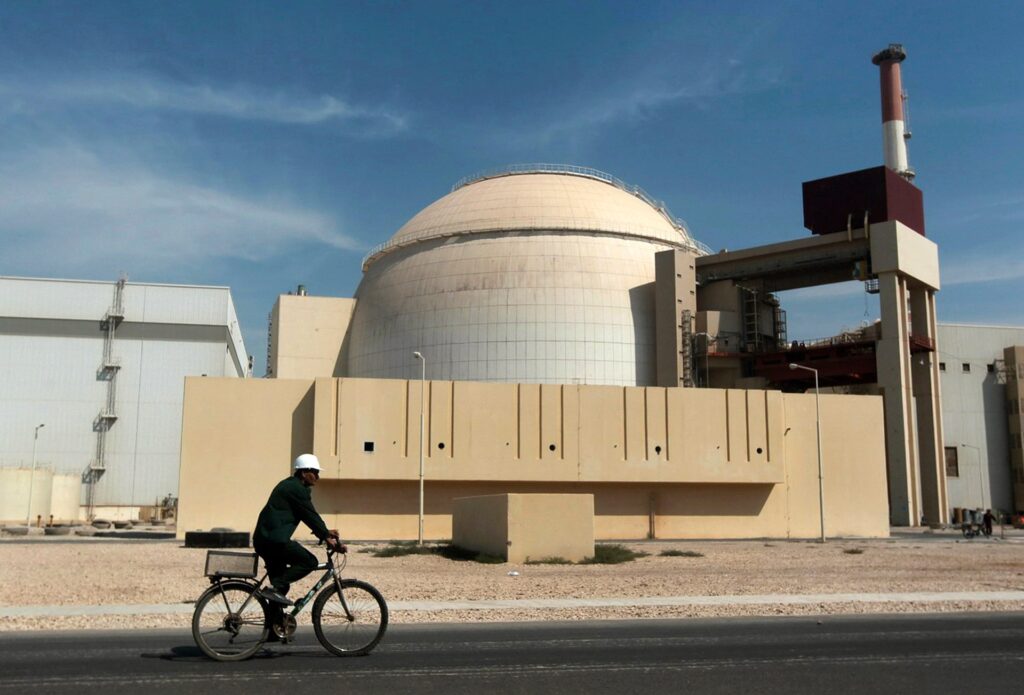
Iran has publicly reaffirmed its commitment to the Nuclear Non-Proliferation Treaty (NPT), signaling its adherence to global nuclear disarmament and non-proliferation norms. Despite this official stance, internal pressures from hardline factions within the country are raising concerns about a potential shift in Iran’s nuclear ambitions, including the possibility of developing nuclear weapons.
The NPT is a landmark international treaty aimed at preventing the spread of nuclear weapons and promoting peaceful uses of nuclear energy. Iran, as a signatory, is obligated to adhere to these principles, which has been a key point in ongoing diplomatic negotiations involving global powers.
Iran’s government emphasizes its right to pursue nuclear technology for peaceful purposes, such as energy production and medical applications. Officials have consistently denied intentions to develop nuclear weapons, underscoring their commitment to the treaty.
However, hardliners within Iran’s political and military establishment are reportedly advocating for a re-evaluation of the country’s nuclear policy. This group argues that advancing nuclear capabilities, including weaponization, could serve as a strategic deterrent amid regional security tensions and international sanctions.
The dichotomy between Iran’s official commitment and the internal pressures reflects the complex dynamics shaping its nuclear program. While diplomacy continues to focus on ensuring Iran’s compliance with the NPT, analysts note the potential risks if hardliners gain greater influence over nuclear decision-making.
International stakeholders remain vigilant, monitoring Iran’s nuclear activities and engaging in talks to prevent any deviations from the treaty. The situation underscores the delicate balance between non-proliferation efforts and national security concerns in a geopolitically volatile region.
The global community awaits further developments as Iran navigates its nuclear policy, striving to reconcile internal political factions and external diplomatic pressures. The trajectory of Iran’s nuclear program will significantly impact regional stability and the international non-proliferation regime in the years ahead.