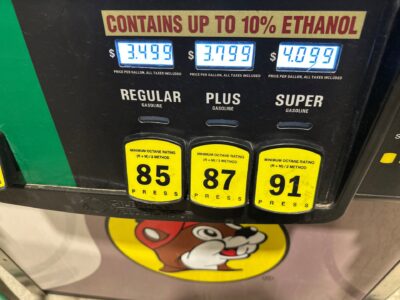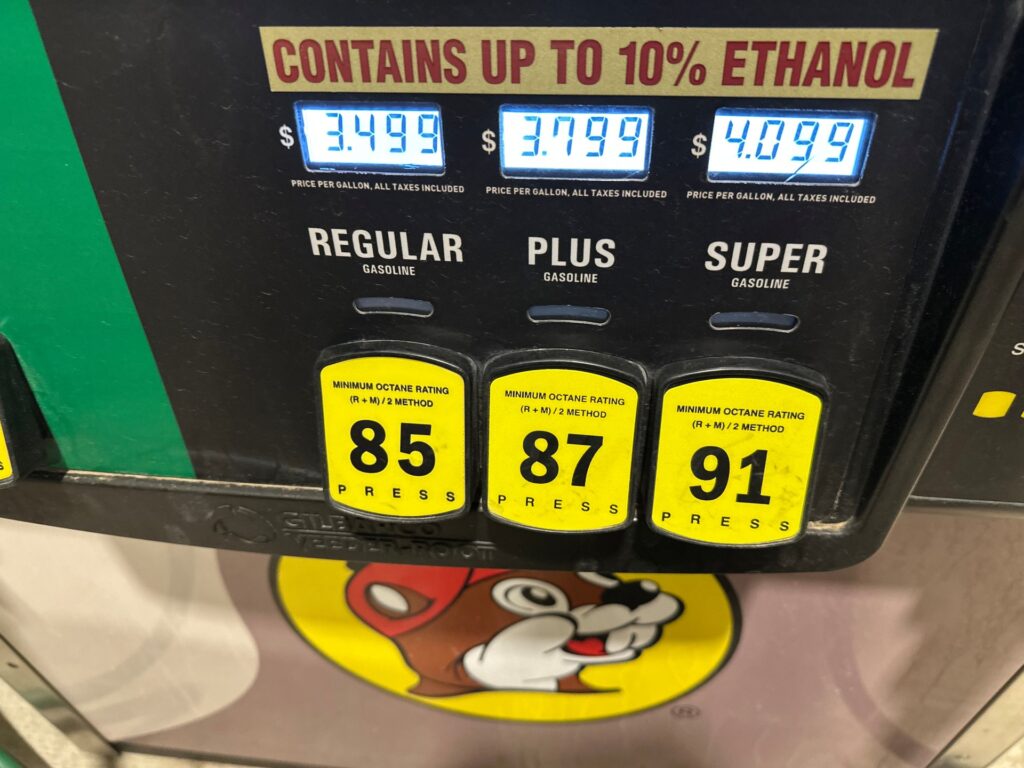
In recent months, the United States has witnessed a decline in petrol prices, offering some relief to consumers burdened by rising fuel costs. This easing in fuel prices is largely attributed to geopolitical developments, notably the US war on Iran, which has influenced oil supply dynamics and market sentiments. Despite this favorable shift in petrol prices, the broader economic picture remains challenging as inflation levels continue to stay elevated.
Inflation, the general increase in prices across the economy, has proven stubbornly high, creating ongoing financial strain on households and businesses alike. Experts suggest that while the drop in fuel prices can help moderate some aspects of inflation, it is insufficient on its own to bring down overall inflation rates substantially. Other factors, including supply chain disruptions, labor market tightness, and rising costs in food and housing, are contributing to sustained inflationary pressures.
The US government and Federal Reserve are monitoring the situation closely, balancing efforts to manage inflation without stalling economic growth. Lower petrol prices provide some respite in transportation and commuting expenses, potentially easing cost of living increases for many Americans. However, with inflationary forces persisting across a broad spectrum of goods and services, the economic environment remains complex and uncertain.
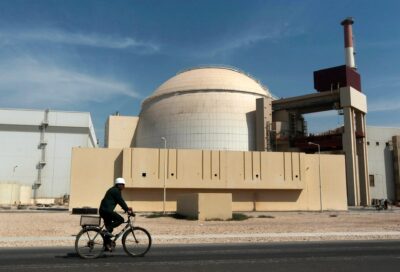
Analysts highlight that the interplay between global geopolitical events, domestic economic policies, and market reactions continues to shape the inflation landscape. The reduction in petrol prices, linked to US military and diplomatic actions regarding Iran, underscores how external factors can impact domestic economic conditions in significant ways.
Consumers are encouraged to remain cautious and adopt prudent financial practices amidst these inflationary challenges. Policymakers face pressure to implement measures that can effectively curb inflation without triggering recession. The current scenario exemplifies the intricate balance needed to sustain economic stability while addressing both external shocks and internal market dynamics.
In summary, while the recent decrease in US petrol prices signals a positive development, it has not yet translated into meaningful relief from high inflation levels. The situation calls for continued vigilance, multifaceted policy action, and adaptive strategies by all economic participants to navigate this period of economic turbulence effectively.