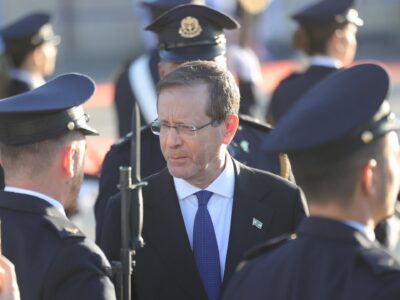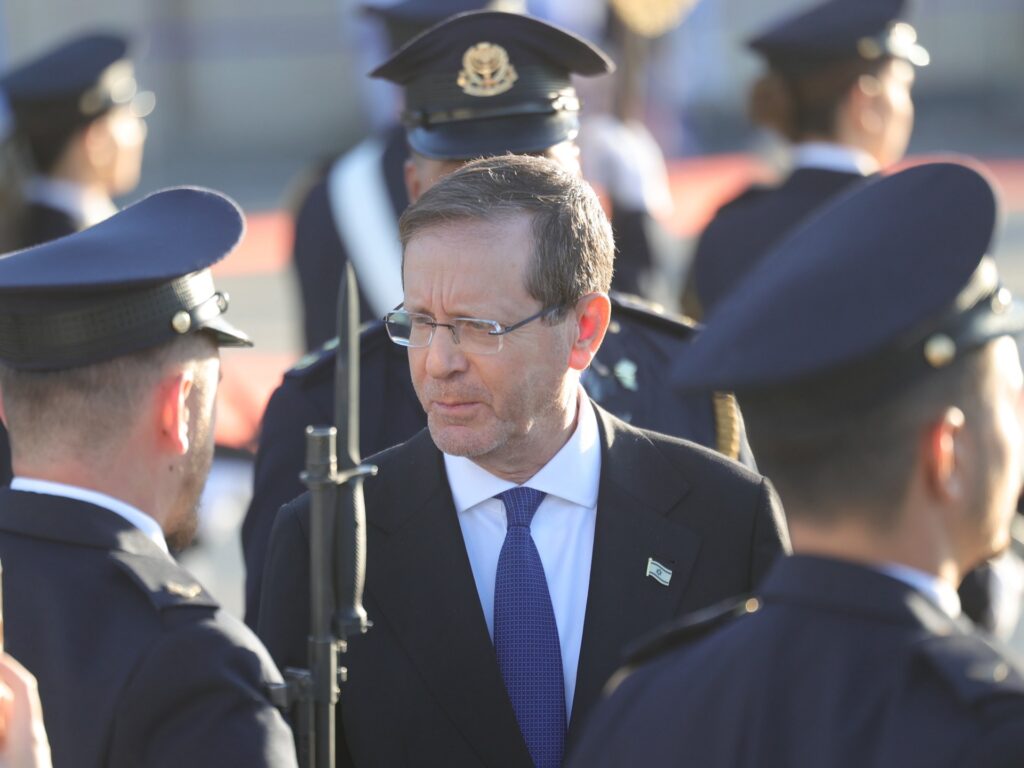
In a significant development amid Israel’s ongoing political turmoil, President Isaac Herzog urged against the prospect of a repeat election during the opening session of the new Knesset. His call came against the backdrop of recent elections that failed to produce a clear majority, intensifying fears of prolonged political gridlock.
President Herzog emphasized the urgent need for political cooperation and stability, warning that another election could exacerbate the existing challenges facing the country. His statements were particularly poignant given the still-fresh wounds from the unprecedented October 7 attacks, which have profoundly affected the nation’s security and political landscape.
During the Knesset session, Herzog called for a comprehensive inquiry into the October 7 attacks, underscoring the necessity for accountability and a thorough understanding of the events that led to the tragic incident. This inquiry is seen as crucial for national healing and to prevent similar security failures in the future.
The recent elections, conducted amid tension and uncertainty, resulted in a Knesset with no dominant party, making coalition-building a complex and potentially protracted process. Herzog’s appeal aims to encourage political factions to prioritize national interests over partisan politics in this delicate period.
Political analysts note that the president’s intervention is a rare but impactful move that highlights the severity of Israel’s current political and security challenges. The call for avoiding a repeat election reflects concerns over voter fatigue, increased polarization, and the potential erosion of democratic processes.
Herzog’s emphasis on an inquiry into the October 7 attacks also signals a broader demand from the public and various political voices for transparency and lessons learned. The tragic events have shaken public confidence, making it imperative for leaders to address security shortcomings decisively.
As the new Knesset navigates this fraught landscape, the international community watches closely, aware of Israel’s pivotal role in regional stability and global geopolitics. The president’s warnings and calls for unity resonate beyond Israel’s borders, reflecting shared concerns about peace and security in the Middle East.
In summary, President Herzog’s statement serves as both a warning and a call to action. It highlights the urgent need for political unity to avoid destabilizing repeat elections and stresses the importance of confronting the aftermath of the October 7 attacks through a formal inquiry. The path forward for Israel hinges on political cooperation, national resilience, and a commitment to security and democratic integrity.