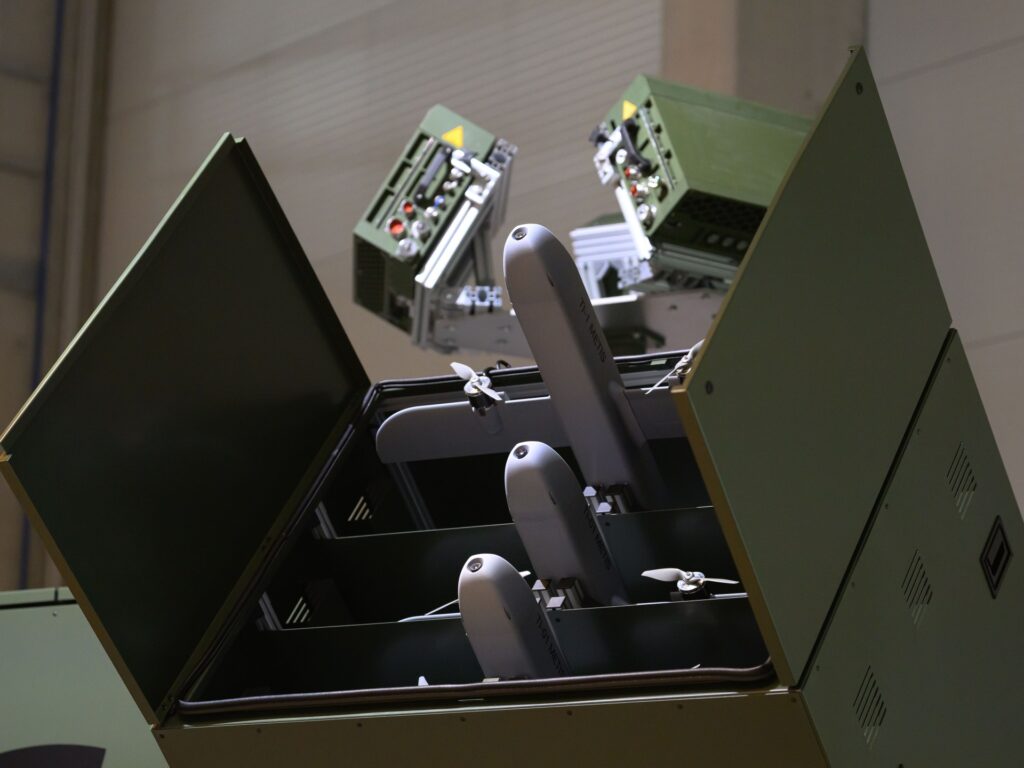
In a decisive move to address the escalating threat posed by rogue drones, multiple United States agencies have come together to enhance counter-drone measures across the nation. This collaborative effort underscores the increasing concern over unauthorized drone activities that pose risks to national security, critical infrastructure, and public safety.
The initiative gains significant momentum with NATO’s allocation of over $40 billion towards the development and deployment of advanced counter-drone technologies. This historic investment marks one of the largest financial commitments to drone defense systems to date, reflecting the urgency of addressing aerial threats that have become more frequent and sophisticated.
Rogue drones, which can be used for surveillance, smuggling, or even delivering explosives, present a multidimensional challenge for security agencies. Their ability to operate covertly and evade traditional detection systems complicates response efforts, necessitating innovative technological solutions.
US agencies involved in this unified front include the Department of Homeland Security, the Federal Aviation Administration, the Department of Defense, and the Federal Bureau of Investigation. These agencies are leveraging their collective expertise and resources to develop comprehensive strategies that include detection, interdiction, and legal frameworks to regulate drone use.
Technological advancements focus on radar detection systems, radio frequency jammers, drone capture mechanisms, and AI-driven tracking software. These tools aim to provide real-time identification and neutralization of unauthorized drones before they can cause harm.
The partnership with NATO further enhances intelligence sharing and coordinated defense protocols among member countries, recognizing that drone threats are not confined by national borders. This multinational approach seeks to establish standardized countermeasures and response tactics worldwide.
Public awareness campaigns are also part of the strategy, educating citizens on the dangers of rogue drones and encouraging reporting of suspicious drone activity. Enhanced training programs for law enforcement and emergency responders ensure readiness for potential drone-related incidents.
In addition to security applications, the investment is expected to spur innovation in the drone industry, promoting safer and more responsible use of drone technology for commercial and recreational purposes.
Experts emphasize that while drones have numerous beneficial uses, unchecked rogue drone activities could severely undermine privacy, economic stability, and safety. Thus, the current initiative represents a proactive approach to safeguard the nation’s airspace.
Looking ahead, officials are optimistic that the combination of significant funding, cutting-edge technology, and interagency cooperation will create a robust shield against the evolving threat landscape posed by rogue drones. The success of this initiative could serve as a model for other nations grappling with similar challenges.
As investment and development continue, the public can expect to see enhanced security measures implemented at major events, airports, government facilities, and other critical venues to detect and mitigate drone threats effectively. This collaborative effort marks a new chapter in the nation’s ongoing commitment to maintaining the safety and security of its airspace in the face of emerging technological challenges.