As winter descends upon Gaza, the region faces yet another harsh season characterized by severe cold, heavy rains, and the looming threat of flooding. Gaza’s coping mechanisms this winter highlight the resilience of its people amidst persistent hardships.
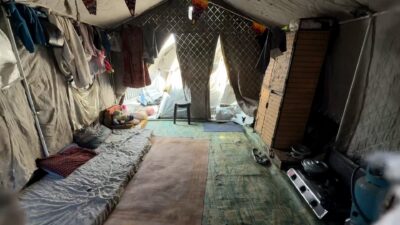
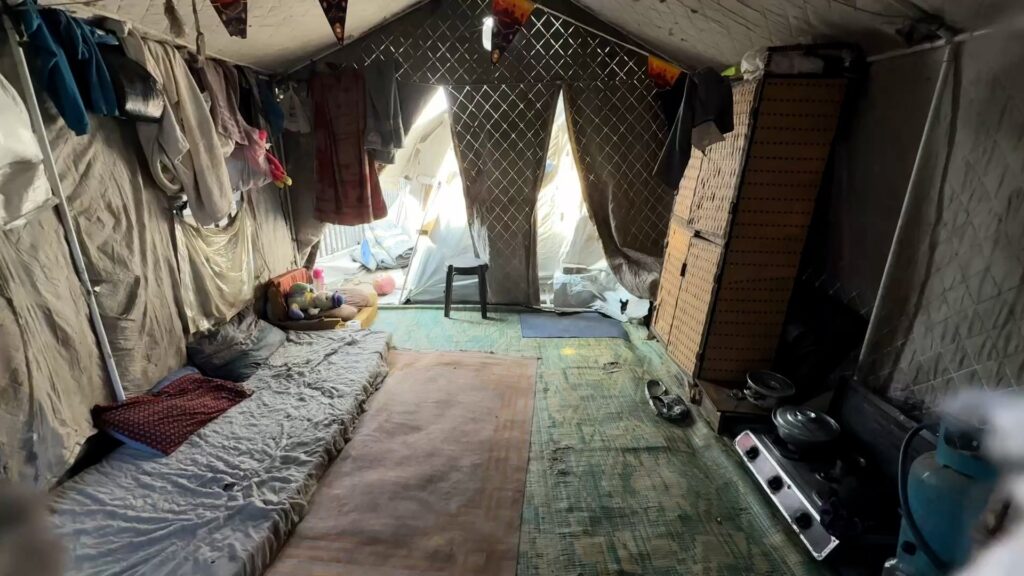
The Strip, long besieged and grappling with infrastructural challenges, finds its residents once again vulnerable to weather-related hardships. Many homes, already weakened by previous conflicts and economic blockades, struggle to keep out the cold and moisture. Makeshift shelters and inadequate insulation become common as families seek to preserve warmth in cramped conditions.
Humanitarian organizations have ramped up efforts to provide relief, distributing blankets, heaters, and essential winter supplies to the most vulnerable populations, including children and the elderly. Despite these efforts, access remains challenging due to border restrictions and limited resources.
Water management emerges as a critical concern. Gaza’s dilapidated sewage and drainage systems exacerbate flooding risks, leading to water contamination and increased health hazards. Health services report a rise in respiratory infections and other winter-related illnesses, straining an already weakened healthcare infrastructure.
Electricity shortages persist, limiting the use of heating devices and complicating water pumping and drainage. This intermittent power supply forces communities to rely on costly fuel-powered generators, which many cannot afford.
Efforts to repair and upgrade infrastructure continue under difficult conditions, with international agencies calling for more support to prevent a severe humanitarian crisis. Local initiatives and community solidarity also play a vital role, with neighbors and civil society groups working together to assist the vulnerable.
Education is disrupted, as schools face closures due to unsafe conditions or damage from storms. The psychological impact of harsh winters, layered atop ongoing political and economic struggles, weighs heavily on Gaza’s population.
In conclusion, Gaza’s ability to cope with another severe winter is a testament to the endurance and solidarity of its people, even as they confront compounded challenges. The situation underscores the urgent need for sustained humanitarian aid, infrastructure investment, and political solutions to alleviate the hardship caused by such extreme seasons.