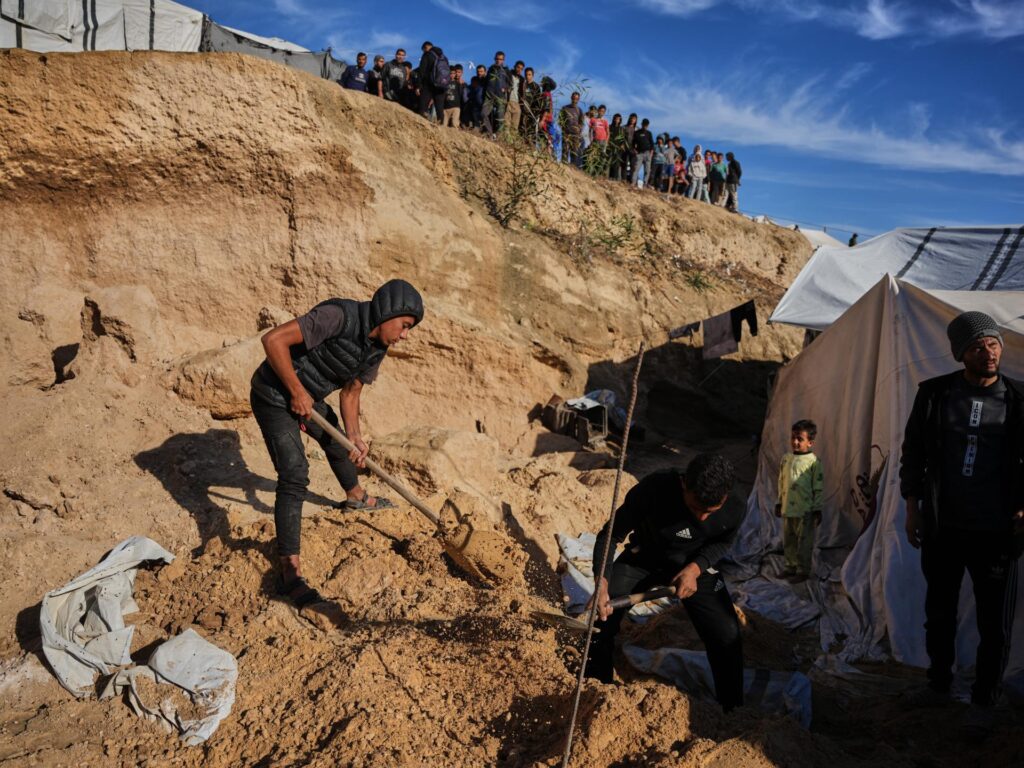
In a heartbreaking incident, a mudslide in Gaza resulting from heavy rains has claimed the lives of five individuals, including four children and one woman. The tragedy unfolded when a sandbank collapsed, burying a tent where the victims were taking shelter. This catastrophic event has brought to light the dangerous living conditions faced by many in the region, exacerbated by ongoing challenges such as limited infrastructure and environmental degradation.
Authorities in Gaza have expressed strong condemnation of the apparent global inaction in addressing the deep-rooted issues that contribute to such disasters. They argue that the tragic loss of life in this mudslide is not an isolated incident but a symptom of broader humanitarian and infrastructural neglect.
The victims, primarily children, highlight the vulnerability of displaced families living in makeshift shelters, especially during extreme weather conditions. This incident underscores the urgent need for improved emergency response mechanisms and better protective measures for at-risk populations.
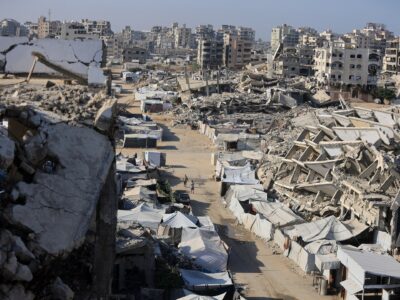
Heavy rains have been a recurring problem in the area, often exacerbating the already precarious conditions of refugee camps and informal settlements. The collapsing sandbank, which led to the disaster, points to the fragile nature of temporary housing often built without proper safety standards due to constraints on resources.
Gaza’s authorities have called on international organizations and the global community to increase support for efforts aimed at strengthening infrastructure, implementing effective disaster risk reduction strategies, and providing immediate relief to affected communities.
This tragedy also raises critical questions about the global response to humanitarian crises in conflict-affected regions. Persistent restrictions and political complexities have hindered development and relief initiatives, leaving vulnerable populations exposed to preventable dangers.
Local officials are coordinating with humanitarian agencies to provide aid to the families affected and to enhance preparedness for future incidents. However, they stress that without substantial international engagement and funding, the cycle of vulnerability and disaster will continue.
The mudslide and its fatal consequences serve as a stark reminder of the human cost of neglect and the moral imperative for the world to act decisively. Addressing these challenges requires a multi-faceted approach encompassing humanitarian aid, infrastructure development, and political solutions to foster stability and resilience.
As Gaza mourns the loss of these five lives, the call for global solidarity and concrete actions rings louder than ever, emphasizing that human lives cannot remain collateral damage in prolonged crises.