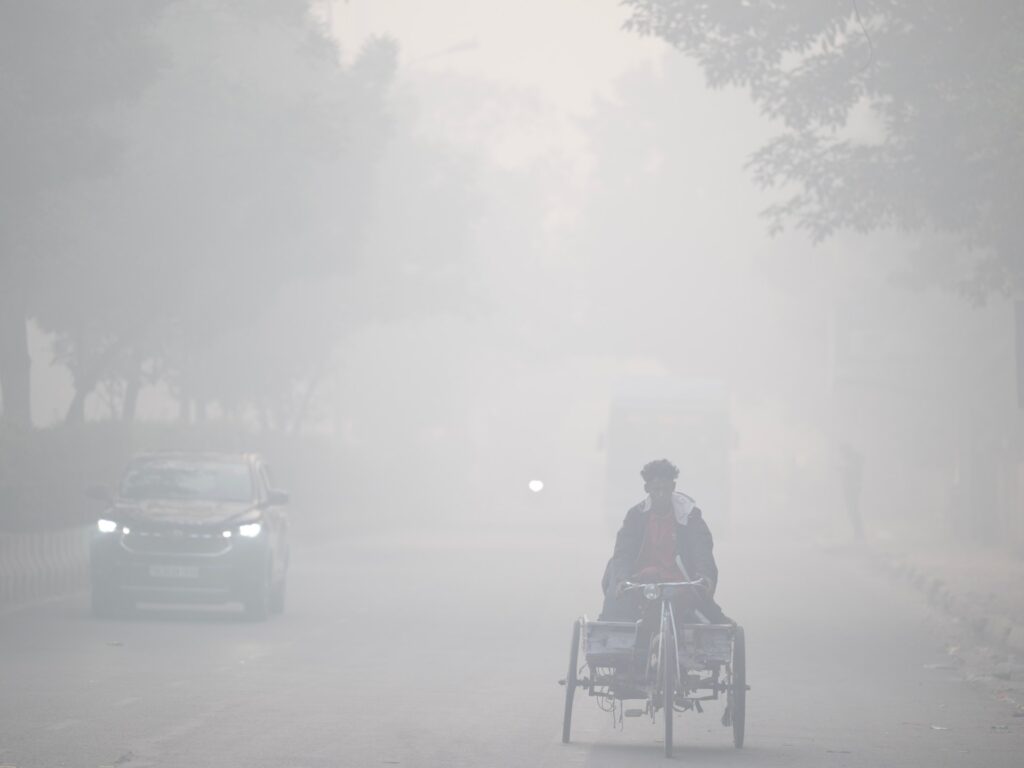
New Delhi, the capital city of India, is currently engulfed in a dense blanket of smog, as the air quality has sharply declined to severe levels. This alarming situation is primarily attributed to the widespread use of firecrackers during the Diwali festival, one of India’s most celebrated and culturally significant events. Every year, millions of residents partake in lighting firecrackers to mark the joyous occasion, but this tradition has an adverse effect on the environment and public health.
With a population exceeding 30 million, New Delhi’s smog crisis is particularly concerning due to the dense human habitation and existing pollution sources already putting strain on the city’s atmosphere. The sudden spike in pollutant levels during Diwali exacerbates respiratory and cardiovascular problems among the population, especially impacting children, the elderly, and individuals with pre-existing health conditions.
The air quality index (AQI) soared to hazardous levels in the days following the Diwali celebrations, primarily due to the release of particulate matter (PM2.5 and PM10), nitrogen oxides, and other toxic pollutants from firecrackers. These pollutants reduce visibility, create a thick haze over the city, and pose severe health risks including aggravated asthma, lung infections, and heart diseases.
Authorities have repeatedly urged citizens to reduce and eventually eliminate the use of firecrackers, encouraging more sustainable and eco-friendly ways to celebrate Diwali. Despite these appeals, the festival’s cultural significance and the tradition of revelry remain strong motivators for the continued use of firecrackers.
Environmental experts warn that if such levels of pollution persist, the city’s already strained healthcare infrastructure will face significant pressure. Long-term effects of repeated exposure to polluted air include increased mortality rates and chronic health issues among the populace.
In response, the government has implemented measures such as restricting the sale of firecrackers, setting time limits for their use, and monitoring air quality closely to issue timely health advisories. Additionally, there is a rising movement among citizens and organizations advocating for greener celebrations, promoting the use of light shows and other non-polluting alternatives.
The smog crisis during Diwali is a reminder of the delicate balance between cultural traditions and environmental health. It highlights the urgent need for collaborative efforts among citizens, policymakers, and environmental bodies to protect the health and wellbeing of New Delhi’s vast population while preserving cultural heritage.
As the city grapples with this recurring pollution surge, experts emphasize education, stricter enforcement of regulations, and innovative solutions as key steps towards mitigating this annual environmental challenge.
The hope for future Diwali celebrations is that they can be joyful and safe without compromising the air quality and health of millions residing in one of the world’s most populous urban centers.