In the aftermath of Israel’s inconclusive election, former military chief Benny Gantz Eisenkot has been granted the opportunity to form the country’s next government. This development comes amid a deeply divided opposition and a fragmented political landscape that could complicate the formation process.
Eisenkot, known for his tenure as the Chief of General Staff of the Israel Defense Forces, steps into the political arena as a respected figure with a reputation for leadership and strategic acumen. The election results, however, reflect a fragmented Knesset where no single party gained a decisive majority, posing a significant test for Eisenkot’s coalition-building abilities.
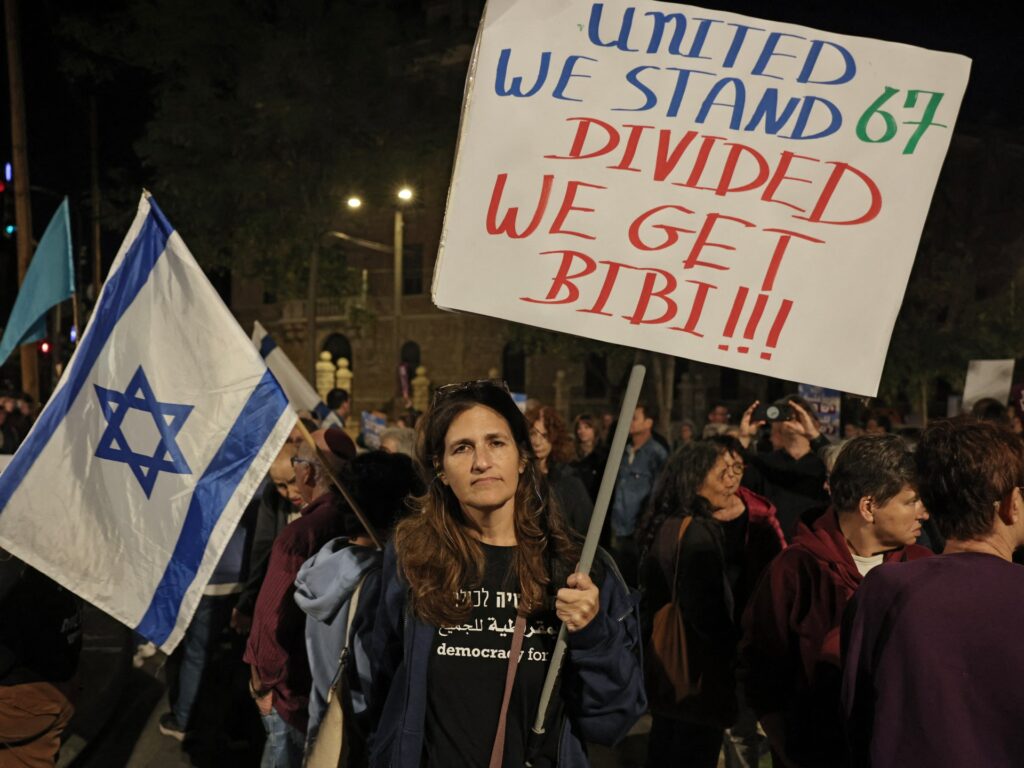
The political environment in Israel is characterized by a spectrum of parties with divergent agendas, ranging from right-wing to left-wing and centrist groups. The opposition, although sizable, remains divided on key issues, which could either hinder or facilitate coalition negotiations depending on the compromises each faction is willing to make.
Eisenkot’s potential success in forming a government will depend heavily on his ability to navigate these divisions and foster cooperation among disparate political entities. His military background might provide him with the skills needed to mediate and strategize effectively, but the political dynamics will require a nuanced approach to balance competing interests.
Key challenges include addressing the concerns of smaller parties that hold the balance of power in the Knesset, managing ideological differences among coalition partners, and presenting a coherent policy platform that appeals across the political spectrum.
The stakes are high, as the formation of a stable government is essential for Israel’s domestic policy-making and international relations. Eisenkot’s leadership during this critical juncture will be closely watched by both Israeli citizens and the global community.
Analysts suggest that if Eisenkot succeeds, it could mark a new chapter in Israeli politics, emphasizing pragmatic governance and potentially bridging gaps between polarized factions. Conversely, failure to form a government might lead to another election, prolonging uncertainty and political deadlock.
In conclusion, Benny Gantz Eisenkot faces a formidable challenge as he attempts to assemble Israel’s next government amid a divided opposition. His success or failure will not only shape the immediate political future of Israel but also influence the broader regional stability and international engagements in the coming years. The political landscape remains fluid, and all eyes will be on Eisenkot’s forthcoming negotiations and strategic decisions.