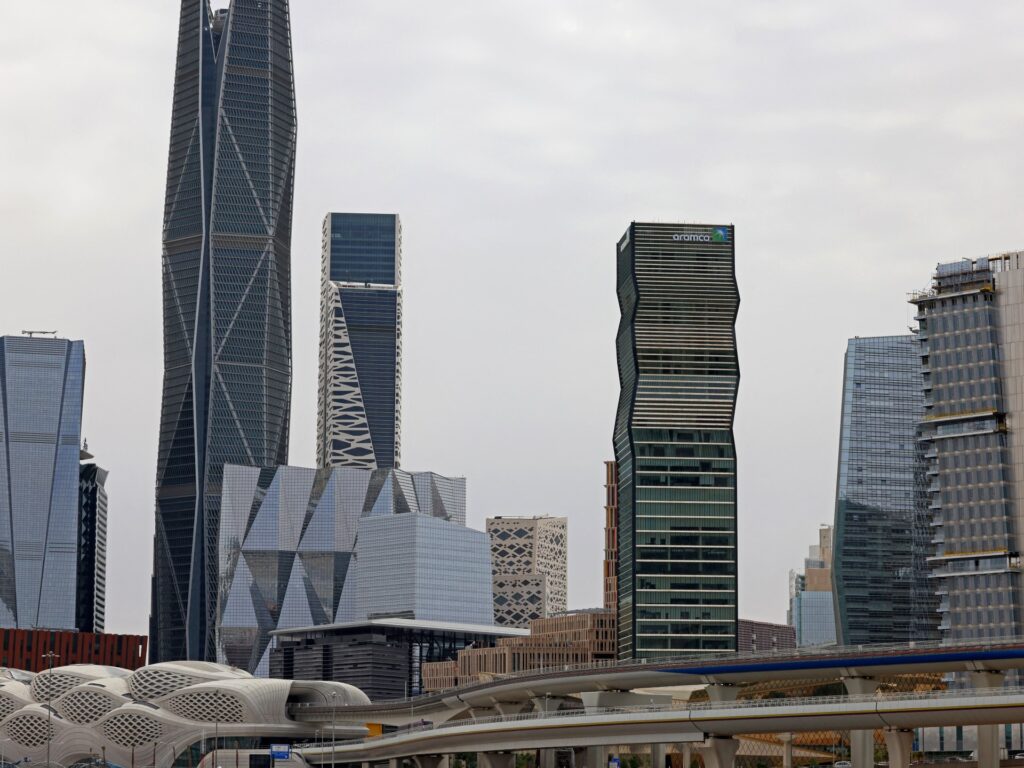
In a recent incident reported in Riyadh, the capital of Saudi Arabia, a building belonging to Saudi Aramco suffered damage due to an ‘attempted’ attack. According to statements from Saudi Arabia’s energy ministry, the damage occurred when falling shrapnel struck the building. The report was confirmed by state media, highlighting concerns over security. The ministry has not specified the source or method of the attack but characterized the event as an attempt, indicating that the building was not the primary target or that the attack did not fully succeed. Saudi Aramco, being one of the world’s largest oil producers, operates critical infrastructure in the kingdom, making its facilities sensitive and often guarded against threats. This incident adds to the growing concerns about the security of energy infrastructure amid regional tensions. Authorities in Riyadh are expected to investigate the matter thoroughly to identify the perpetrators and reassure the public and investors about the safety of the nation’s vital energy assets. The incident has not been linked to any casualties, and operations at the facility reportedly continue without major interruption. This event highlights the ongoing challenges faced by the Kingdom in safeguarding its key economic assets from both internal and external threats. Saudi Arabia has previously faced similar threats targeting its oil facilities, underlining the strategic importance of protecting the energy sector. International observers and energy markets are closely watching developments as any disruption in Saudi oil production could have significant global economic implications. The Saudi government is likely to enhance security measures following this incident to prevent any future attempts that could jeopardize the country’s energy supplies. Further updates are awaited as investigations proceed and additional details may emerge. This latest attack attempt is a reminder of the fragile nature of geopolitical stability in the region and the critical importance of securing essential infrastructure like that of Saudi Aramco.