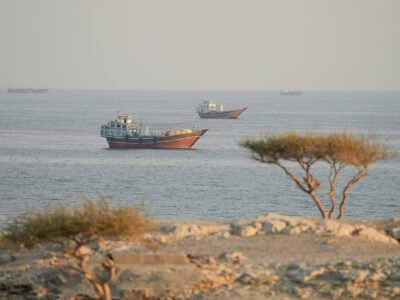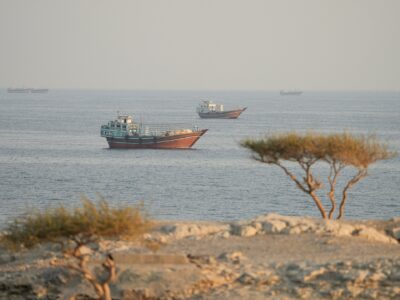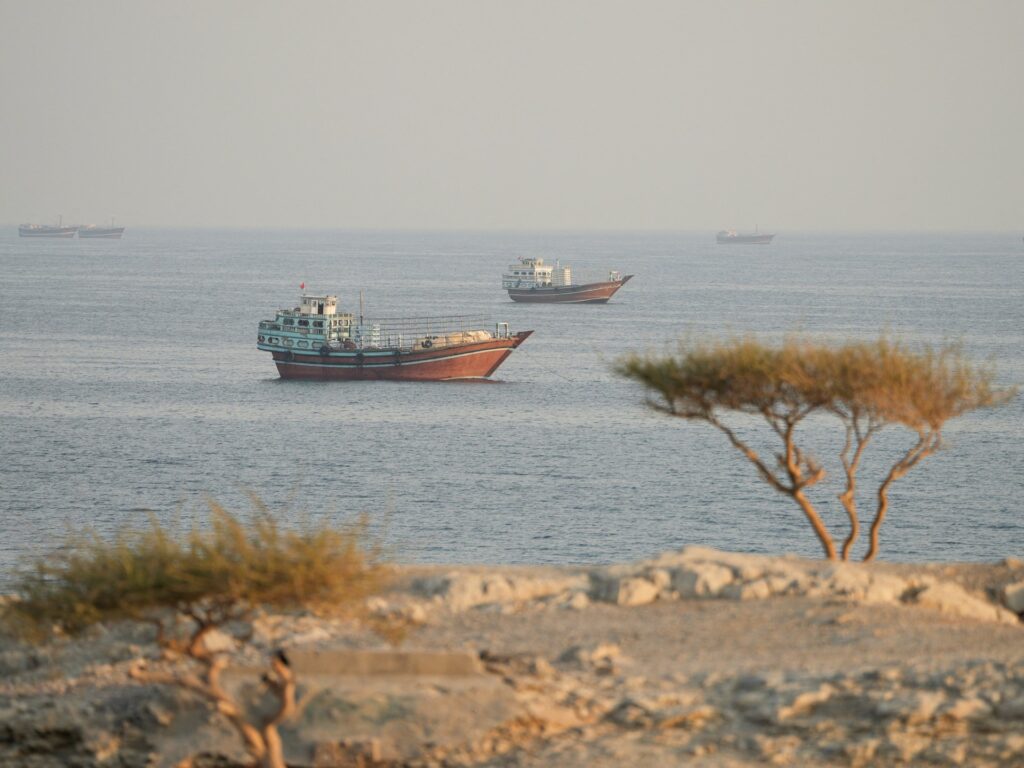
In a significant escalation amid ongoing tensions in the Middle East, Iranian state media have reported blasts in several key locations including Qeshm Island, situated in the strategic Strait of Hormuz, as well as in the cities of Jask, Sirik, and Bandar Abbas. These areas are critical maritime and military points for Iran, with Qeshm Island overlooking one of the world’s most vital oil transit chokepoints.
The blasts signal a potential intensification of conflict in the region, raising concerns about the stability of international shipping lanes and regional security. Qeshm Island, due to its location in the Strait of Hormuz, is a linchpin in global energy supplies, making any disturbances there particularly alarming to global markets and geopolitical actors.
Concurrently, reports indicate that the United States is taking strategic steps to block land supply routes, potentially as part of broader sanctions or military positioning against Iran. The US move aims to restrict Iran’s ability to move resources and supplies overland, which could be a response to Iran’s regional activities or to prevent further escalation.
The cities of Jask, Sirik, and Bandar Abbas, where the blasts were also reported, are significant port cities along Iran’s southern coast. These cities serve as logistical hubs for maritime traffic and military operations, and any disruption there could impact Iran’s capacity to project power and manage trade routes.
The international community is closely monitoring these developments, given their implications for regional security and global trade. The Strait of Hormuz is a narrow passageway between the Persian Gulf and the Gulf of Oman, through which a significant percentage of the world’s petroleum passes. Any conflict in this region could jeopardize energy security and heighten global tensions.
Iran’s response to these incidents and the US measures could potentially shape the trajectory of regional diplomacy and military engagements. Analysts suggest that these events might trigger emergency discussions within international bodies aimed at de-escalation and ensuring the free flow of maritime traffic.
The blasts and the US strategy collectively underscore the fragile nature of peace in the Middle East and the ongoing strategic contest between Iran and external powers, particularly the United States. The situation remains fluid, and further updates are expected as more information becomes available from both Iranian sources and international observers.