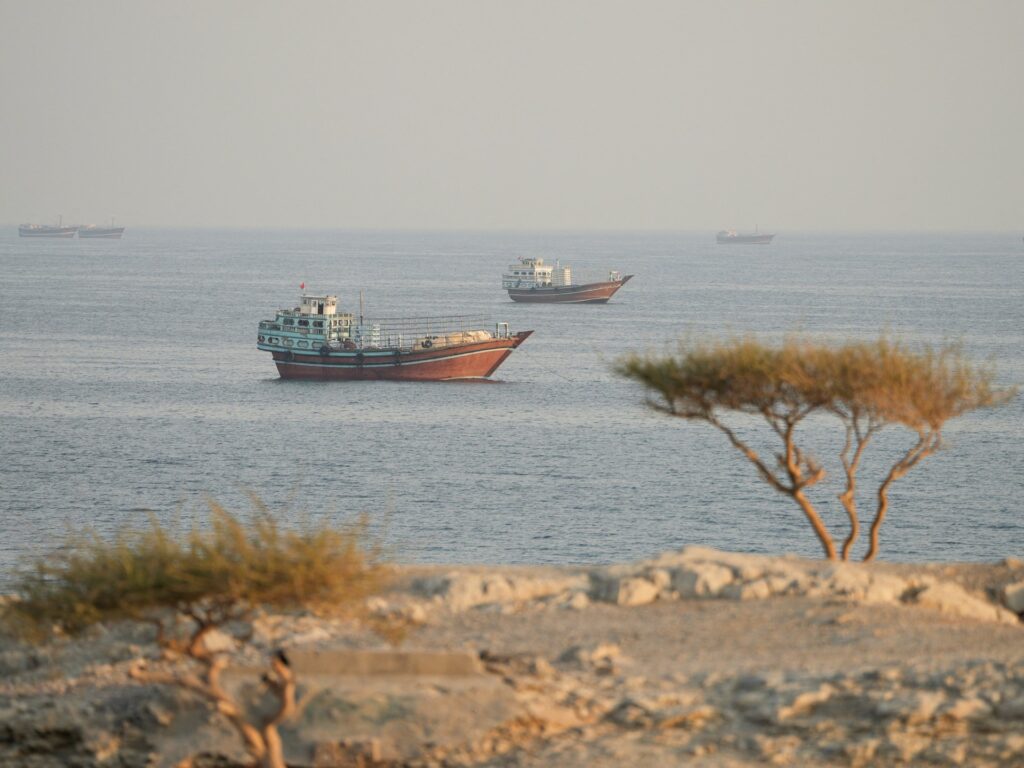
Recent reports from Iranian state media confirm multiple explosions on Qeshm Island, located strategically in the Strait of Hormuz, a vital passage for global oil shipments. The blasts have also been reported in the cities of Jask, Sirik, and Bandar Abbas, key locations along Iran’s southern coastline. These incidents come amid escalating tensions in the region, with the United States intensifying efforts to block land supply routes to Iran, aiming to curb the country’s military and strategic movements. Qeshm Island, situated in the narrow and geopolitically sensitive Strait of Hormuz, plays a crucial role in Iran’s security and economic landscape. The explosions are suspected to be linked to ongoing conflicts and could signify a significant escalation in hostilities. Iranian officials have yet to release a detailed statement on the cause or consequences of the blasts, but the strategic nature of the locations attacked indicates a targeted approach likely tied to regional power struggles. The US move to block land supply routes represents a critical step in its broader strategy to exert pressure on Iran, restricting the movement of goods, weapons, and other supplies that could enhance Iran’s operational capabilities. This blockade affects not only military logistics but also commercial trade routes vital for Iran’s economy, potentially leading to increased regional instability. The Strait of Hormuz, through which a significant percentage of the world’s petroleum passes, has been a flashpoint for tensions for decades, with numerous incidents involving naval forces and maritime traffic. These recent explosions raise concerns about the security of one of the world’s most crucial oil transit points, potentially impacting global energy markets. Analysts warn that such developments could provoke retaliatory actions by Iran, escalating the conflict further and threatening international maritime security. The international community is closely monitoring the situation, with calls for restraint and diplomatic engagement to avoid further deterioration of the conflict. Humanitarian concerns are also rising, given the possibility of civilian casualties and displacement due to the escalating violence. The strategic cities of Jask, Sirik, and Bandar Abbas, also targeted in the attacks, contribute to Iran’s control over the Strait of Hormuz and its surrounding maritime domains. Their targeting underscores the attackers’ intent to disrupt Iran’s influence and operational reach in the region. In response to the situation, several countries and international bodies have urged calm and negotiation, advocating for solutions that avoid military escalation. The US government’s blockade of land supply routes is expected to remain stringent as part of its broader sanctions and containment policy against Iran. Regional allies of Iran have expressed concern about the impact of these developments on regional stability and the potential for wider conflict. This unfolding situation underscores the fragile balance in the Persian Gulf region, where geopolitical rivalries and strategic interests intersect. As events develop, energy markets remain on edge, with potential implications for oil prices and supply chains worldwide. The world watches anxiously as the vacuum of security in the Strait of Hormuz threatens to destabilize not only Iran and its neighbors but global economic stability as well. Continued diplomatic efforts and dialogue are paramount to de-escalate tensions and prevent further conflict and humanitarian crises in this sensitive region.