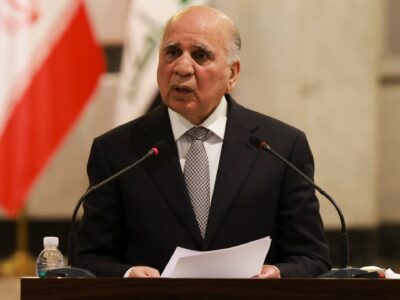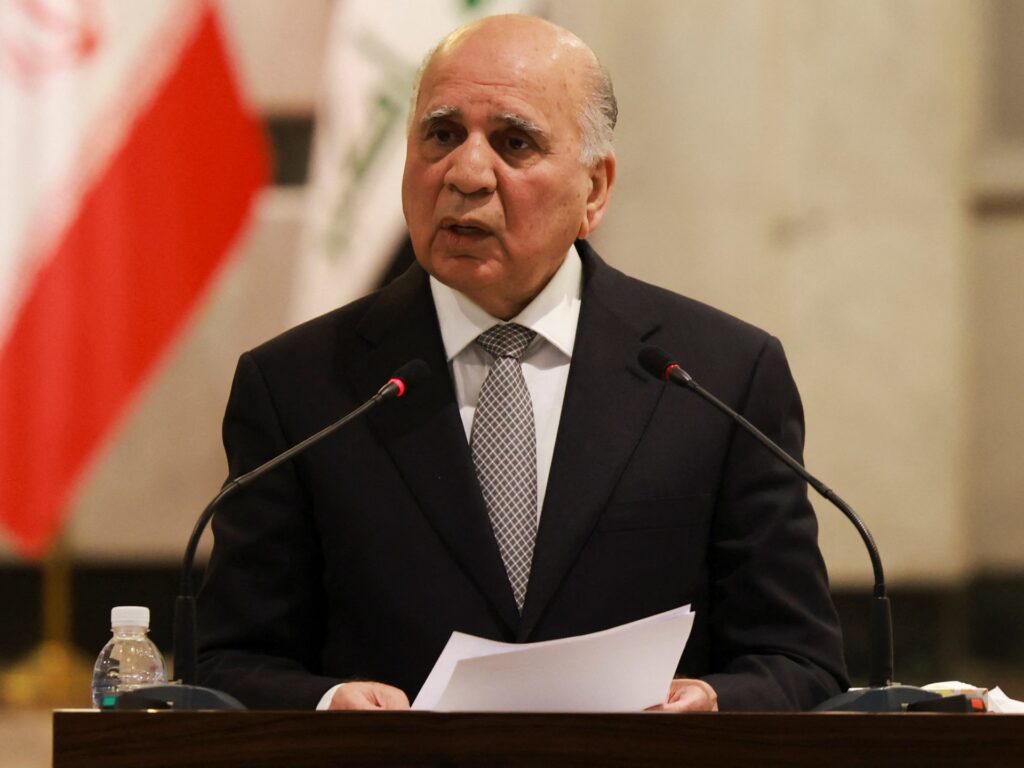
In a recent statement to Al Jazeera, Iraq’s Foreign Minister revealed that external parties are allegedly using Iraqi soil to launch attacks on neighboring Gulf countries. This development has escalated concerns over regional security and the sovereignty of Iraq’s territory.
The Iraqi government has reportedly initiated investigations into these attacks, emphasizing its commitment to maintaining peace and stability within its borders. Baghdad has condemned the exploitation of its land for hostile actions against other nations and reiterated its determination to prevent such incidents from occurring.
The Foreign Minister’s remarks came amid increasing tensions in the Gulf region, where various proxy conflicts and geopolitical rivalries have frequently drawn wider attention. Iraq, situated at the crossroads of these dynamics, finds itself in a delicate situation where foreign actors might attempt to use its territory to further their own strategic objectives.
These attacks, which have targeted Gulf states, underscore the complexities facing Iraq’s government in controlling unrest and militancy within its borders. Security officials in Baghdad are reportedly collaborating with international partners to identify those responsible and to ensure that Iraqi territory is not misused for aggression.
Experts warn that the involvement of external parties in using Iraqi soil complicates the security landscape, threatening not only Iraq but also the broader region. The Foreign Minister’s public acknowledgment marks a critical step toward transparency and accountability in addressing these challenges.
Iraq, recovering from years of conflict and striving for stability, faces a delicate balance in managing its relations with neighbors and external forces. The government’s investigation aims to uncover the mechanisms enabling these attacks and to implement measures that will bolster Iraq’s sovereignty and security.
This situation highlights the ongoing risks of regional proxy confrontations, where countries or groups may use third-party territories to conduct hostile operations. The Iraqi Foreign Minister’s call for vigilance and cooperation serves as a reminder of the need for collective efforts to uphold peace and prevent further escalation.
As Baghdad continues its inquiry, regional stakeholders are likely to watch closely, anticipating outcomes that could influence future diplomatic and security strategies in the Gulf and beyond. Iraq’s stance against the exploitation of its land is expected to resonate within international forums advocating for respect of national borders and peaceful coexistence.
In conclusion, the Iraqi Foreign Minister’s disclosure about the use of Iraqi soil by external parties to attack neighbors underscores the complex security challenges in the region. It prompts urgent action and cooperation to safeguard sovereignty, strengthen security frameworks, and promote lasting peace in Iraq and its neighboring countries.