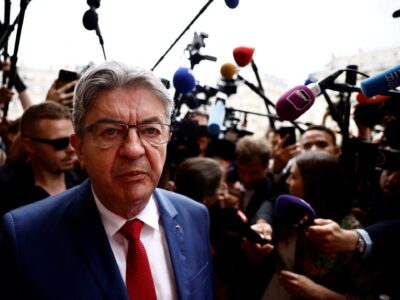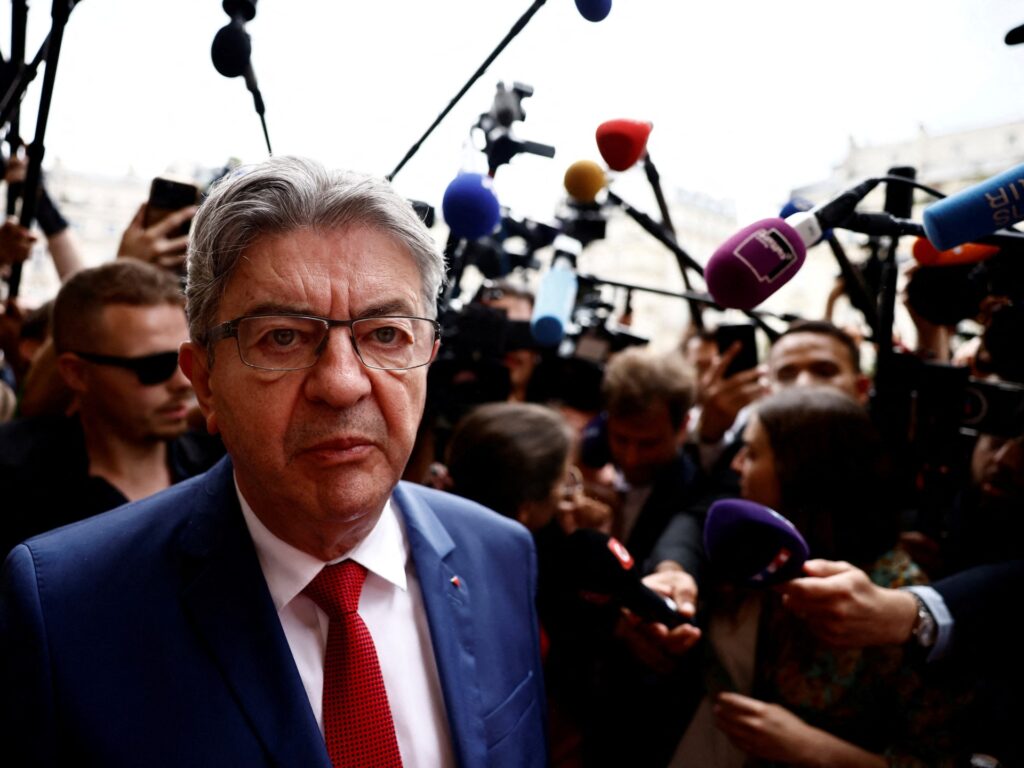
In the dynamic political landscape of France, Jean-Luc Mélenchon, the charismatic leader of the hard-left party La France Insoumise (France Unbowed), is capturing national attention as he solidifies his position as a serious contender in the upcoming 2024 presidential election. Known for his fiery rhetoric and uncompromising stance on social justice, economic reform, and environmental issues, Mélenchon evokes mixed reactions among the French electorate and political commentators alike.
Mélenchon’s rise from a perennial outsider to a front-runner has fueled heated debates across the political spectrum. His supporters hail him as a hero who champions the working class, advocates for wealth redistribution, and pushes a vision of France that prioritizes social equity and ecological sustainability. They appreciate his firm stance against austerity policies and neoliberal economic models, positioning him as a transformative figure who can challenge the establishment.
Conversely, critics label Mélenchon as a radical whose policies threaten economic stability and risk alienating moderate voters. Concerns about his approach to pension reform, tax policies, and his proposed restructuring of the French Republic into a Sixth Republic with sweeping institutional changes have sparked fears of political upheaval. His populist style and combative tone also generate apprehension about social divisions in a country still grappling with polarization.
This polarization was evident in recent public debates and interviews, where Mélenchon articulated a platform focused on increasing the minimum wage, implementing a wealth tax, withdrawing from NATO’s command structure, and developing a green economy. His commitment to invert economic priorities towards public welfare and environmental care represents a profound challenge to France’s traditional political order.
Political analysts point to Mélenchon’s ability to mobilize diverse segments of society—from young voters passionate about climate change to older, working-class citizens disenchanted with mainstream parties—as a key factor behind his surge in polls. His campaign messaging often centers on themes of dignity, justice, and sovereignty, appealing to voters dissatisfied with the status quo.
Despite the enthusiasm surrounding Mélenchon, formidable hurdles remain. The fragmentation of the left and the complex dynamics of France’s multi-round voting system could impede his path to the Élysée Palace. Additionally, the rise of other populist and right-wing candidates presents a crowded field that requires strategic coalition-building.
Mélenchon’s candidacy is reshaping the discourse of the 2024 presidential election, forcing other contenders to address issues of inequality, climate change, and democratic reform more vigorously. Whether seen as a radical insurgent or a heroic champion of the people, his impact on France’s political future underscores the evolving nature of its democracy and the deep societal questions it faces.
As France heads toward the presidential vote, the debate over Jean-Luc Mélenchon encapsulates broader tensions about progress, tradition, and the direction of the nation in an era marked by global challenges and domestic demands for change.