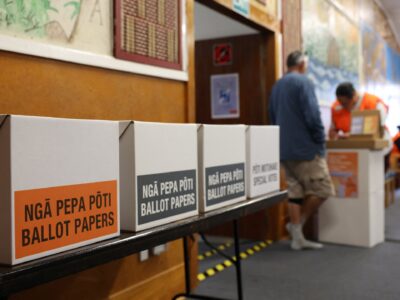
In a tense and closely watched election, the governing party in New Zealand is currently leading in the early vote counts, setting the stage for a potential knife-edge outcome. As the nation awaits the complete results, analysts and citizens alike are grappling with the uncertainty of the final distribution of seats.
The election has seen vigorous campaigns from multiple parties, each appealing to different segments of the electorate with promises and policy proposals tailored to New Zealand’s diverse population. Early indications suggest that no party will claim an outright majority, making coalition talks an essential factor in forming the next government.
The governing party’s early lead has sparked cautious optimism among its supporters. However, political commentators warn that these initial figures are not definitive and that the final tally could shift significantly once all votes, including special and absentee ballots, are counted.
The Closer Contest: These early results reflect a political landscape that is more divided than ever, with several smaller parties also making gains. This fragmentation could lead to complex coalition negotiations post-election, potentially affecting policy directions and governmental stability.
Public reaction has been mixed, with some voters expressing relief at their preferred party’s strong showing, while others remain anxious about what the results might mean for the country’s future. Issues such as economic management, healthcare, and climate change have been at the forefront of the debate, influencing voter decisions across different regions.
Internationally, observers are monitoring New Zealand’s election closely, recognizing its impact on regional politics and global diplomacy. The country’s approach to governance and policy under the incoming administration will be of keen interest.
In summary, New Zealand’s election has become a defining moment, marked by a razor-thin race that is far from decided. As the count continues, the nation’s focus will remain on understanding the implications of this democratic exercise and preparing for several possible outcomes in leadership and policy direction.