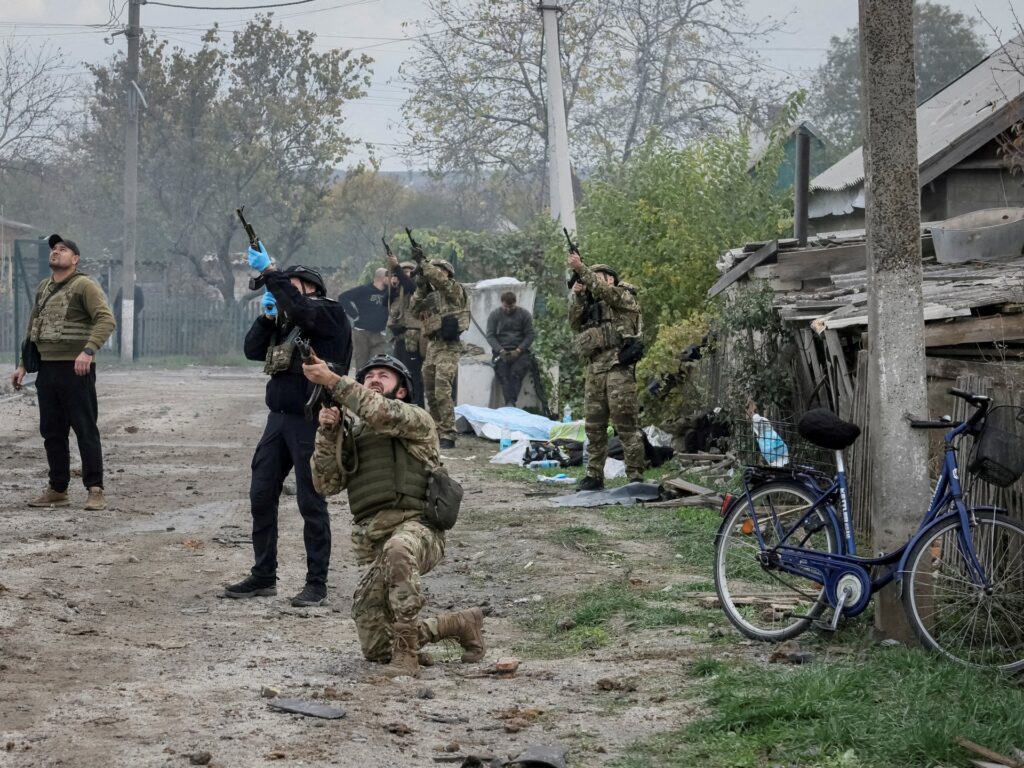
Recent developments in the conflict between Russia and Ukraine reveal significant challenges for Moscow, as its territorial gains in Ukraine are increasingly diminishing. Reports indicate that Russia’s military struggles are compounded by economic difficulties, particularly concerning its diesel trade.
According to sources, U.S. traders are reportedly refusing to honor a diesel supply deal made during Donald Trump’s presidency with Vladimir Putin. This refusal has resulted in a glut of unsold Russian diesel on the market, causing economic strain on Moscow’s war efforts. The inability to sell diesel has broader implications, as fuel is a critical resource for sustaining military operations and maintaining logistical support on the battlefield.
The situation marks a notable shift as Russia’s advances in Ukraine appear to stall and even retreat in some regions. Military analysts suggest that the combination of battlefield losses and diminished economic resources could severely impact Russia’s strategic capabilities.
Moscow’s diesel dilemma highlights the complex interplay between geopolitical conflict and global trade. The refusal of U.S. traders to continue the diesel deal underscores the influence of international economic pressures in the ongoing conflict.
This development also reflects the growing isolation of Russia in the global market, as sanctions and trade restrictions increasingly limit its ability to finance and sustain military actions. The stalling of diesel exports could exacerbate fuel shortages, affecting both domestic industries and military logistics.
Furthermore, the failure to uphold the diesel deal reportedly struck under the Trump administration adds a layer of diplomatic tension and illustrates the volatile nature of agreements amid geopolitical conflicts.
As the conflict persists, the economic repercussions faced by Russia may contribute to shifts in battle dynamics. U.S. and allied governments continue to monitor these developments closely, considering their implications for regional stability and the global energy market.
In summary, Russia’s dwindling territorial gains in Ukraine are increasingly linked to economic challenges, particularly the scarcity of buyers for its diesel fuel. The refusal of U.S. traders to honor a previous diesel deal with Putin signifies a critical economic hurdle. This scenario not only affects Russia’s military capabilities but also highlights the broader impact of economic sanctions and trade policy on the conflict. The ongoing interplay between battlefield losses and economic constraints may shape the future trajectory of the Ukraine conflict.