Paraguay is grappling with a severe banking crisis following the collapse of Ueno Bank, an event that has sent shockwaves through the country’s financial sector. This latest failure is not an isolated incident but part of a series of banking challenges that have exposed the fragility of Paraguay’s financial system.
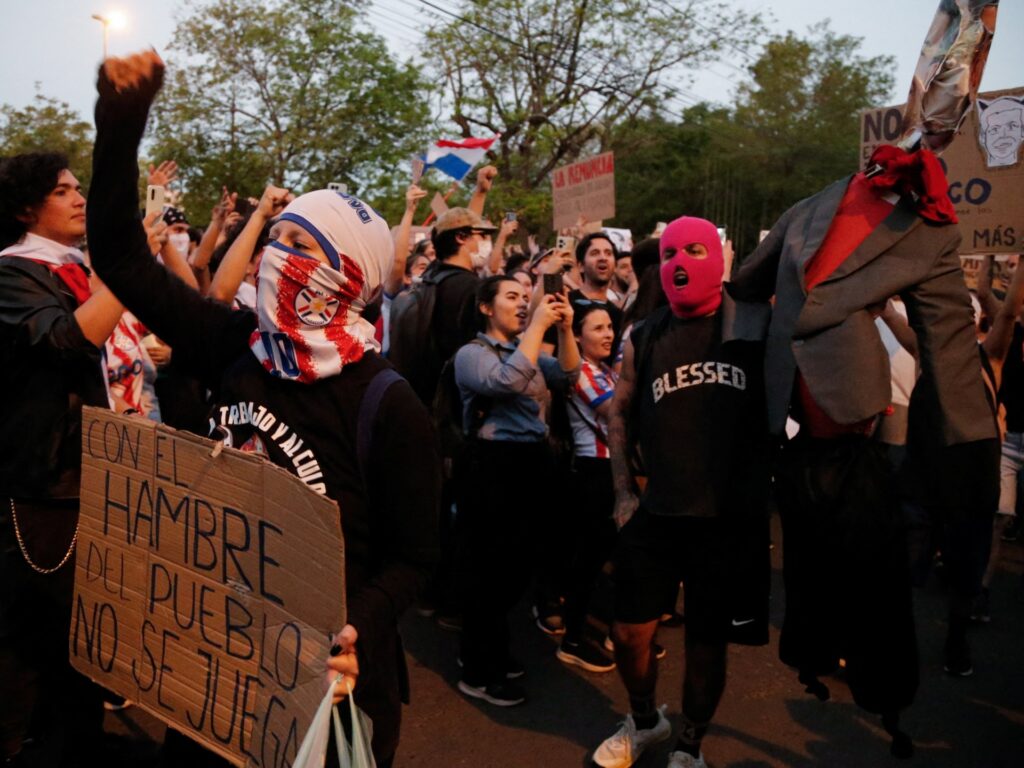
The collapse of Ueno, one of Paraguay’s prominent banks, has come under intense scrutiny due to its connections with political figures, most notably President Santiago Pena. Critics have raised serious concerns about the potential conflict of interest arising from the president’s alleged links to the parent company of the failed institution. These revelations have ignited public outrage and led to calls for greater transparency and accountability within the banking and political spheres.
Historically, Paraguay’s banking sector has been volatile, characterized by a lack of robust regulatory oversight and vulnerabilities to economic shocks. Ueno’s failure has underscored systemic weaknesses, including poor risk management practices and inadequate supervisory frameworks. The bank’s collapse has also highlighted issues related to corporate governance, with stakeholders questioning the roles and responsibilities of the management and board members.
Financial experts warn that the failure could trigger a domino effect, undermining public confidence in the banking sector and potentially leading to a liquidity crisis if not addressed promptly. The government now faces the daunting task of stabilizing the financial system and restoring trust amid growing political pressure.
President Pena, who assumed office with promises of economic reform and transparency, is under mounting pressure to address the fallout. His administration has pledged to conduct a thorough investigation into the circumstances leading to Ueno’s downfall and to implement reforms aimed at strengthening regulatory oversight.
The Ueno collapse also highlights the broader economic challenges facing Paraguay, including dependency on a limited number of economic sectors and exposure to external market fluctuations. The banking crisis could exacerbate these vulnerabilities, impacting credit availability and investor confidence.
In response to the crisis, the Central Bank of Paraguay has indicated measures to support affected institutions and improve regulatory mechanisms. However, experts emphasize that long-term solutions require comprehensive reforms in governance, risk management, and political accountability.
The unfolding crisis serves as a critical reminder of the intertwined nature of politics and finance in Paraguay and the urgent need for reforms to safeguard the stability of its banking system. As investigations continue and the government seeks to restore stability, the situation offers important lessons for emerging economies facing similar challenges.