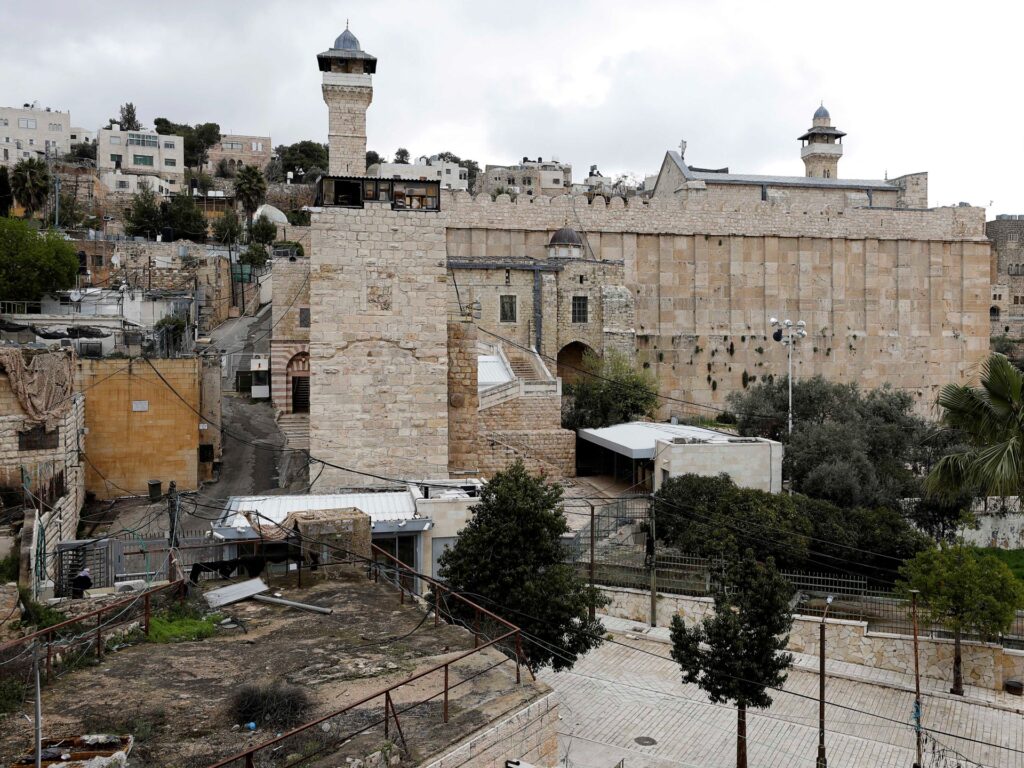
In a move that has intensified existing tensions in the West Bank, Israeli authorities have closed the Ibrahimi Mosque in Hebron to Palestinian worshippers during a Jewish holiday. This contested holy site, significant to both Muslims and Jews, has been reopened exclusively for Israeli visitors, further complicating the delicate situation in the region.
The Ibrahimi Mosque, also known to Jews as the Cave of the Patriarchs, sits at the heart of Hebron, a city with a long history of religious and political significance. The site is revered by both communities as the burial place of the biblical patriarchs and matriarchs. However, the division of control over the mosque has been a source of frequent conflict.
Under the recent Israeli decision, Palestinians have been barred from entering the mosque for the duration of the Jewish holiday, a policy that triggered widespread criticism and concern among Palestinian residents and international observers. The exclusive opening of the site to Jews is viewed by many as a form of closure and restriction on Palestinian access to their sacred place of worship.
This development is part of broader tensions surrounding the control and access to religious sites in the West Bank, an area that remains a flashpoint in the Israeli-Palestinian conflict. The closure to Palestinians represents a tightening of Israeli security measures during sensitive religious periods, but it also risks exacerbating divisions and fueling unrest.
Local Palestinian leaders have condemned the closure as a violation of religious freedom and an act of provocation. Many argue that such actions deepen mistrust and undermine efforts toward coexistence and peace in the region. The Palestinian Authority and advocacy groups have called on the international community to intervene and ensure that Palestinians retain their rights to worship freely in their holy places.
For Israelis, the reopening of the Ibrahimi Mosque exclusively for their worshippers is seen as a safeguard of Jewish religious rights amid security concerns. Supporters argue that the measure is necessary to prevent potential violence during holy days and to maintain order in a highly volatile environment.
The Israeli government maintains that these closures are temporary and strictly tied to specific security needs. Nonetheless, the policy highlights the ongoing struggles over sovereignty, religious freedom, and identity in Hebron—a microcosm of the larger Israeli-Palestinian conflict.
The closure of the Ibrahimi Mosque to Palestinians during Jewish holidays is a stark reminder of the fragile balance in the West Bank, where religious sites function simultaneously as places of worship and symbols of national and cultural identity. As both communities claim historical and spiritual connections, the management of these sacred spaces remains a critical point of contention.
International reactions have called for restraint and dialogue. Many urge Israel and the Palestinian authorities to engage in negotiations that respect the religious sensitivities of all parties and promote peaceful coexistence. Experts warn that continued exclusion and unilateral actions could lead to increased violence and diminish hopes for peace in the future.
The situation in Hebron reflects broader challenges facing the West Bank and the Middle East, particularly the intersection of religion, security, and politics. Religious sites like the Ibrahimi Mosque are not only places of faith but also touchstones for national identity and historical memory for both Israelis and Palestinians.
As the Jewish holiday concludes and the mosque’s status reverts, the underlying issues remain unresolved. The path forward will require careful negotiation, mutual respect, and a commitment to preserving the rights of all communities to access and worship freely at their holy sites.
In conclusion, the closure of Hebron’s Ibrahimi Mosque to Palestinians for Jewish holidays reinforces the complex and often contentious nature of religious and national claims in the region. It underscores the urgent need for diplomatic engagement and solutions that recognize and honor the diverse religious and cultural rights of Israelis and Palestinians alike.