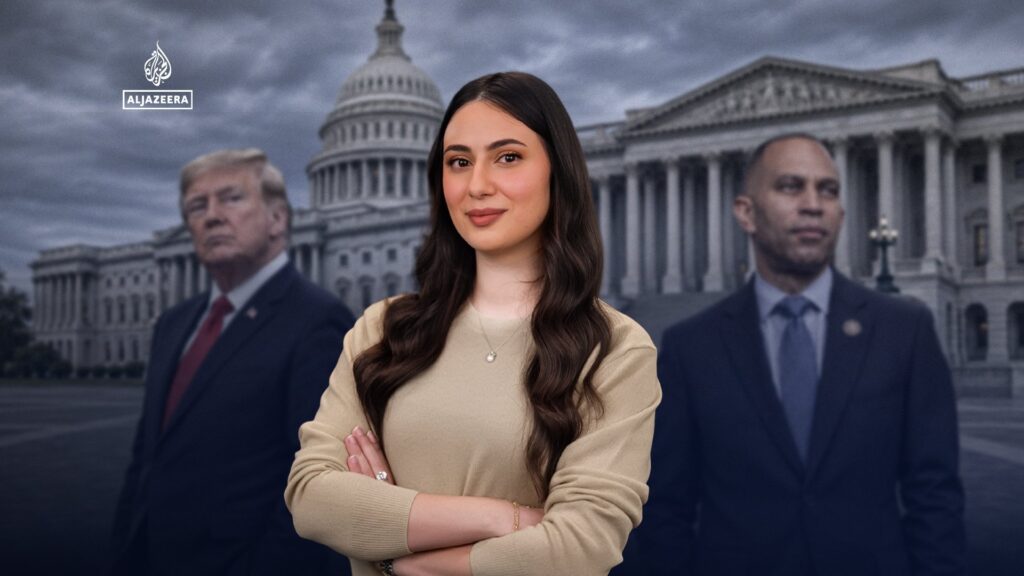
The relationship between the President of the United States and Congress is a defining feature of American governance, especially when the presidency and one or both chambers of Congress are controlled by opposing parties. During Donald Trump’s presidency, Democrats held significant portions of Congress at different times, raising questions about what they could realistically achieve in opposition or partial control. This article explores the powers and limitations Democrats faced in Congress during Trump’s administration and what changes they could enact regarding his decisions, policies, and presidency.
1. Understanding the Separation of Powers
The U.S. Constitution divides power among the Executive (President), Legislative (Congress), and Judicial branches. Congress can create laws, control budgets, and provide oversight, while the President executes laws and controls foreign policy and executive administration. This system ensures checks and balances but also means that legislative power held by Democrats in Congress comes with limits.
2. Legislative Influence
When Democrats held the House of Representatives from January 2019, they controlled the agenda in that chamber. This meant they could introduce and pass legislation to challenge or counteract many Trump administration policies, particularly on issues like immigration, health care, environmental protections, and spending priorities.
3. Budget and Appropriations Control
Congress holds the “power of the purse,” meaning they control federal spending. Democrats could influence where money goes—for example, refusing to fund certain Trump initiatives or prioritizing others. However, the Senate’s role in budget approval and Trump’s potential veto power limited how far Democrats could push.
4. Oversight and Investigations
The House, under Democratic control, launched numerous investigations into various aspects of the Trump administration, including Russian election interference, conflicts of interest, and impeachable offenses. These investigations can pressure the administration and bring issues to public attention, potentially leading to political consequences.
5. Impeachment Powers
One of the most direct ways Congress can check a president is through impeachment. The House of Representatives can impeach the president for “high crimes and misdemeanors,” while the Senate conducts the trial and votes on removal. Democrats impeached President Trump twice, first in 2019 and then in 2021, though the Senate did not convict him in either trial.
6. Legislative Gridlock and Veto Override Difficulty
Even if Democrats control one chamber, there must be cooperation with the Senate and the president for laws to take effect. With Republicans controlling the Senate for most of Trump’s term, passing laws was challenging. Overriding a presidential veto requires a two-thirds majority in both chambers, a difficult threshold.
7. Shaping Public Discourse
While Congress can legislate and oversee, much of their power also comes from shaping public debate. Democratic members used hearings, speeches, and media engagement to challenge Trump policies and galvanize public opinion.
8. What They Cannot Do Alone
Democrats in Congress cannot unilaterally remove President Trump from office without Senate conviction. They cannot pass laws without Senate agreement or bypass the president’s veto without large bipartisan support. Executive actions taken by the president can be slowed or countered through legislation but not stopped instantly.
9. Interactions with the Judiciary
Congress can influence appointments to the federal courts, which can eventually check presidential policies. However, judicial decisions often come long after policies are implemented.
In Conclusion
Democrats in Congress during President Trump’s administration had the ability to influence legislation, conduct oversight, hold the president accountable through impeachment, and shape public discourse. However, their ability to directly change Trump’s decisions or presidency was bounded by constitutional requirements, Senate composition, veto powers, and political realities. The balance of power calls for negotiation, strategic prioritization, and public engagement to pursue policy goals effectively amid divided government.