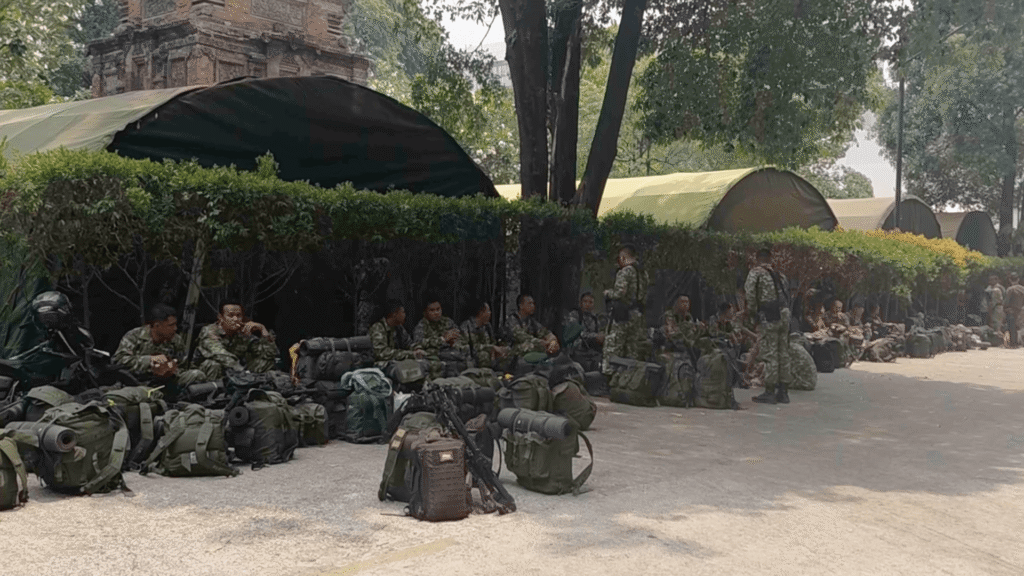
In a dramatic development, Indonesia has rushed thousands of troops to its capital, Jakarta, in response to a high-profile wiretapping scandal involving the country’s president. The scandal has sparked significant political tension and public unrest, leading authorities to increase military presence in the city.
The wiretapping allegations center around unauthorized surveillance activities allegedly aimed at the president, raising serious concerns about national security and the potential abuse of power within governmental agencies. Although details remain partly confidential as investigations proceed, the incident has triggered widespread scrutiny from opposition parties, activists, and the media.
Officials have stated that the deployment of troops is a precautionary measure to maintain order and protect critical governmental infrastructure while the investigation unfolds. Jakarta, often the epicenter of political demonstrations, has seen an uptick in protests related to the scandal, prompting concerns about public safety.
The president has condemned the wiretapping incident, promising a thorough and transparent inquiry into the matter. Meanwhile, intelligence agencies and law enforcement have been tasked with unraveling the perpetrators behind the illegal surveillance, with several suspects reportedly under investigation.
Experts suggest that the scandal could have far-reaching implications for Indonesia’s political landscape, potentially undermining public trust in state institutions. The deployment of troops, while intended to stabilize the situation, may also fuel further controversy about government overreach and civil liberties.
As the situation develops, citizens and international observers alike are calling for restraint, transparency, and respect for constitutional rights. The Indonesian government has assured the public that the crisis will be managed judiciously, aiming for a peaceful resolution that upholds democracy and national unity.
This unprecedented security buildup highlights the delicate balance between safeguarding the nation’s leadership and preserving the freedoms that underpin Indonesia’s democratic system. The coming weeks are expected to be critical as the investigation into the wiretapping scandal progresses, shaping the future political discourse and governance in the country.