Despite increased investments in Ghana’s housing sector, affordable housing remains elusive for many Ghanaians. Several factors contribute to this paradox where more money flowing into housing does not translate to accessible homes for the majority.
Firstly, the cost of building materials in Ghana is substantially high and continues to rise. Many essential inputs are either imported or produced locally at a high cost, which directly inflates the price of construction. This cost burden ultimately gets transferred to prospective homeowners, pricing many out of the market.
Secondly, financing options for housing in Ghana are limited and often come with high interest rates and stringent lending conditions. Credit facilities are mostly accessible to the wealthier segment of the population, leaving low and middle-income earners unable to afford mortgages or loans for home purchases.
Thirdly, Ghana has been experiencing rapid urbanization and population growth, leading to heightened demand for housing in major cities. This demand surge pushes prices upward, making homes less affordable despite investment efforts. The supply has not kept pace with this demand due to regulatory bottlenecks and insufficient infrastructure development.
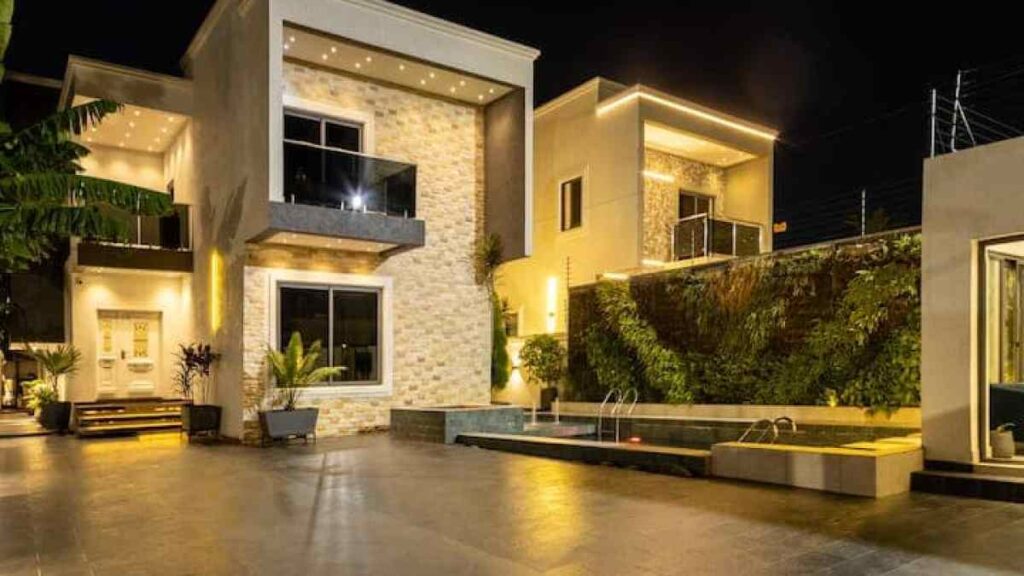
Moreover, much of the investment in housing has been skewed towards high-end and luxury properties aimed at affluent buyers or expatriates, rather than affordable housing that meets the needs of the average Ghanaian.
In addition, challenges such as ineffective land administration systems, bureaucratic delays in conveying titles, and corruption increase the costs and risks associated with housing projects. These factors discourage developers from focusing on affordable housing.
The government has attempted to address these issues with policies and initiatives like the National Housing Policy and Public-Private Partnerships in housing development. However, the impact has been limited without deeper structural reforms to reduce material costs, improve financing access, and streamline land acquisition processes.
In conclusion, although investment inflows into Ghana’s housing sector have increased, affordability remains constrained due to high construction costs, limited financing, rising demand driven by urbanization, and a focus on upscale developments. Solving the affordability challenge requires a comprehensive approach that addresses these systemic obstacles to ensure housing investments translate into genuinely affordable homes for Ghanaians.