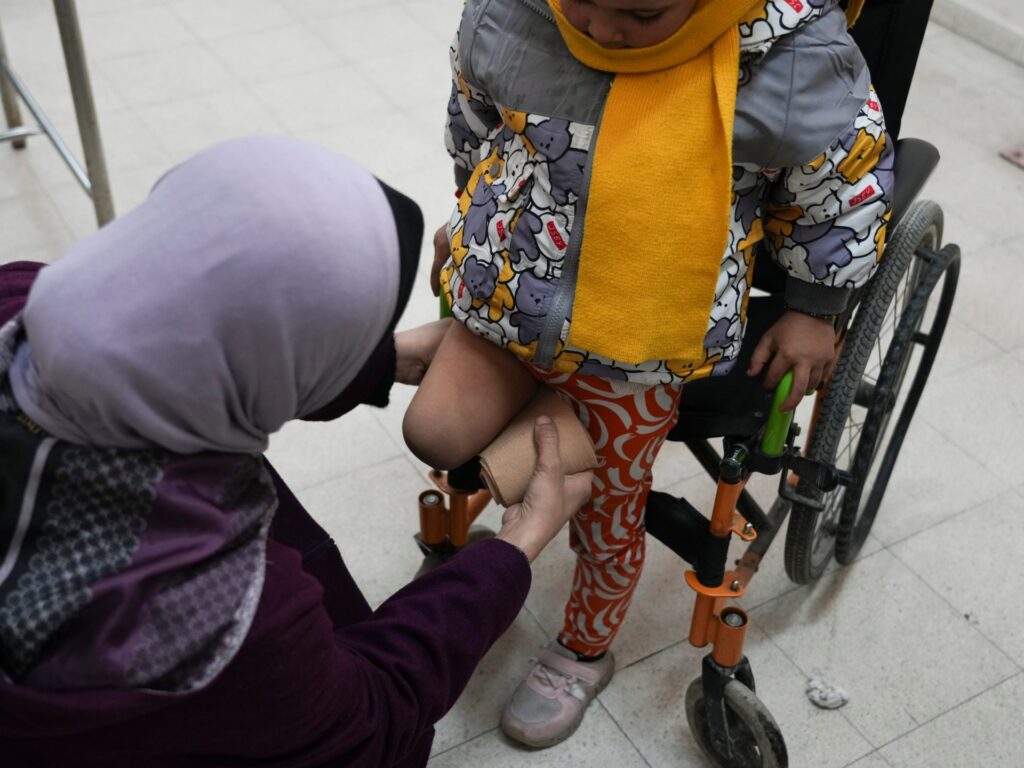
A non-governmental organization (NGO) has brought to light a grave humanitarian concern involving Israel’s restrictions on medical travel and evacuations affecting children in Gaza. According to the report, approximately 1,100 child amputees in Gaza are being denied access to necessary medical treatment abroad due to stringent Israeli policies.
The Gaza Strip, a densely populated region under blockade and frequent conflict conditions, faces numerous healthcare challenges, including limited medical resources and facilities. This situation is exacerbated for children with severe injuries, such as amputations, who require specialized care that local healthcare infrastructure cannot adequately provide.
Israel’s restrictions on travel permits and medical evacuations prevent these injured children from receiving advanced medical treatments overseas, which could significantly improve their quality of life and rehabilitation outcomes. These policies include rigorous control over border crossings and strict limitations on the issuance of permits for medical travel.
Medical experts stress that timely and specialized intervention is critical for child amputees to prevent complications and enhance mobility through prosthetics and physical therapy. The lack of access to such care not only prolongs suffering but also compromises the long-term physical and psychological development of these young patients.
Human rights organizations have condemned these restrictions, highlighting them as a violation of children’s rights to health and proper medical care. They argue that humanitarian considerations should override political and security concerns, urging all parties involved to facilitate unimpeded medical evacuations.
Moreover, this situation underscores the broader humanitarian crisis in Gaza, where blockades and conflict have severely strained healthcare systems. International calls for easing restrictions and increasing medical aid continue to grow, with emphasis on protecting vulnerable populations, especially children.
Israeli officials, however, maintain that security concerns necessitate strict controls on travel and entry to prevent potential threats. They assert that every request for medical travel is carefully scrutinized and that approvals are given when security conditions permit.
In light of these developments, the international community is urged to engage in dialogue aimed at balancing security with humanitarian needs. This includes exploring alternative arrangements to provide medical care for Gazan children through third-party countries or international medical missions within the region.
The situation of the 1,100 child amputees in Gaza epitomizes the intersection of healthcare, human rights, and geopolitical tension. It calls for urgent attention and action to ensure that innocent children can access the care they desperately need without being caught in the crossfire of political conflict.