In a tragic escalation amid the ongoing conflict, Ukrainian authorities have raised the death toll from a recent Russian missile strike on the town of Komyshuvakha in the Zaporizhia region to 40 people. The attack caused significant destruction, and rescue teams are urgently searching for survivors beneath the rubble, although the exact number of those still trapped remains unknown.
Komyshuvakha, a small town in the southeastern part of Ukraine, has borne the brunt of the recent violence as the conflict intensifies. The missile strike, which targeted residential areas, has left multiple buildings destroyed or severely damaged, leaving many civilians vulnerable.
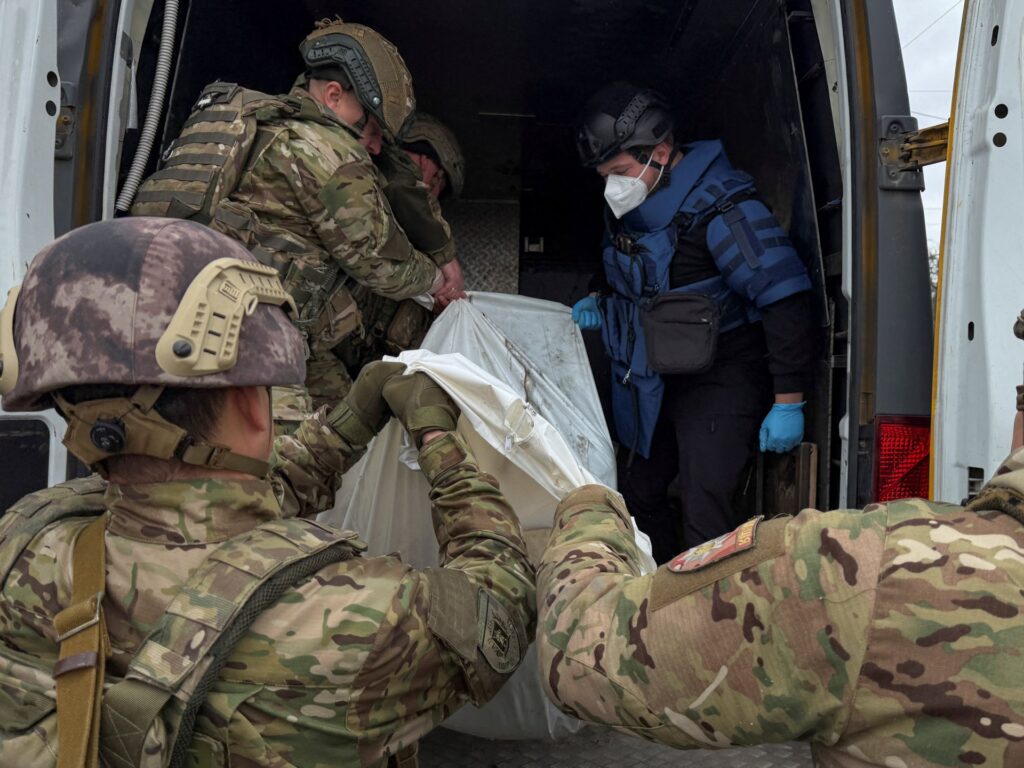
Emergency responders and volunteers have been tirelessly working against the clock to locate and extract survivors from the debris. Their efforts are complicated by continuous security threats, including interruptions caused by Russian drones hovering overhead. These drone incidents have at times forced rescue operations to pause for the safety of the personnel involved.
Despite the challenges, rescue teams are determined to continue their mission, focusing on saving as many lives as possible. The use of advanced search and rescue equipment, along with canine units, has been deployed to improve the chances of locating survivors trapped under the rubble.
The strike has sparked international concern and condemnation, highlighting the severe impact of the conflict on civilian populations in affected areas. Local officials have called for increased humanitarian support to cope with the aftermath of the attack and to assist with the ongoing rescue and recovery operations.
The Governor of Zaporizhia region emphasized the urgency of the situation, stating that “every minute counts” in the search for survivors. He also reiterated the commitment of Ukrainian forces and emergency services to protect civilians and bring aid to those affected.
Medical teams in nearby hospitals are preparing to treat the injured, with resources being mobilized to ensure adequate care despite the strain placed on healthcare facilities by the continuous conflict.
Meanwhile, the international community watches closely as the situation develops, with calls for a ceasefire and renewed diplomatic efforts to end hostilities. The attack serves as a stark reminder of the human cost of war, particularly for non-combatants caught in the crossfire.
As rescue operations continue amidst drone threats and unstable conditions, the hope remains that more survivors will be found and that the affected communities can begin the long process of recovery and rebuilding in the wake of this devastating event.