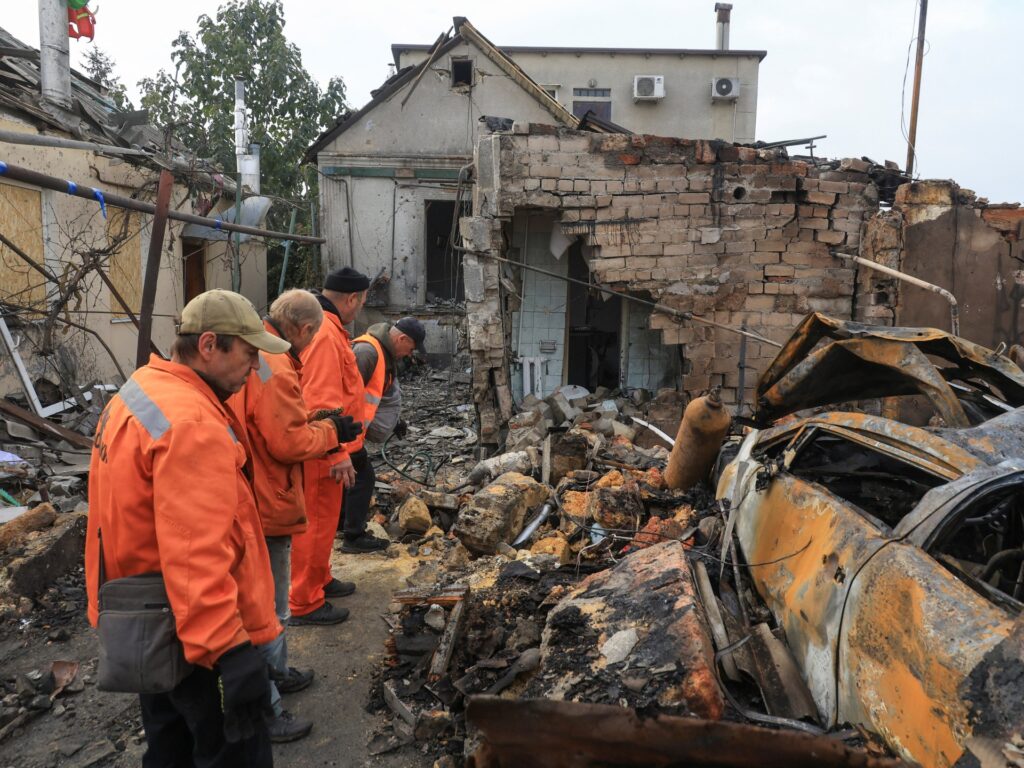
In the ongoing conflict between Russia and Ukraine, recent Ukrainian strikes have led to casualties and disturbances in Russia’s Belgorod region. These attacks have resulted in the deaths of three individuals, exacerbating the tensions in an already volatile zone.
The Belgorod region, which borders Ukraine, has been a focal point of cross-border hostilities, making it a critical area in the broader conflict. Ukrainian forces have targeted this area, possibly aiming to strike logistical and military positions, thereby sending a strong message to Russian forces.
Simultaneously, Russian retaliation efforts have also been significant. Russian strikes have caused power outages in multiple Ukrainian cities, crippling essential services and creating hardships for civilians. The disruptions to infrastructure highlight the intensity and strategic nature of the ongoing warfare.
Moreover, Moscow has claimed a noteworthy defensive success by downing approximately 700 Ukrainian drones across several Russian regions. This high number suggests a sustained and large-scale use of drone technology by Ukraine in its military operations.
The use of drones by Ukraine likely serves multiple purposes, including reconnaissance, targeted attacks, and disrupting supply chains. On the other hand, Russia’s ability to intercept such a volume of drones underlines their investment in air defense systems to counter modern warfare threats.
The conflict, marked by attacks, counterattacks, and technological exchanges such as drone warfare, demonstrates the evolving battlefield dynamics. Both sides appear to be escalating their tactics and capabilities, impacting not only military targets but also civilian populations.
In conclusion, the recent developments in the Belgorod region and the broader use of drones signify a deepening and intensifying conflict. These actions increase the urgency for diplomatic efforts to find a sustainable resolution to the war, as the humanitarian consequences continue to mount on all sides.