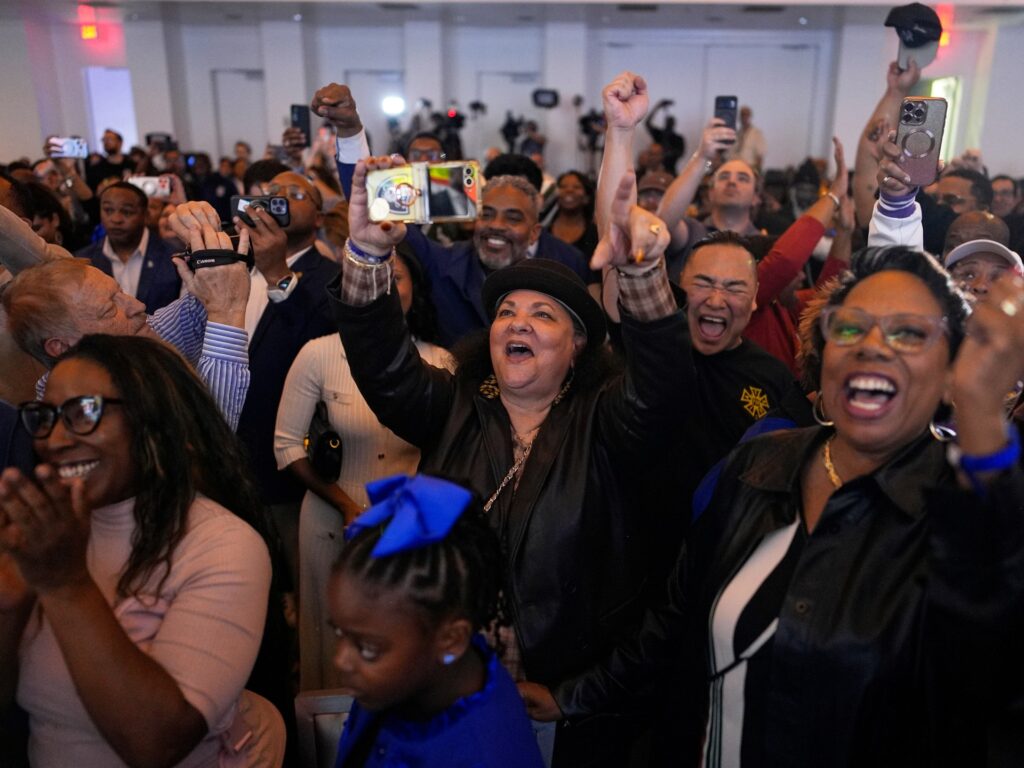
The 2022 US midterm elections have triggered what many global observers are calling a “seismic shift” in American and international politics. The results, which saw significant gains for the Democratic Party, notably in taking control of Congress, have elicited a wide range of reactions from international leaders and political analysts.
At the heart of the reaction is Iran’s top negotiator, who interpreted the voting outcomes as a strong message from the American electorate: a resounding “NO TO WAR.” This statement reflects a broader hope among many foreign governments and global citizens that the change in congressional power could lead to a foreign policy reduction in military confrontations and a pivot towards diplomatic engagements.
The US midterm elections are often viewed as a referendum on the sitting president’s administration, and this cycle was no exception. The gains by the Democratic Party are seen as a check on the presidency, particularly over issues such as foreign policy, economic management, and social justice.
Trump’s Democratic opponents’ victory in securing the House and Senate marks a significant political recalibration. Historically, the party in opposition gains seats in midterms, but the scale and implications of this shift suggest a deeper transformation in the US political landscape.
Internationally, experts are analyzing what this means for US relations across the globe. A change in Congress could translate to pivotal shifts in policies regarding trade agreements, climate change commitments, and international security partnerships.
Several countries have expressed cautious optimism, hoping the new balance of power will bring stability and more predictable engagement from the United States.
Meanwhile, analysts within the US note that while the change in congressional power is significant, it will require negotiation and compromise to translate electoral success into enacted policy. The divided government will test the legislative agility of both parties amidst pressing domestic and international challenges.
The sentiment echoed by Iran’s negotiator highlights a key narrative: US voters are weary of prolonged conflicts and are seeking leadership that prioritizes peace and diplomacy.
In conclusion, the 2022 US midterm elections have not only reshaped the internal political dynamics but have also signaled potential shifts in the US’s role on the global stage. As nations watch closely, the votes cast by Americans may usher in an era of recalibrated foreign policy and renewed international collaboration.