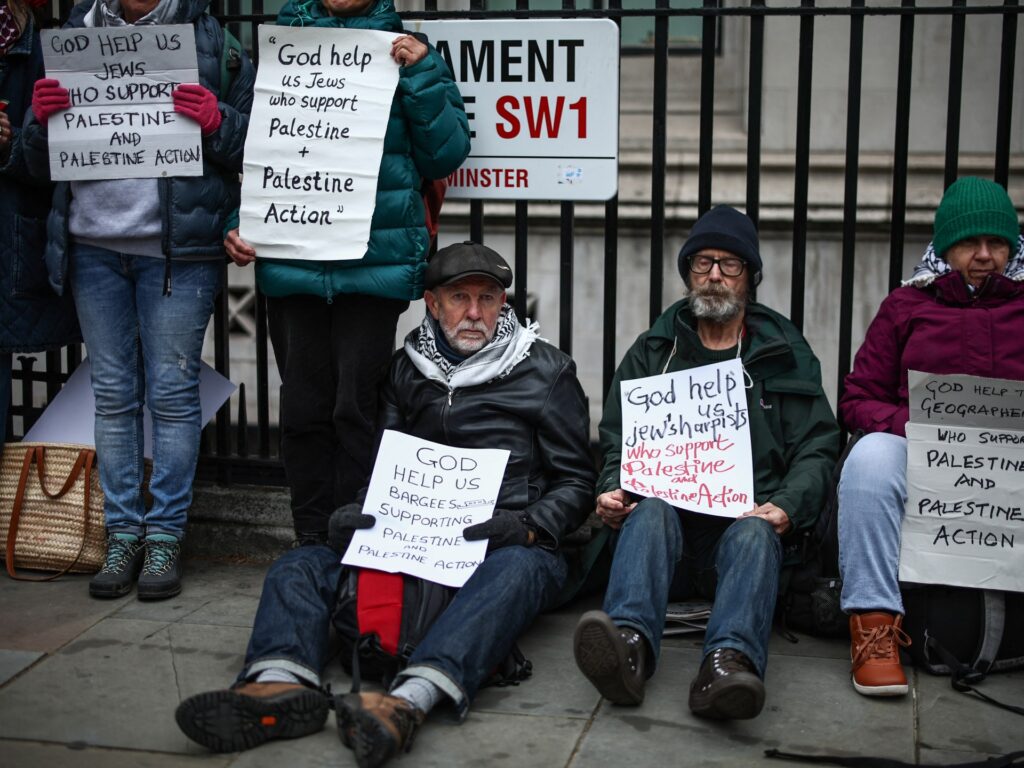
The UK Supreme Court has begun hearing an appeal challenging the government’s decision to proscribe the activist group Palestine Action. This legal proceeding marks a significant moment for rights activists and civil society organizations concerned about the scope and application of anti-terrorism laws in the UK.
Palestine Action, a group known for its direct actions and protests against Israeli arms manufacturers and related facilities within the UK, was banned under the UK’s terrorism legislation. The group’s activities have included occupations and disruptions aimed at drawing attention to the Palestinian cause and advocating for human rights.
Rights activists and legal experts argue that the decision to classify Palestine Action as a terrorist organization represents a severe misuse of anti-terrorism powers. Critics assert that the government’s move conflates legitimate protest and activism with terrorism, setting a dangerous precedent for the restriction of civil liberties and freedom of expression.
The proscription means that membership or support for Palestine Action is now a criminal offense, potentially leading to fines or imprisonment. This development has led to widespread criticism from various human rights groups, who emphasize that non-violent activism should not be equated with terrorism.
Supporters of Palestine Action argue that their campaigns are peaceful and focused on raising awareness about the human rights violations in the Palestinian territories. They claim that the proscription undermines the right to protest and stifles political dialogue on a critical international issue.
The government’s rationale for the listing cites concerns about violence and the potential for public disorder. However, opponents contest this characterization, maintaining that the group’s methods, while disruptive, have not involved violence or terrorism.
The UK Supreme Court’s decision on this appeal will be closely monitored as it could have far-reaching implications for political activism, protest rights, and the use of terrorism legislation against organizations engaged in social and political advocacy.
This case highlights the ongoing tension between state security measures and the protection of democratic freedoms. As the hearing continues, the outcome may clarify the boundaries between lawful dissent and the criminalization of activism.
Rights activists stress the importance of safeguarding civil liberties and warn against expanding terrorism powers in a manner that could suppress legitimate political engagement and dissent.
The appeal represents a critical test of the UK’s commitment to upholding human rights standards while addressing national security concerns. The decision is expected to resonate beyond the immediate parties, influencing how governments balance security and freedom in democratic societies.