Uganda is witnessing an escalating crackdown on online critics, marked by alarming reports of abductions, intimidation, and widespread fear among the digital community. As the government intensifies actions against dissenting voices on social media, many Ugandans who openly criticize the regime face severe consequences, including mysterious disappearances and harassment.
Critics of the Ugandan government, particularly those active on platforms like Twitter and Facebook, report being targeted by state security agencies. Families of the missing have come forward, sharing harrowing stories of relatives who vanished after posting politically charged content online. These disappearances have sparked outrage locally and internationally, as human rights organizations demand accountability and transparency.
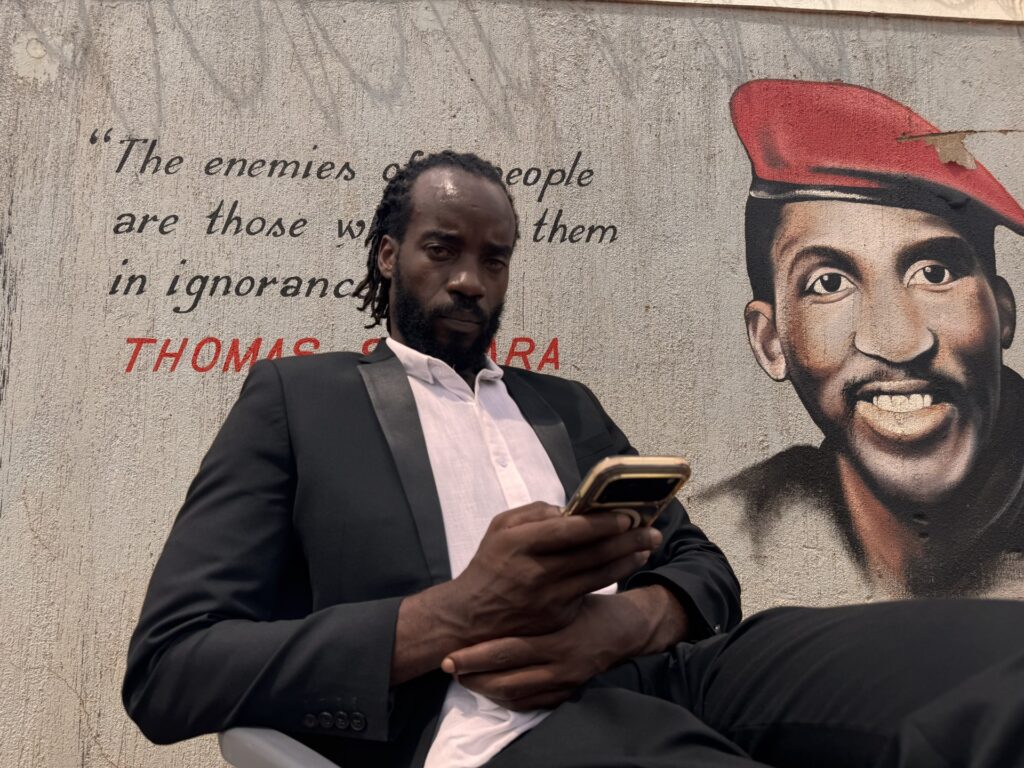
One of the most resolute voices amidst the crackdown is a vocal online critic who declared, “I will not delete my posts,” signaling defiance against growing state pressure. This stance highlights the broader struggle for freedom of expression in Uganda, where digital spaces once celebrated for openness are now fraught with danger.
The government’s justification centers on combating misinformation and preserving national security. However, critics argue that these measures are veiled attempts to silence opposition and suppress dissent. Reports indicate that individuals have been abducted late at night, often while at home, and taken to undisclosed locations where they are subjected to intimidation tactics.
The online crackdown has also caused ripple effects across families and communities. Relatives of the missing not only endure emotional trauma but also navigate a labyrinth of bureaucratic hurdles in seeking information or justice. Some have staged protests demanding the release of their loved ones, only to face further harassment from authorities.
International watchdogs and human rights activists have condemned the Ugandan government’s approach. They call for immediate investigations into the disappearances and urge the government to respect freedom of speech and human rights obligations. Advocacy groups emphasize the need for safe digital environments where citizens can express their views without fear.
Despite the risks, many online critics persist in their activism, leveraging encrypted channels and anonymous accounts to continue their work. This resilience underscores the enduring demand for democratic freedoms and transparency in Uganda.
The current situation paints a grim picture of Uganda’s digital landscape, where fear and repression threaten to stifle the very essence of free expression. As families await answers about missing loved ones, the struggle between state control and individual rights intensifies, making Uganda a focal point in the global conversation about internet freedom and human rights.