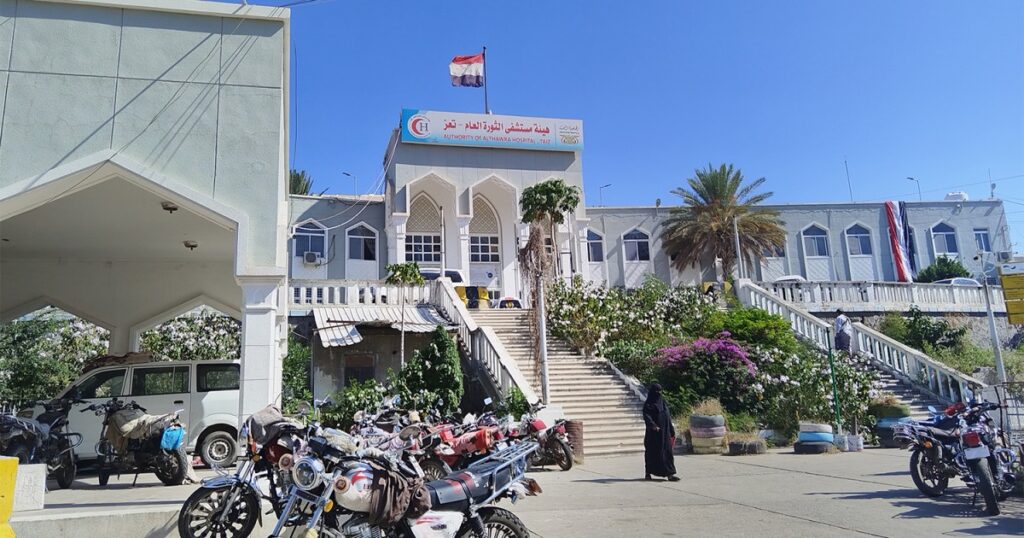
For over a month, the city of Taiz in Yemen has been under a brutal siege imposed by Houthi forces, transforming life for its residents into a nightmare. This persistent blockade has effectively cut off essential supplies such as food, water, fuel, and medical provisions from reaching the besieged population.
Taiz, one of Yemen’s largest urban centers, has been caught in the crossfire of ongoing conflict for years, but this recent siege has intensified the humanitarian crisis exponentially. The city’s roughly 600,000 inhabitants are now struggling to survive amid dwindling resources and escalating dangers.
Humanitarian agencies have issued urgent warnings about a looming catastrophe. The blockade is restricting the delivery of vital aid, leading to acute shortages and causing widespread suffering among civilians, especially the most vulnerable: women, children, and the elderly.
Food scarcity has become a dire concern as markets run empty and prices soar beyond the reach of many families. Malnutrition is spreading rapidly, amplifying the risk of disease and death. Water, a critical resource, is also scarce due to damage to infrastructure and limited access, forcing people to rely on unsafe sources and increasing the threat of waterborne illnesses.
Fuel shortages have led to a breakdown in transportation and electricity generation, further crippling healthcare facilities that are already facing shortages of medicines and basic equipment. Many hospitals and clinics are overwhelmed and unable to provide adequate care to patients, including those wounded in the conflict or suffering from chronic illnesses.
Local residents describe scenes of despair and exhaustion amid constant fighting, which has also caused destruction to homes and public infrastructure. Reports highlight the psychological toll on the population, with widespread trauma and hopelessness permeating daily life.
International organizations and governments have called on the Houthis to lift the siege and allow unhindered humanitarian access to Taiz. They emphasize that political disputes should never come at the cost of civilian lives and stress the need for urgent intervention to prevent an even greater catastrophe.
Efforts to broker ceasefires have been intermittent and fragile, with repeated violations making delivery of aid precarious and inconsistent. The humanitarian situation remains precarious, and the residents of Taiz face an uncertain future unless the siege is broken and relief reaches the city.
In conclusion, the monthlong siege of Taiz by Houthi forces has created one of Yemen’s most acute humanitarian emergencies. Critical shortages of food, water, fuel, and medical supplies have left its population trapped in dire conditions akin to a living hell. The international community’s urgent response is crucial to alleviate suffering and prevent further loss of life in this troubled region.