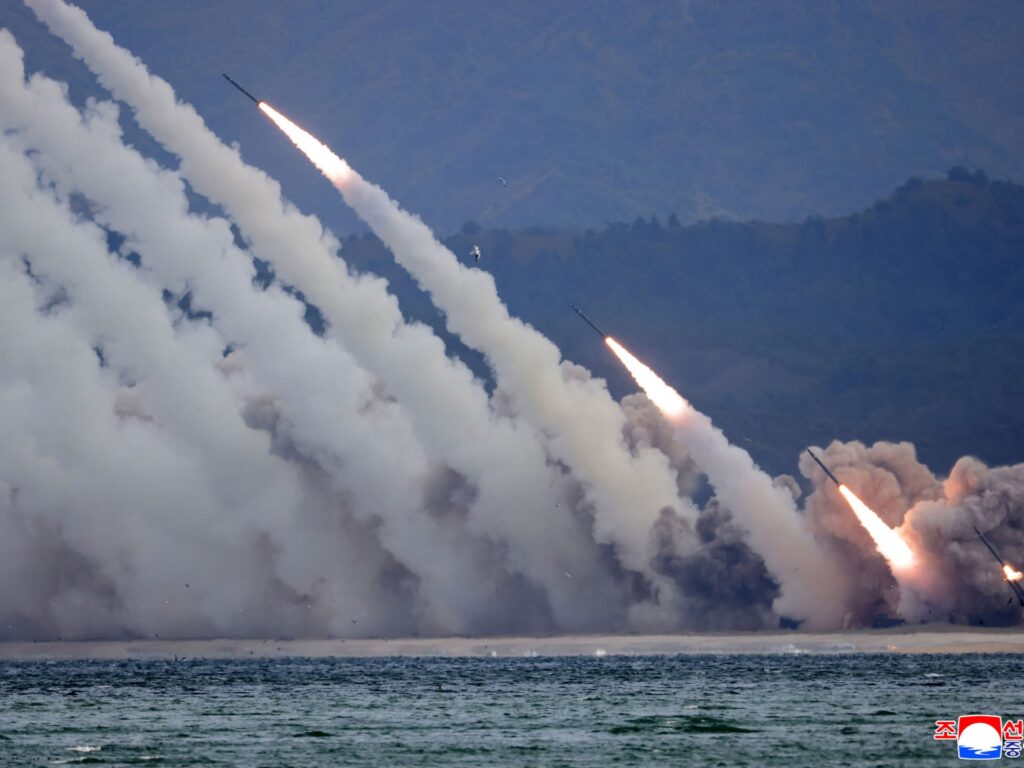
In recent developments that have heightened geopolitical tensions, North Korea has reportedly launched multiple missiles, signaling an assertive stance amid ongoing global disputes. Concurrently, Pyongyang has firmly denied allegations made by the United States accusing it of orchestrating a significant cyber-theft involving over $6 billion worth of cryptocurrency assets, primarily targeting Binance, one of the world’s largest cryptocurrency exchanges.
The situation escalated further when Kim Yo Jong, North Korea’s influential political figure and sister of Supreme Leader Kim Jong Un, publicly refused any form of dialogue with the United States. This declaration came shortly after North Korea categorically denied US claims of their involvement in hacking activities that led to an unprecedented theft of digital assets.
The US government has been actively investigating the breach that compromised Binance’s security, resulting in what is described as one of the largest cryptocurrency thefts to date. Washington accuses the North Korean regime of leveraging cyber capabilities to circumvent sanctions and fund its activities through illicit means.
North Korea’s missile tests are seen by analysts as a demonstration of strength and a possible reaction to the increasing pressure from the US and its allies. The timing of these missile launches, coupled with the outright rejection of diplomatic engagement by Kim Yo Jong, signals a deteriorating relationship between Seoul, Washington, and Pyongyang.
Experts suggest that North Korea’s denial and missile activities are part of a broader strategy to maintain internal cohesion and project power externally amid economic hardships caused by international sanctions.
The international community has condemned the missile launches, calling for restraint and urging dialogue to de-escalate tensions in the region. Meanwhile, cybersecurity experts are intensifying efforts to trace the stolen cryptocurrency and develop stronger defenses against such large-scale cyberattacks.
This confluence of military provocations and cybercrime allegations underscores the complex challenges facing global security and international diplomacy. With North Korea showing no signs of backing down, stakeholders worldwide are closely monitoring the evolving scenario with caution.
The ongoing refusal of dialogue from North Korea raises concerns about the prospects for peace on the Korean Peninsula. Diplomatic channels remain strained, and the potential for miscalculations could lead to further regional instability.
In response, the United States and its allies are expected to enhance their surveillance and defensive measures, both in cybersecurity and military preparedness, to counteract North Korea’s multifaceted threats.
As the situation develops, the world’s attention remains fixed on how Pyongyang’s military actions and cyber activities will shape the future of security and diplomacy in East Asia and beyond.