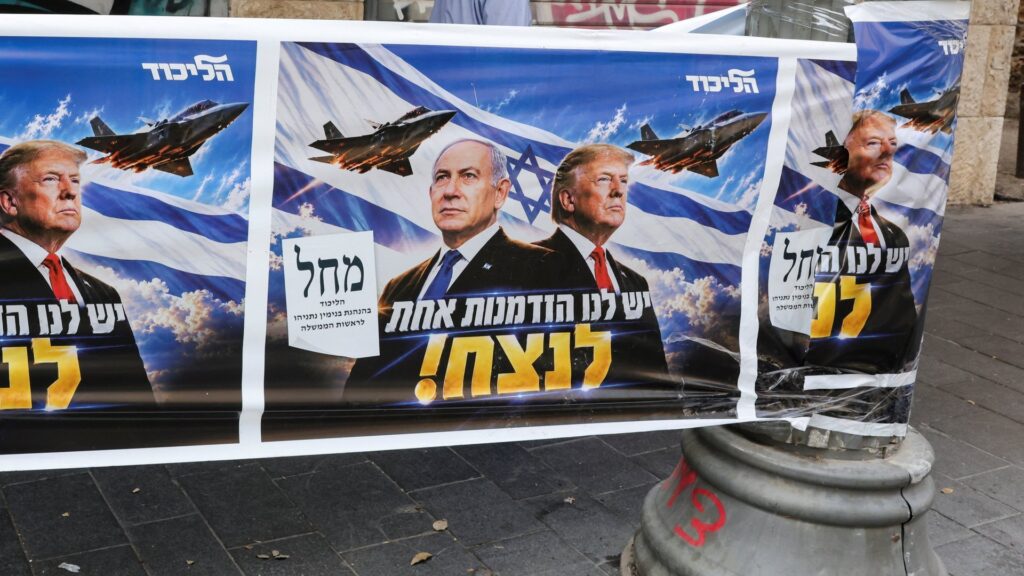
In a surprising statement, US President Donald Trump announced his intention to halt the annual $3.8 billion military aid package to Israel by the end of the year. This long-standing aid deal has been a cornerstone of US-Israel relations for decades, aimed at ensuring Israel’s security and maintaining regional stability in the Middle East.
The military aid package, which includes funding for defense systems, weapons, and intelligence sharing, has been a significant part of US foreign policy in the region. It reflects the strong strategic alliance between the two countries and the commitment to Israel’s qualitative military edge over potential adversaries.
Trump’s announcement has been met with skepticism and concern from various quarters. Supporters of the aid argue that discontinuing it could undermine Israel’s defense capabilities at a time when regional tensions remain high. Critics question the motives behind the decision, weighing political, economic, and diplomatic factors.
Analysts speculate that the move might be influenced by broader shifts in US foreign policy priorities, including a focus on reducing overseas expenditures or recalibrating alliances. There is also speculation about the potential impact on the peace process in the Middle East, as US support has historically played a role in negotiations between Israel and its neighbors.
Within the US government, reactions are mixed. Some lawmakers emphasize the importance of upholding commitments to Israel to ensure enduring security and cooperation, while others advocate for reassessment of foreign aid budgets in light of domestic challenges.
The Israeli government has yet to make an official response, but insiders suggest that it is closely monitoring developments, understanding the gravity of such a change. The potential cessation of aid could prompt Israel to seek alternative partnerships or adjust its defense spending priorities.
Internationally, the announcement has ripple effects. Allies and adversaries alike are recalibrating their strategies, aware that a shift in US policy towards Israel might alter the balance of power in the Middle East.
The question remains whether this plan will materialize or face legislative and diplomatic hurdles before implementation. The US Congress holds significant influence over foreign aid allocations and could serve as a counterbalance to the President’s proposal.
In conclusion, President Trump’s declaration to end the $3.8 billion military aid to Israel marks a critical juncture in US-Israel relations. It raises important questions about the future of security cooperation, regional diplomacy, and the strategic priorities of the United States in an increasingly complex geopolitical landscape. Observers will be watching closely as this situation develops in the coming months.