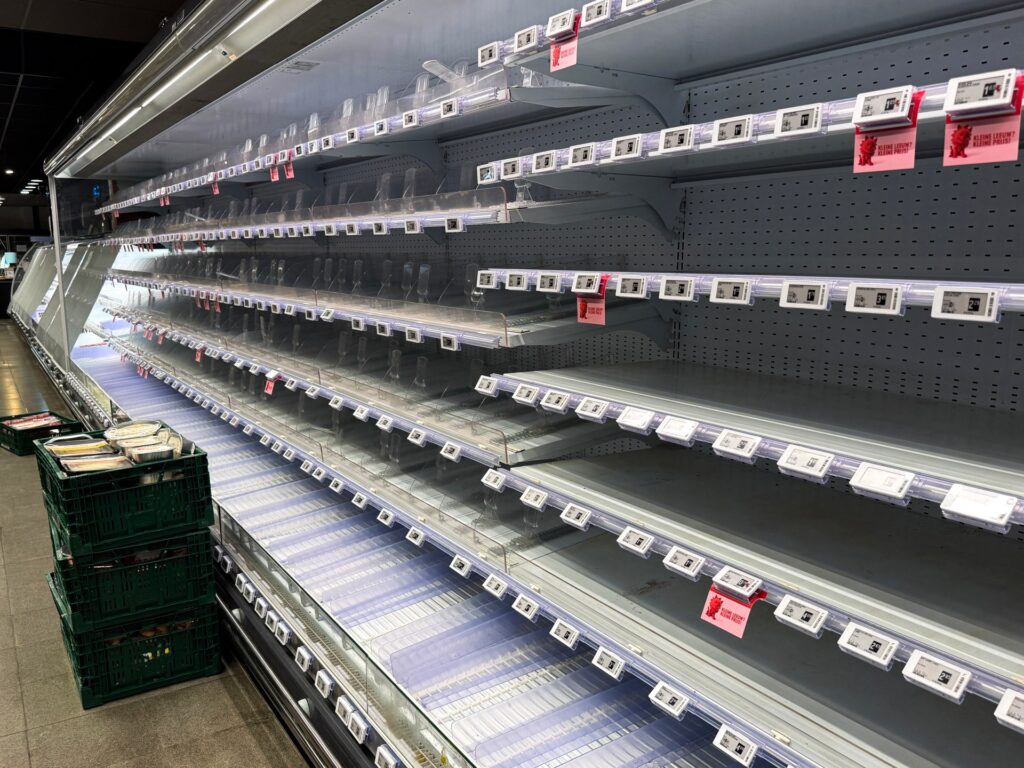
Europe is witnessing a concerning new front in cyber warfare targeting its supermarket infrastructure, specifically the cold stores and freezers. Across multiple countries, cold storage facilities within supermarkets have been hit by cyberattacks that disrupt the refrigeration systems crucial for preserving perishable goods. These attacks impact supply chains, degrade food quality, and raise alarms for consumer safety.
The distinct characteristic of this unprecedented threat lies in its focus on a vital yet typically overlooked part of retail infrastructure – the supermarket freezers. By compromising refrigeration controls, perpetrators can cause temperatures to rise, spoiling food and inflicting economic damage on retailers.
So far, authorities and cybersecurity experts have not identified a clear culprit or group behind these assaults, leaving a cloud of uncertainty over the motives and origins of the attacks. Analysts speculate that these acts could be part of a broader strategy to destabilize daily life and economic stability within Europe.
Cold stores rely on sophisticated automated systems to maintain precise temperature controls. Cyber intrusions into these systems can lead to significant breakdowns, as hackers manipulate software or hardware components managing the refrigeration cycle.
The attacks have reportedly occurred in several European countries, affecting major supermarket chains, which underscores the vulnerability of even well-established corporations to cyber threats. Retailers are scrambling to bolster their cyber defenses and ensure continuity of essential services.
Cybersecurity professionals warn that such targeted attacks could expand to other critical infrastructure sectors, signaling a dangerous evolution in cyberwarfare tactics. Unlike traditional cybercrimes centered on data theft or ransomware, these assaults disrupt the physical environment and supply chains, posing risks to public health and safety.
European governments and agencies are working to investigate the incidents, increase cyber resilience, and enhance collaboration between public and private sectors. There is a concerted effort to develop rapid response mechanisms and raise awareness about the risks facing refrigerated supply chains.
Experts argue that this form of attack represents a new kind of hybrid warfare – one that uses digital means to induce cascading effects in physical logistics and commodity preservation. As Europe grapples with this challenge, it faces the need for innovative cybersecurity strategies that factor in the convergence of IT and operational technology.
The uncertainties around the perpetrators leave room for multiple theories: state-sponsored actors targeting economic infrastructure, hacktivists aiming to disrupt consumer confidence, or cybercriminal groups experimenting with new attack vectors.
What is clear, however, is that supermarket freezers and cold stores have emerged as a frontline in Europe’s cyber defense battle. Ensuring their security is becoming essential not just for retailers and consumers but for the economic and social stability of the region.
This developing situation serves as a stark reminder that as technology integrates deeper into everyday systems, vulnerabilities multiply. Protecting critical infrastructure from digital sabotage requires vigilance, innovation, and international cooperation.
As investigations continue, Europe watches anxiously, seeking answers and affirming its commitment to safeguarding vital supply chains against the silent but chilling assault on its supermarket freezers.