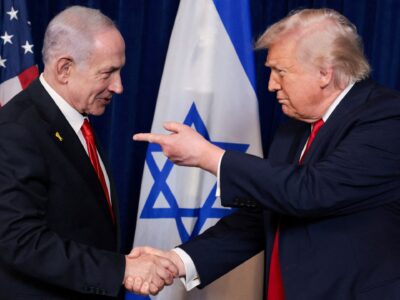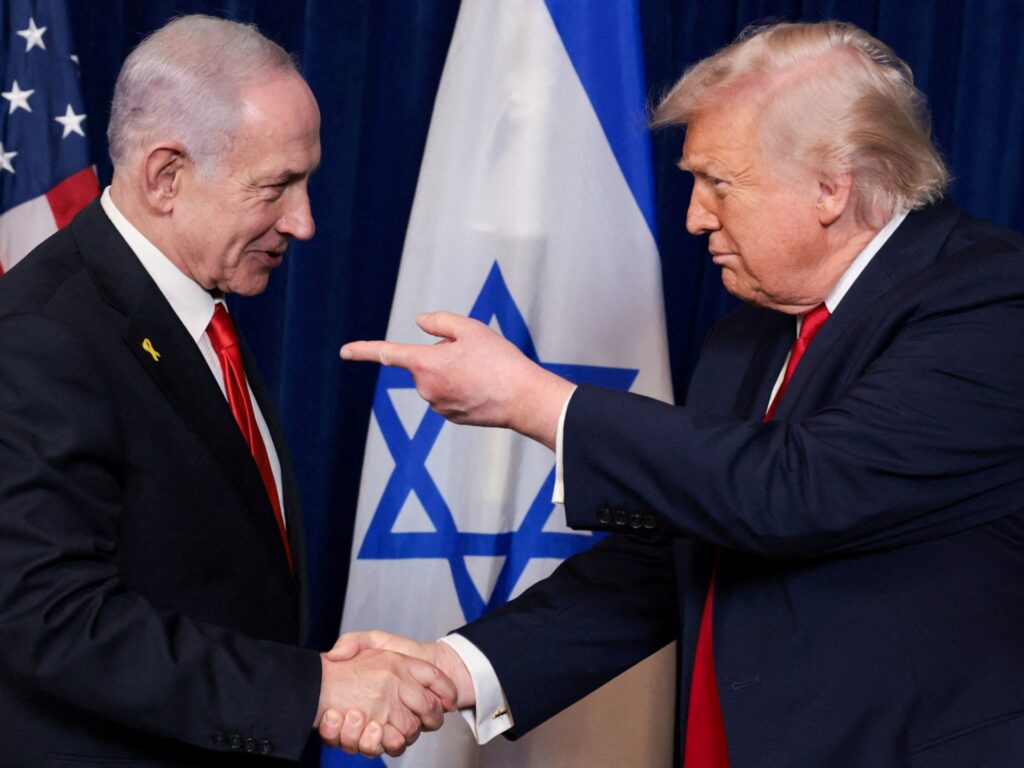
In a significant and controversial statement, former President Donald Trump declared that the United States will cease its military aid to Israel after the end of the current year. This announcement has ignited widespread political debate, as US aid to Israel has been a cornerstone of American foreign policy for decades.
Military aid to Israel has historically been substantial, with the US providing billions annually to support Israel’s defense capabilities. This aid is seen by some as essential to maintaining stability in the Middle East and securing US strategic interests. However, Trump’s assertion to stop the aid marks a dramatic shift and raises questions about future US-Israel relations.
The decision also has domestic political implications. Military aid to Israel has long been intertwined with campaign contributions from influential Israeli backers and pro-Israel political action committees in the United States. These contributions have played a role in shaping US political campaigns, particularly among candidates who support strong US-Israel ties.
Trump’s announcement has sparked a complex debate between various political factions. Supporters of Israeli aid argue that continued funding is vital for regional security and supports a key US ally. They fear that cutting aid could destabilize the region and weaken Israel’s defense against hostile neighbors.
Conversely, critics of ongoing aid highlight concerns about US priorities and spending, suggesting that funds could be better allocated toward domestic issues or addressing other international concerns. They question the unconditional nature of the aid and call for more accountability and reassessment of the US-Israel relationship.
The political ramifications extend to congressional debates and public opinion. Members of Congress from both parties have expressed a range of views, reflecting the divided stance within the US political landscape. The implications of ending aid could influence upcoming elections and campaign strategies, especially in districts sensitive to the issue.
Internationally, the announcement is expected to resonate deeply. Israel, reliant on US support for its defense, may have to reconsider its diplomatic and military strategies. Other global actors are likely to closely monitor the situation, potentially recalibrating their own foreign policies concerning the Middle East.
Experts predict that this declaration by Trump could lead to increased diplomatic efforts to either reaffirm or diverge from historically strong US-Israel ties. It remains to be seen how the current administration will respond and what the long-term impacts will be on peace and security in the region.
The debate also touches on broader questions about the role of foreign aid in US foreign policy. The balance between strategic interests, ethical considerations, and domestic influences is at the heart of this ongoing discussion.
As the year progresses, all eyes will be on US policymakers and Israel’s government. The potential cessation of US military aid marks a pivotal moment that could redefine international relations and US foreign assistance programs in the years to come.